
Spain · Aragon · Zaragoza
Zaragoza Travel Guide: El Pilar, Aljafería and the Roman City
Zaragoza's historic center contains several different cities in the same streets. Roman Caesaraugusta lies beneath today's squares, the Aljafería preserves the court culture of an Islamic taifa kingdom, La Seo carries Mudéjar craft into a Christian cathedral, and El Pilar dominates the Ebro riverfront.
A good visit separates these stories rather than treating the buildings as interchangeable stops.
One-day routeExplore five guides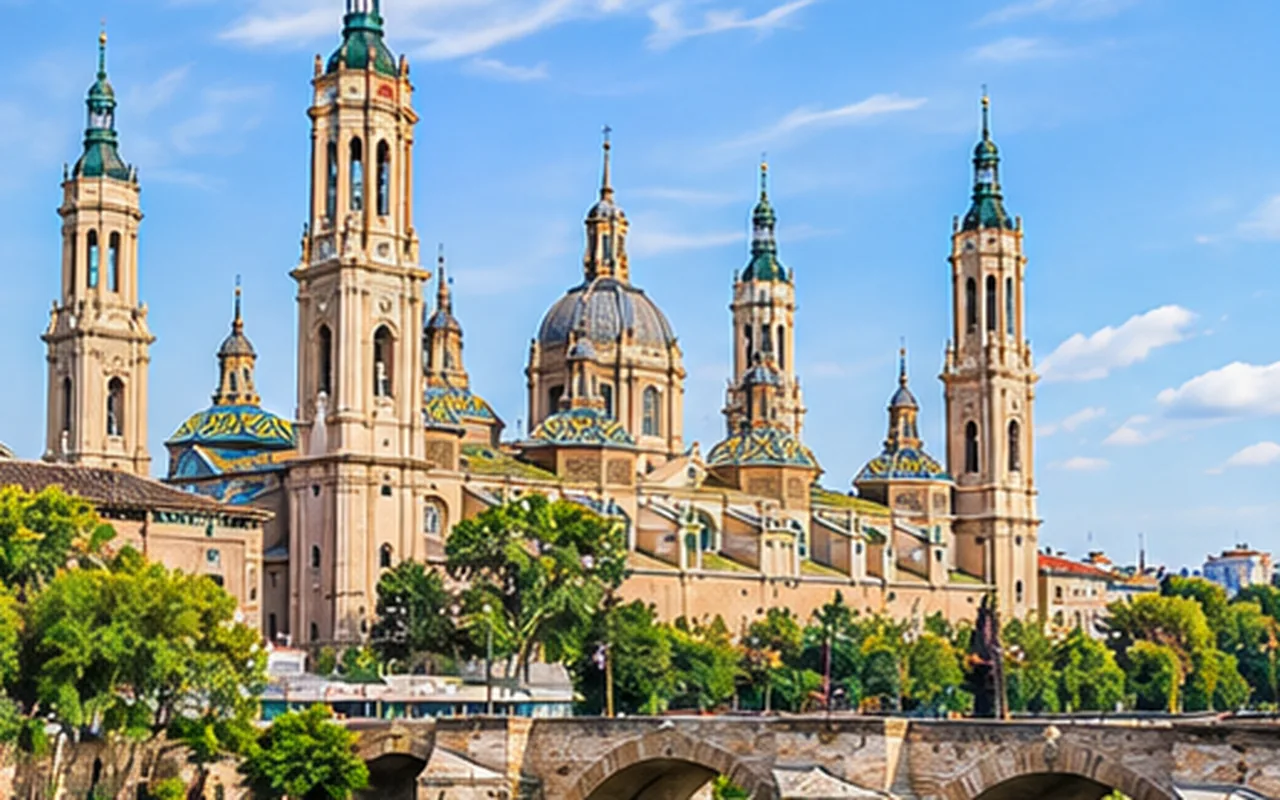
Four historical layers along the Ebro
Augustus founded the Roman settlement Caesaraugusta in the late first century BC. The Ebro was not simply a picturesque river: it provided a transport corridor through which goods and people moved between the valley and the wider Roman world. The city's surviving forum, river port, baths and theatre are now presented in four small archaeological museums. They can be visited as one coherent route rather than as scattered ruins.
In the eleventh century, Islamic Saraqusta was an important taifa court. The Aljafería preserves part of the palace architecture associated with that period. Later rulers transformed the complex, adding Christian royal and Mudéjar work; today it also houses the Cortes of Aragon. Its use as a contemporary regional parliament means it is a living public building, not a medieval site untouched by later centuries.
Near the Ebro, La Seo Cathedral occupies a site associated with the Roman forum, a Visigothic church and the city's principal mosque. Its Christian building phases encompass Romanesque, Gothic, Mudéjar and later styles. The Aragonese Mudéjar components of both La Seo and the Aljafería belong to UNESCO's serial World Heritage inscription, alongside San Pablo Church and other monuments across the region.
The huge Baroque complex of the Basilica del Pilar represents a different chapter. Pilgrimage and the cult of the Virgin of the Pillar were central to the site's identity, while Goya's frescoes make the interior important for art history as well as religious devotion.
A Zaragoza day that connects the buildings logically
Morning: the Roman forum, La Seo and El Pilar
Begin around Plaza de la Seo. The Roman forum museum beneath the square reveals how the ancient administrative center relates to the present street plan. Above it stands La Seo, whose Mudéjar exterior wall is a particularly readable example of Aragon's mixture of brick, glazed ceramic and geometric pattern.
Continue across the cathedral square towards the Basilica del Pilar. Inside, look for the relationship between the Holy Chapel and the wider Baroque interior, then the Goya frescoes. The monument is a functioning basilica: treat services and tourist access separately.
Afternoon: the Aljafería and El Tubo
Walk or take local transport to the Aljafería west of the historic center. Its eleventh-century Islamic palace spaces, later Christian royal rooms and parliamentary role require more explanation than a short exterior stop can provide. Check the ticket schedule before you start the day's other indoor visits.
Return to the old center after sightseeing for El Tubo, the narrow network of tapas streets near Plaza de España. It is a practical place to eat but also a part of Zaragoza's architectural fabric: Roman fragments, later palaces and Mudéjar details coexist with working bars.
If time is tight, prioritize the Basilica and either La Seo or the Aljafería. A four-museum Roman circuit is a separate half-day interest, and trying to complete it as well as all three major monuments makes the schedule unnecessarily mechanical.
Five different reasons to explore Zaragoza
Choose by history, architecture or food
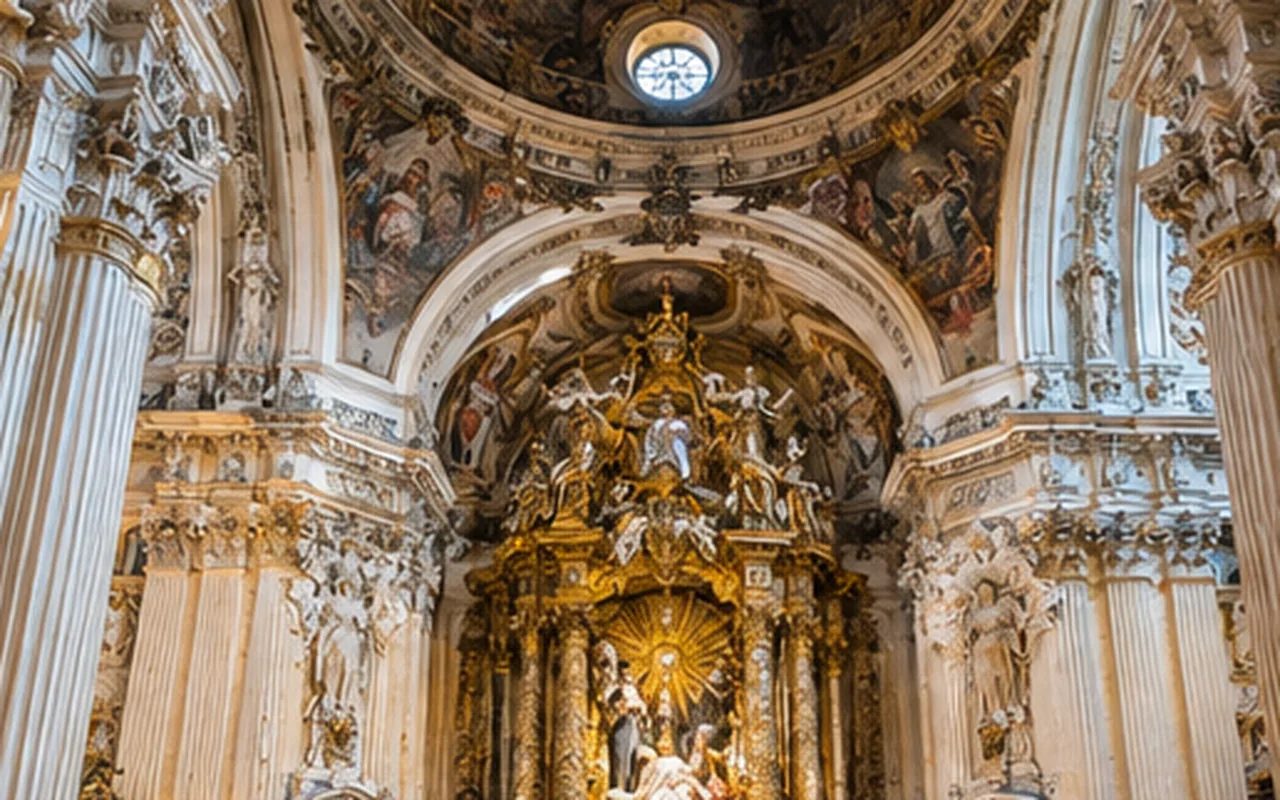 Basilica del PilarGoya's vaults, the Holy Chapel and views of the Ebro
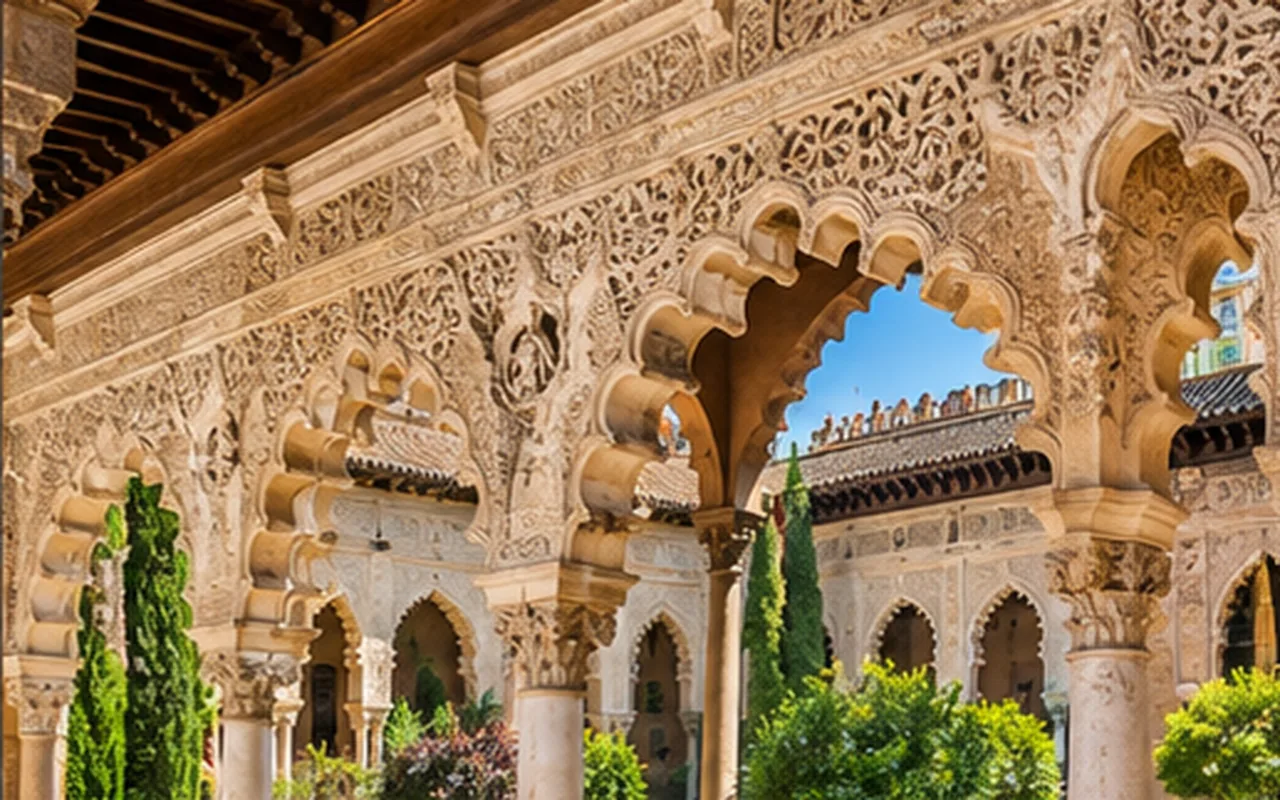 Aljafería PalaceA Taifa palace, medieval royal chambers and modern parliament
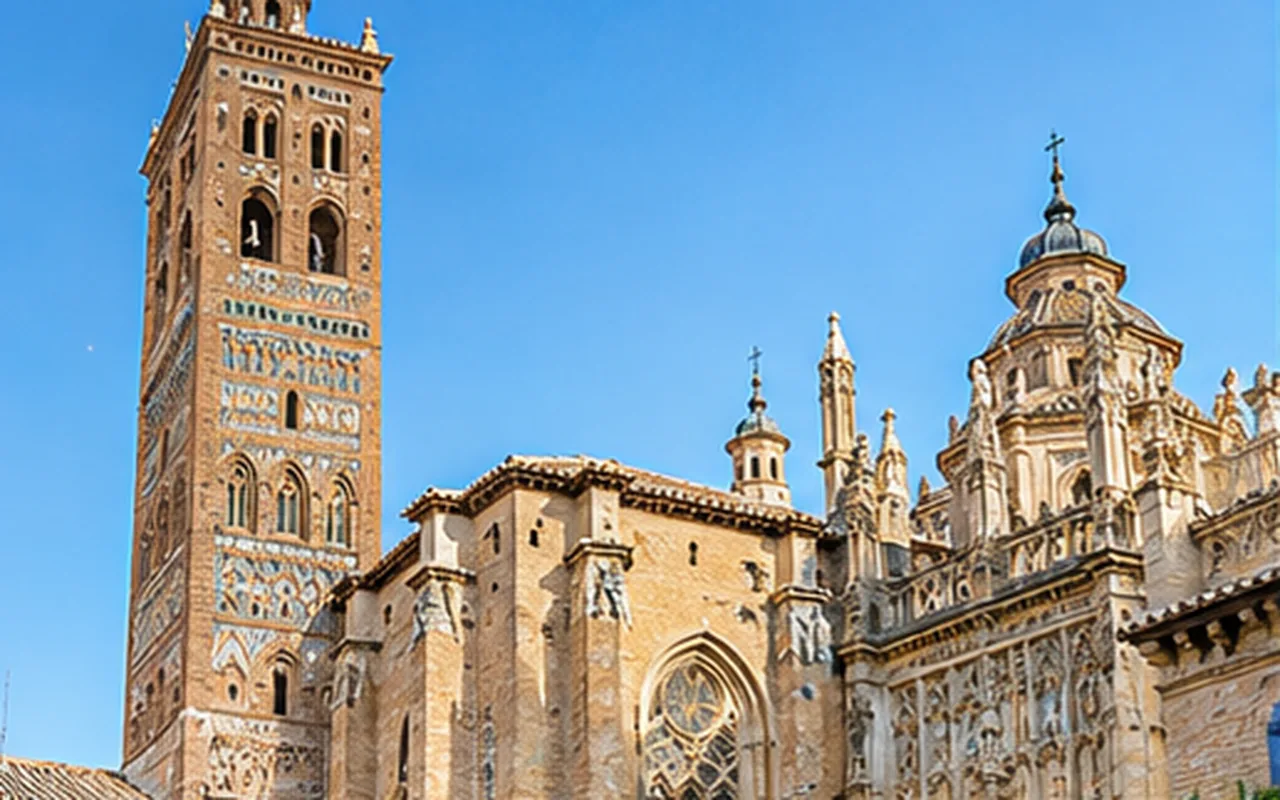 La Seo CathedralRoman forum, former mosque, Mudéjar walls and tapestries
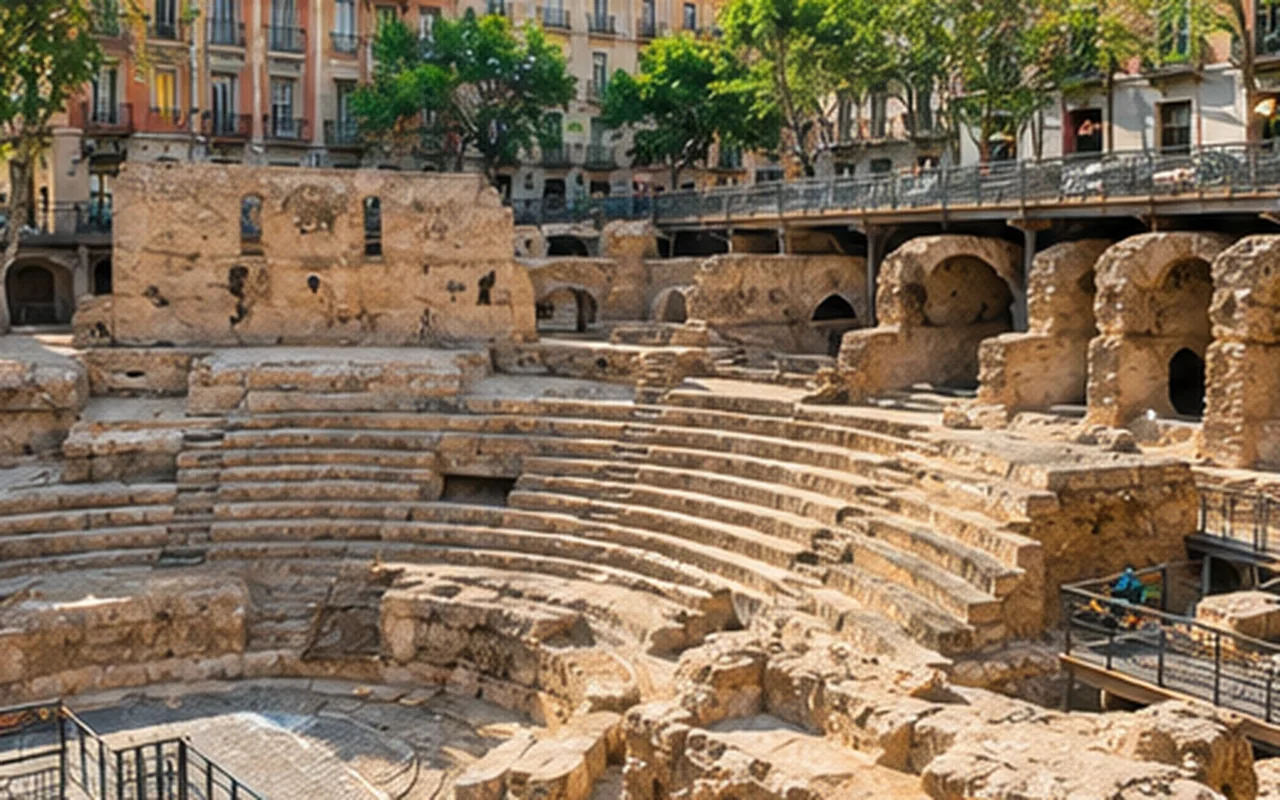 Roman CaesaraugustaFour archaeological museums and the €7 city ticket
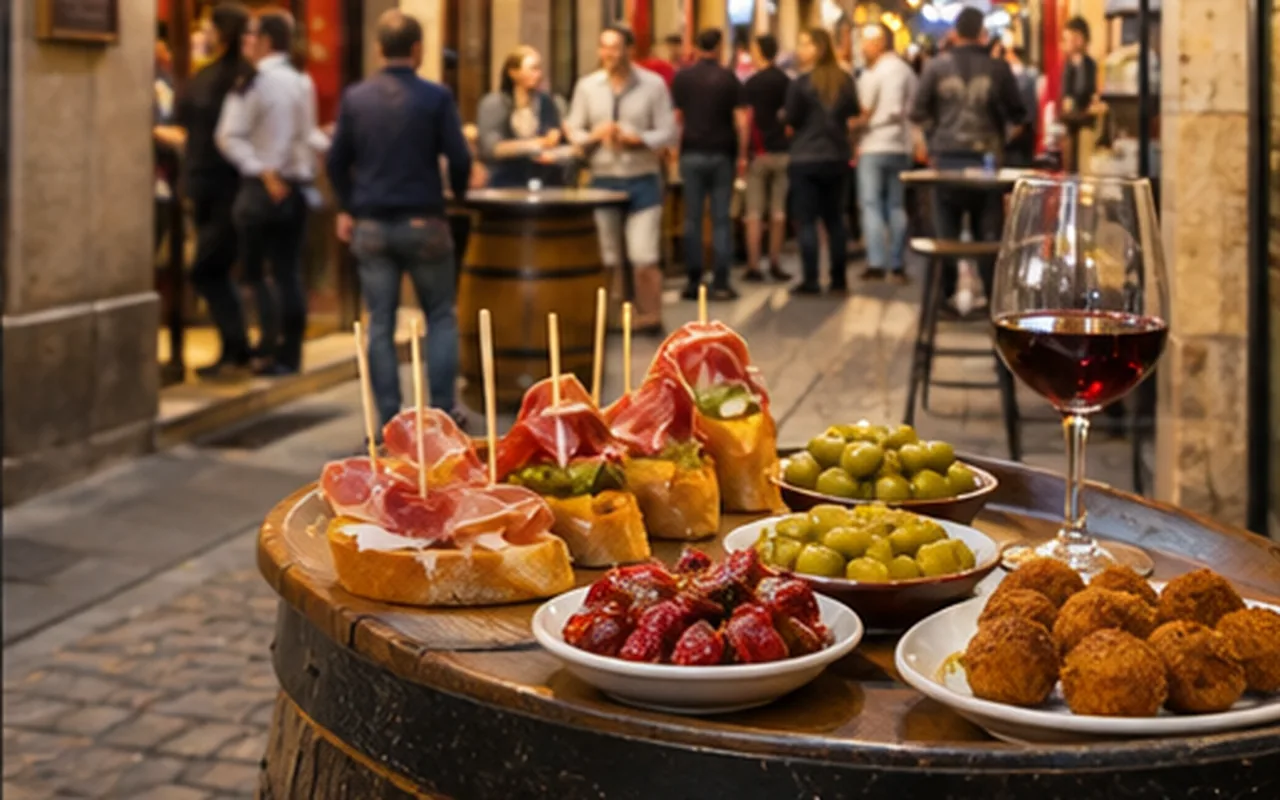 El Tubo TapasA food neighborhood with historic fabric hidden behind the bars
The images illustrate the subjects but are AI-generated rather than verified photographs of specific interiors.
Tickets and separate visitor experiences
The Roman museums' combined route includes the Forum, River Port, Public Baths and Theatre. The extra €2 on the municipal five-museum pass adds the Pablo Gargallo Museum; that museum may have temporary closure restrictions, so check whether it is operating before treating the €9 pass as the better choice.
At the Aljafería, special itineraries can include restricted spaces such as the former Islamic baths or higher tower levels. They are not the same as the standard palace circuit and may involve narrow stairs or other access restrictions.
Goya: do not rely on an old museum listing
Goya worked in Zaragoza early in his career. The Basilica del Pilar preserves the 1772 Adoration of the Name of God and the later Regina Martyrum, both important ways to see his monumental work in the city itself.
The official tourism portal currently flags both the Museo Goya-Ibercaja and the Museo de Zaragoza as temporarily closed. A separate Goya exhibition has been held in the Aljafería, with dates extending into 2026. If Goya is your main reason for visiting, check the latest exhibition and museum status rather than trusting a static list of “open Goya museums.” Read the Basilica guide.
Useful Spanish for Zaragoza's visitor choices
¿Se puede visitar la torre? — Can the tower be visited? ¿Hay una entrada conjunta? — Is there a combined ticket? At El Tubo, una tapa is a small dish, while una ración is normally a larger serving.
For directions and ticket questions, the interrogative pronouns lesson helps distinguish qué, cuál and dónde.
Practice: ask whether the museum is open.
¿Está abierto el museo?
Book the experience, not an unclear attraction name
Zaragoza's commercial guided tours span city architecture, palace history, Roman museums and tapas. The value of a guide differs by subject. The Aljafería benefits from architectural interpretation, and a tapas walk needs a clear list of included tastings. A generic walking tour may only pass the exterior of La Seo or the basilica.
Compare Zaragoza guided toursAffiliate disclosure: MundoDELE may earn a commission. Check the actual tour itinerary, guide language and admissions before payment.
Available GetYourGuide experiences
Verified products: a Spanish-language Aljafería palace tour, an evening tapas walk, and a historic-center orientation tour.
Official sources and current notices
- Zaragoza Tourism — one-day route and major monuments
- UNESCO — Mudéjar Architecture of Aragon
- Municipal Roman museums — opening times and €7 route
- Turismo de Aragón — Aljafería admissions and history
- City tourism — Goya works and temporary museum closures
Research check: November 2026. Opening hours, special exhibitions and ticket rules can change.