
Balearic Islands guide
Balearic Islands Guide – Mallorca, Menorca, Ibiza and Formentera
The Balearic Islands share the same Mediterranean light, but each island has its own rhythm. Mallorca is varied and scenic, Menorca is calm and generous, Ibiza changes between energy and silence, and Formentera keeps travel simple: sea, sand, wind and space.
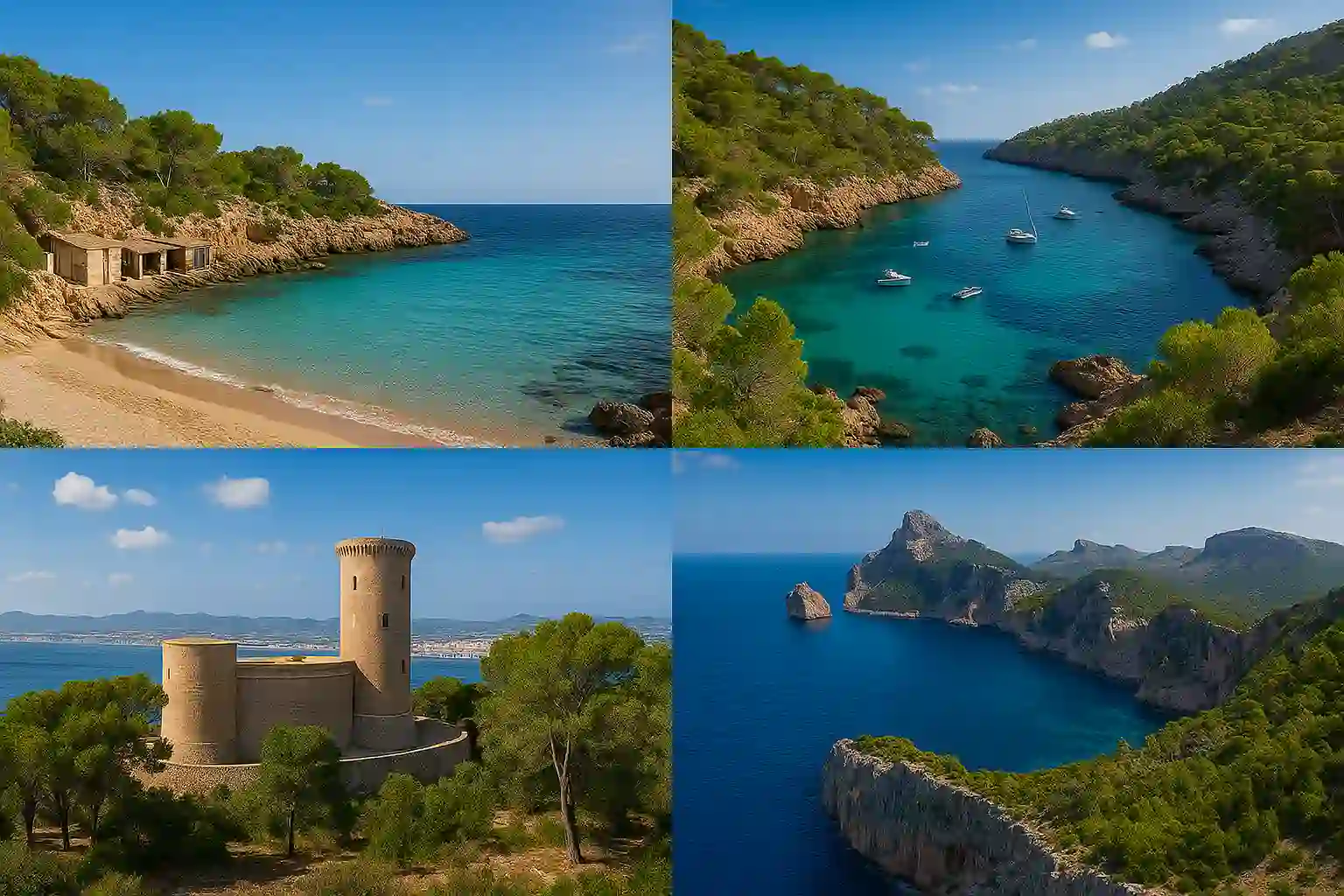
Island chooser
Which Balearic island fits your trip?
The simple decision
Choose Mallorca for variety, mountains and easy logistics. Choose Menorca for quiet beaches, walking routes and slower days. Choose Ibiza for old-town charm, sunsets, coves and nightlife if you want it. Choose Formentera for the most reduced version of island travel: bikes, beaches and silence.
Island guides
The four Balearic islands at a glance
Mountains, bays and Palma
Mallorca feels complete: Tramuntana villages, wide bays, markets, caves, coastal roads and Palma’s historic centre.
- Best for first-time visitors.
- Strongest mix of nature and city life.
- Good base for families and road trips.
Quiet paths and old light
Menorca moves slower. Its coves, ports, stone walls and walking paths create a calmer island rhythm.
- Best for quiet beaches and walking.
- Strong for families seeking calm.
- Excellent outside peak summer.
Old town, coves and sunsets
Ibiza has more than one face: Dalt Vila, quiet north-coast coves, inland farms, beach days and strong sunset culture.
- Best for flexible short breaks.
- Strong for sunsets and boat trips.
- Quiet if you choose the right base.
Stillness, bikes and sea
Formentera is small, flat and easy to understand. A ferry from Ibiza brings you into a slower world of beaches and dunes.
- Best for simple beach days.
- Easy by bicycle or scooter.
- Works well as an Ibiza add-on.
Mallorca planning
Mallorca – mountains, caves, Palma and coast
Mallorca is the most varied Balearic island. The Serra de Tramuntana brings villages, viewpoints and olive groves; Palma adds history, cafés and the cathedral; the coast gives you wide bays, boat trips and family activities.
Menorca planning
Menorca – calm coves, old ports and walking routes
Menorca is smaller, quieter and more generous with silence. Mahón and Ciutadella carry traces of past empires, while the island’s coves and the Camí de Cavalls make it one of the best Balearic choices for walking and swimming.
Ibiza and Formentera
Ibiza and Formentera – energy, old stone, soft water and silence
Ibiza is often reduced to nightlife, but the island also has old-town streets, quiet north-coast coves, countryside, sunsets and small villages. Formentera adds the simplest Balearic contrast: white sand, shallow water, bicycles and a slower day.
The Balearics are easy to visit and hard to forget. Their rhythm comes from light, water, stone, wind and the way every island slows the day differently. — MundoDELE
Season planning
When to go to the Balearic Islands
Clear water and flowers
A strong period for walking, road trips, beaches and calmer villages. The sea becomes more inviting and the roads are easier.
Heat and full beaches
Best for classic summer energy, long days and beach focus. Plan early starts, shade, water and reservations.
Balanced and warm
Often the best mix of warm sea, softer light and calmer travel rhythm. Good for couples, walkers and slower trips.
Trails and local life
Many beach clubs and seasonal hotels close, but walking, cafés, markets and local life remain valuable.
Best for walking
Spring is excellent for Tramuntana routes, Menorca paths and quiet village days before the heat arrives.
Best for slow travel
Warm sea, less pressure and better light make autumn one of the strongest periods for the Balearics.
Island hopping
Moving between the islands
Ferries connect the main islands daily, and short flights link Palma with Ibiza and Menorca. Most travellers choose one main base and add a second island for contrast. This keeps the trip realistic and avoids losing too many hours in transfers.
Small notes
Small things that make the Balearics easier
Start slowly
In cafés, mornings often begin with ensaimada, toast with tomato, olive oil or a simple coffee near the sea.
Match transport to island
Cars help in Mallorca and Menorca. Scooters or bicycles fit Ibiza and Formentera better for many routes.
Leave empty hours
The best Balearic days often include fewer stops, longer swims, slow lunches and time for evening light.
Island activities
Find practical Balearic activities for your trip
Use guided tours, boat trips and activity tickets when they reduce logistics: sea caves, catamaran days, old-town walks, island routes or sunset experiences. Always check date, meeting point, cancellation conditions and transport before booking.
Travel Spanish
Useful Spanish words for the Balearics
Continue planning
More MundoDELE guides for Spain, culture and travel Spanish
FAQ
Frequently asked questions about the Balearic Islands
Which Balearic island is best for a first trip?
Mallorca is usually the easiest first choice because it offers mountains, beaches, villages, Palma, family activities, transport options and a strong mix of nature and culture.
Which island is quietest?
Menorca and Formentera keep the calmest rhythm. Even in summer, mornings and evenings can remain peaceful if you avoid the busiest beaches and times of day.
Can you visit several islands in one trip?
Yes. Ferries link the major islands, and short flights connect Palma with Ibiza and Menorca. A week is enough for two islands if you travel lightly and avoid overplanning.
Do you need a car?
In Mallorca and Menorca a car helps, especially for villages, viewpoints and remote beaches. In Ibiza and Formentera, scooters, taxis, buses or bicycles can be enough for many routes.
Is winter travel possible?
Yes. Winter is calm and useful for hiking, local life and quiet towns. Some hotels, restaurants and beach clubs close, but the islands still work well for slower travel.
What should I pack?
Pack light clothes, sunscreen, closed shoes for walks, water protection, a hat and something warm for ferry wind or cooler evenings outside peak summer.
About MundoDELE
Travel deeper with Spanish, culture and real context
MundoDELE connects Spanish learning with travel and cultural understanding. Use the Balearic Islands as real context for language, place names, food, transport, conversations and local rhythm.