Zaragoza · Cathedral of the Savior
La Seo Cathedral Zaragoza: Mudéjar Architecture and Tapestries
La Seo is Zaragoza's cathedral of historical layers. Its foundations occupy a site previously associated with the Roman forum and the city's main mosque; its exterior Mudéjar brickwork and interior Flemish tapestries tell very different stories about patrons and craftsmanship.
Visitor informationGuides and tickets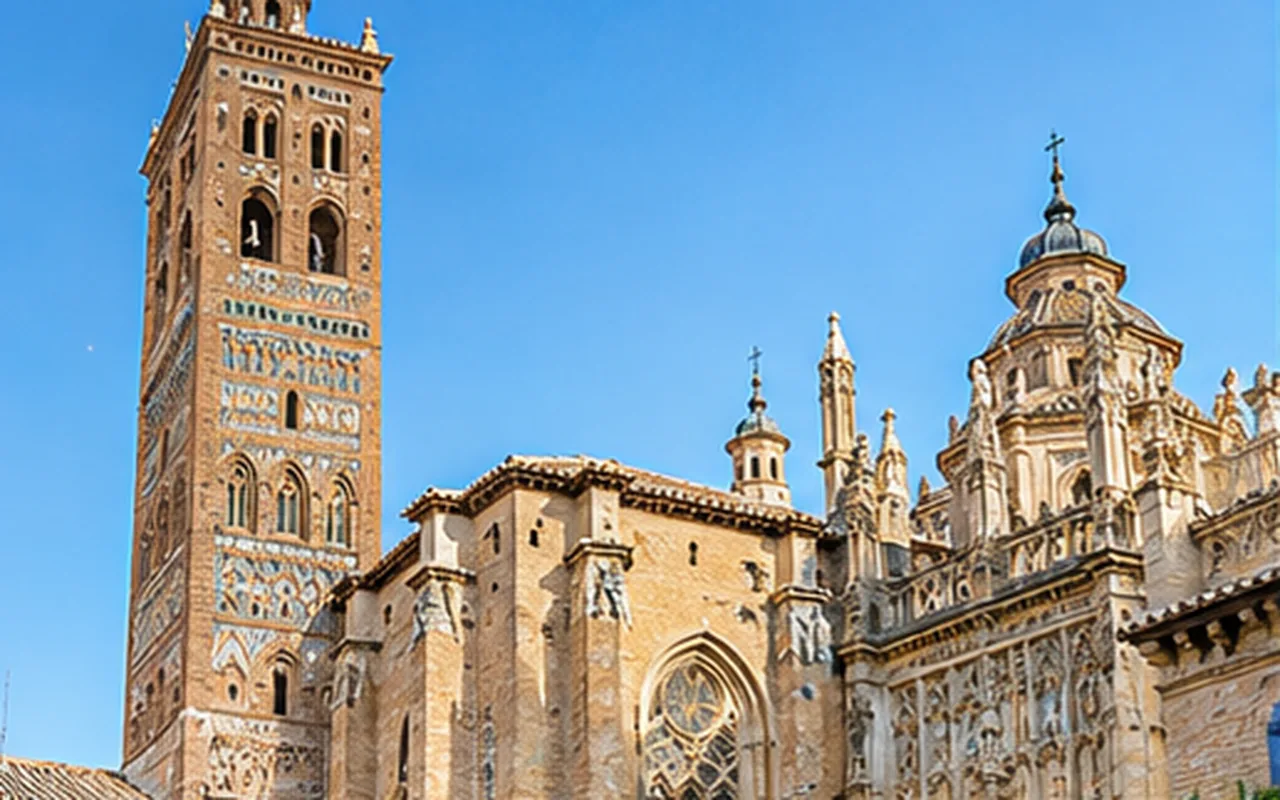
The history behind the visit
The Cathedral of the Savior, commonly called La Seo, began taking its Christian form in the late twelfth century. The site had already served as a Roman civic and religious center, then as a Visigothic church and the principal mosque of Islamic Saraqusta. That continuity of location makes the building unusually instructive for anyone trying to understand Zaragoza's successive cities.
Much of the present fabric dates from later alterations, including Gothic and Mudéjar work and Baroque additions. You are not looking at an untouched medieval church, but at a structure that absorbed new materials and aesthetic priorities over centuries.
What to know before visiting
Facts checked November 2026; official opening and special-event schedules may change.
Start with the brick and ceramic of the Parroquieta
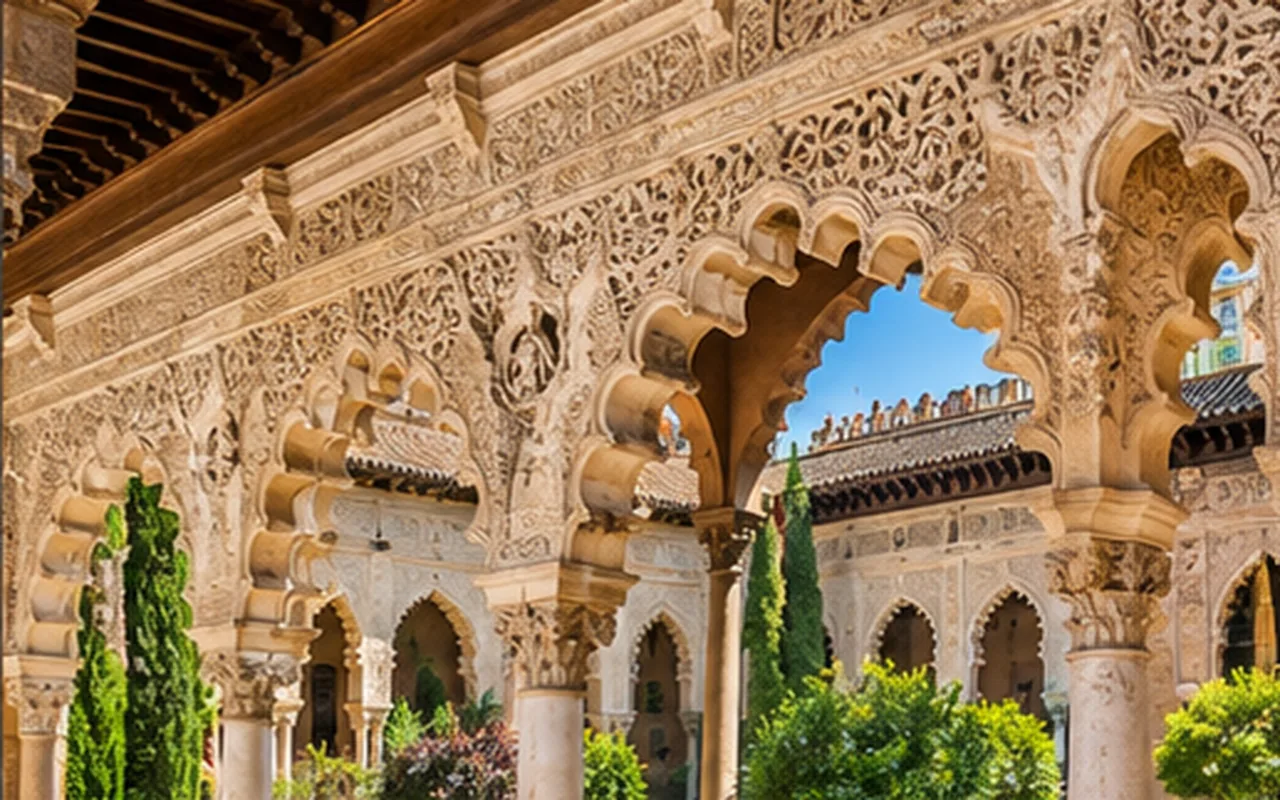
Outside, the wall of the Chapel of San Miguel, usually referred to as the Parroquieta, displays intricate geometric patterns in brick and glazed tile. The building technique is associated with Aragonese Mudéjar, an architectural tradition shaped by Islamic decorative practices within Christian patronage.
The UNESCO inscription specifically identifies La Seo's apse, Parroquieta and crossing tower among the Zaragoza components of Mudéjar Architecture of Aragon. This is precise: the entire building is not uniformly Mudéjar, and its different façade and interior campaigns belong to other styles.
Gothic altar sculpture and later additions
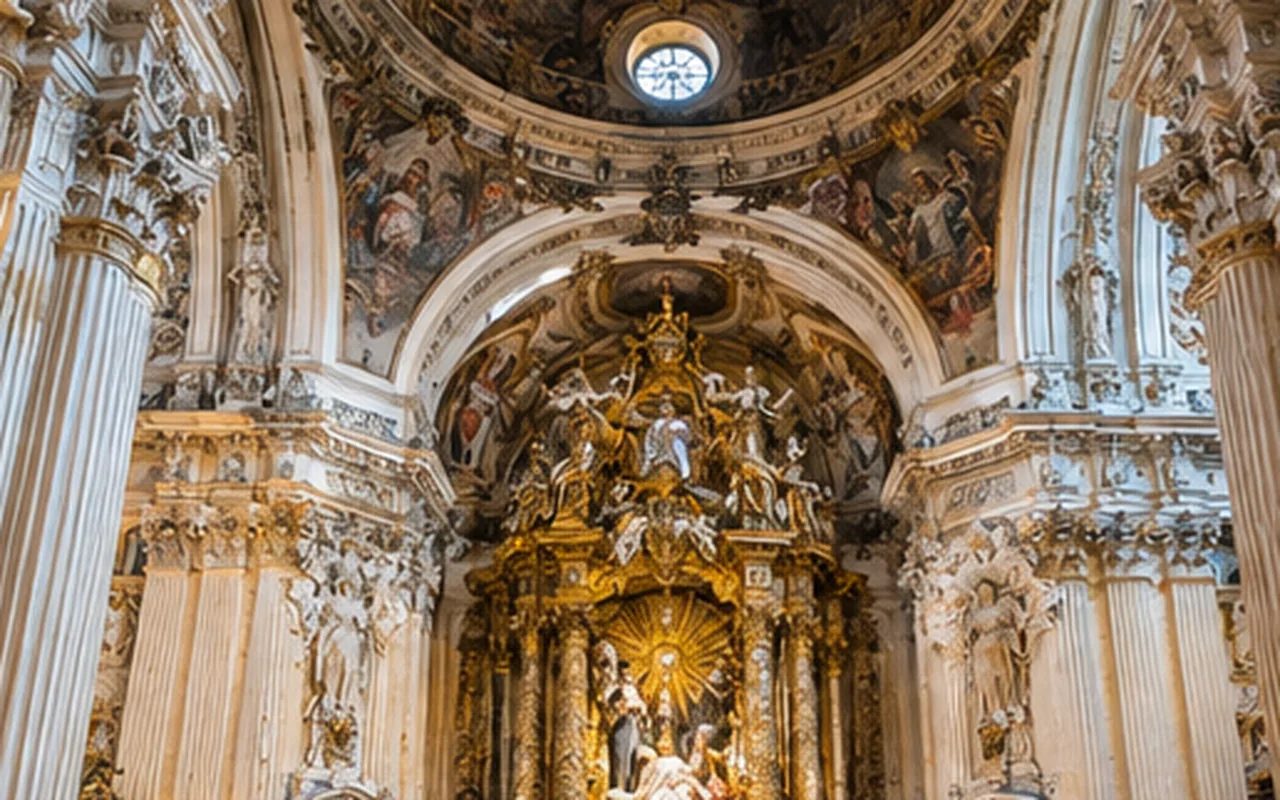
Inside, the main altarpiece is a major fifteenth-century Gothic commission made in polychrome alabaster. The city tourism office names Pere Johan and Ans Piet d'Anso among the artists involved under the patronage of Archbishop Dalmau de Mur.
Compare the decorative language of the altarpiece with the exterior wall and the later Baroque tower. The contrasts are evidence of a changing cathedral institution, with each phase paying for a new architectural expression rather than abandoning the older structure.
Why the tapestry museum deserves its own time
The Cathedral's tapestry museum preserves an important collection of Flemish textiles from the fifteenth to seventeenth centuries, drawn from the cathedral chapter's holdings. These were not simply soft furnishings: expensive woven images were markers of patronage, wealth and ritual display.
The City of Zaragoza museum listing gives seasonal hours, but the cathedral may apply its own liturgical and guided-visit arrangements. Confirm that the museum rooms are included in the admission option you plan to purchase, rather than assuming that any La Seo exterior guided tour opens them.
Roman Zaragoza is immediately underneath
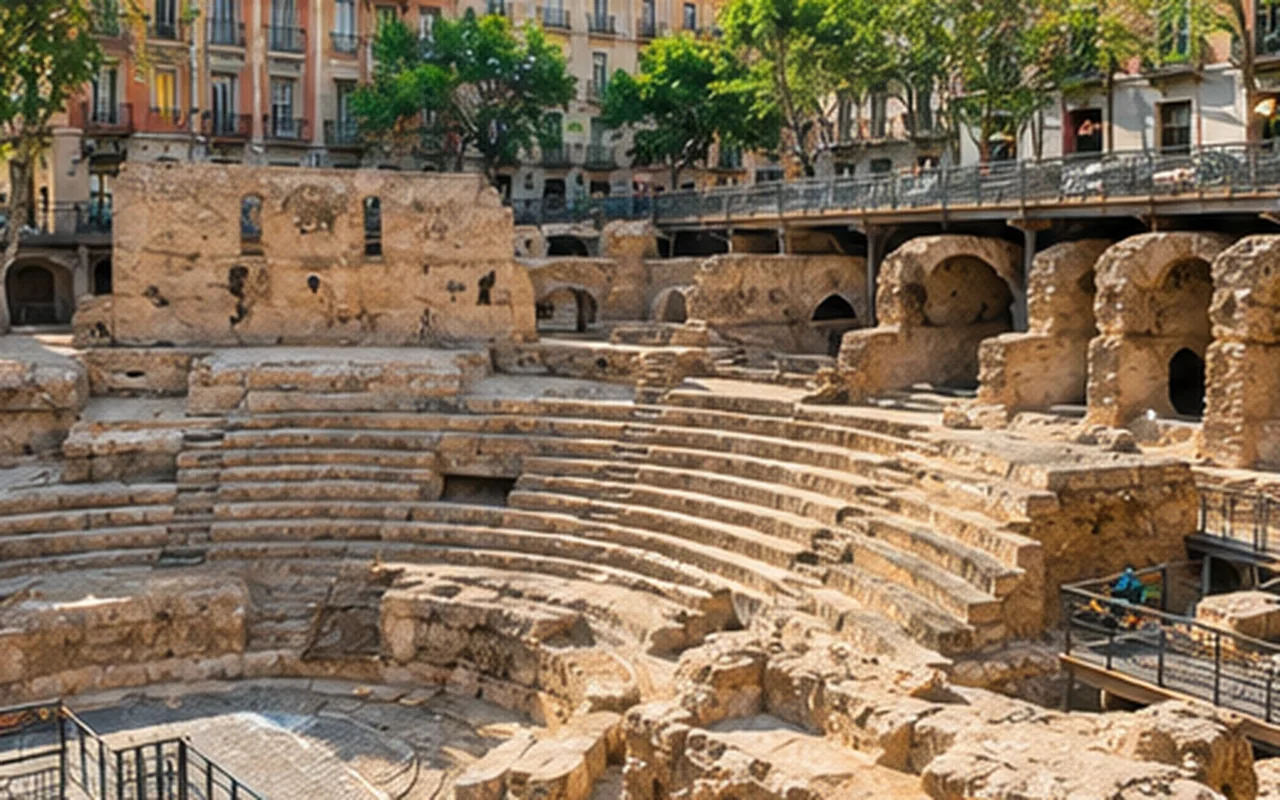
Before or after the cathedral, enter the nearby Roman Forum Museum beneath Plaza de la Seo. It allows visitors to compare the ancient civic center with the sequence of religious buildings above ground. The short distance between them makes the visit a rare chance to read a city vertically as well as chronologically.
Another nearby landmark, the Basilica del Pilar, serves a different artistic and religious role. A single visit to Zaragoza becomes more meaningful when the two buildings are compared rather than treated as duplicate cathedral stops.
Practical access and guiding choices
La Seo lies on Plaza de la Seo, adjacent to the monumental Plaza del Pilar area. The outside Mudéjar wall is a public-street sight; interior cathedral and tapestry-museum visits operate on published hours and separate ticket conditions. The museum's city listing describes Tuesday–Sunday periods with a midday break outside the summer season, and Monday closure; check the current ecclesiastical visitor schedule for the exact day.
A specialist guide should be able to explain Mudéjar building techniques and La Seo's different historical phases. A general downtown tour may show only the façade. Ask exactly which interior and tapestry rooms are included.
Architecture in Spanish
El muro means wall, el azulejo is a decorative tile, el retablo means altarpiece and el tapiz is a tapestry. Ask ¿Está incluido el museo de tapices? before buying a combined visit.
See MundoDELE's Spanish grammar section for question and agreement practice.
Guided tour or independent visit?
There are different ways to see La Seo: a cathedral cultural visit, a tapestry museum visit and walking tours focused on its exterior Mudéjar features. Confirm exact interior access; do not assume a city walking-tour title includes either admission.
View La Seo guided visitAffiliate link. MundoDELE may earn a commission. Confirm inclusions, language and availability at the operator before payment.
Available GetYourGuide experiences
Guided La Seo Cathedral visit: check the precise areas and tapestry museum inclusion.