
MundoDele Spanish Grammar
Spanish Interrogative Pronouns: Qué, Quién, Cuál and Cuánto
Learn how Spanish asks about unknown people, things, choices and quantities. This guide explains the interrogative pronouns qué, quién, cuál and cuánto, together with related question words such as dónde, cuándo, cómo and por qué.
Definition
What are Spanish interrogative pronouns?
Interrogative pronouns replace unknown information in a question. They ask for a person, thing, identity, choice or quantity.
¿Qué quieres?
What do you want?
¿Quién llama?
Who is calling?
¿Cuál prefieres?
Which one do you prefer?
Qué, quién and cuál can function as interrogative pronouns. Dónde, cuándo and cómo are interrogative adverbs. They are included because learners use all of these forms together when building Spanish questions.
Question-word table
Spanish interrogative words at a glance
| Form | Main meaning | Spanish example | Expected answer | Grammar role |
|---|---|---|---|---|
| qué | what | ¿Qué quieres? | A thing, action or explanation | Pronoun or determiner |
| quién / quiénes | who | ¿Quién viene? | One or several people | Pronoun |
| cuál / cuáles | which one or which ones | ¿Cuál prefieres? | An identity or selection | Pronoun |
| cuánto | how much | ¿Cuánto cuesta? | An amount or price | Pronoun or adverb |
| cuánta / cuántos / cuántas | how much or how many | ¿Cuántas necesitas? | A quantity | Pronoun or determiner |
| dónde | where | ¿Dónde vives? | A place | Interrogative adverb |
| cuándo | when | ¿Cuándo empieza? | A time or date | Interrogative adverb |
| cómo | how | ¿Cómo estás? | A manner, state or method | Interrogative adverb |
| por qué | why | ¿Por qué estudias español? | A reason | Interrogative expression |
Things, actions and meanings
Qué
Qué normally means “what”. It asks for a thing, action, meaning, type, definition or explanation.
| Spanish question | English meaning | Information requested |
|---|---|---|
| ¿Qué quieres? | What do you want? | A thing or action |
| ¿Qué haces? | What are you doing? | An activity |
| ¿Qué significa esta palabra? | What does this word mean? | A meaning or definition |
| ¿Qué pasó? | What happened? | An event |
| ¿Qué libro prefieres? | Which book do you prefer? | A noun-based choice |
¿Qué quieres? uses qué as a pronoun. ¿Qué libro quieres? uses it before the noun libro.
People
Quién and quiénes
Quién asks about one person. Quiénes asks about several people.
| Form | Use | Spanish example | English meaning |
|---|---|---|---|
| quién | One person | ¿Quién llama? | Who is calling? |
| quién | Identity | ¿Quién es tu profesor? | Who is your teacher? |
| quiénes | Several people | ¿Quiénes vienen? | Who is coming? |
| quiénes | Group identity | ¿Quiénes son ellos? | Who are they? |
Quién after a preposition
Prepositions appear directly before quién or quiénes.
¿Con quién?
¿Con quién hablas?
¿Para quién?
¿Para quién es el regalo?
¿De quién?
¿De quién es este libro?
Definition and selection
Qué vs cuál
Qué commonly asks for a definition, category, description or thing. Cuál commonly asks for an identity or selection from possible answers.
| Spanish question | English meaning | Why this form? |
|---|---|---|
| ¿Qué es esto? | What is this? | Asks for a definition or identification. |
| ¿Qué estudias? | What do you study? | Asks for a subject or activity. |
| ¿Qué libro prefieres? | Which book do you prefer? | Qué appears before a noun. |
| ¿Cuál prefieres? | Which one do you prefer? | The possible options are understood. |
| ¿Cuál es tu nombre? | What is your name? | Asks for one identity from possible names. |
| ¿Cuáles son los tuyos? | Which ones are yours? | Asks for a plural selection. |
Amount and number
Cuánto, cuánta, cuántos and cuántas
Cuánto asks about an amount, price or number. When it refers to a stated or understood noun, it can agree in gender and number.
| Form | Agreement | Spanish example | English meaning |
|---|---|---|---|
| cuánto | Amount or masculine singular | ¿Cuánto cuesta? | How much does it cost? |
| cuánta | Feminine singular | ¿Cuánta agua necesitas? | How much water do you need? |
| cuántos | Masculine plural | ¿Cuántos libros tienes? | How many books do you have? |
| cuántas | Feminine plural | ¿Cuántas clases tienes? | How many classes do you have? |
| cuántas | Feminine plural noun understood | ¿Cuántas necesitas? | How many do you need? |
Related question words
Dónde, cuándo and cómo
Dónde, cuándo and cómo do not replace a person or thing. They ask about place, time and manner.
Dónde
¿Dónde vives?
Where do you live?
Cuándo
¿Cuándo empieza la clase?
When does the class start?
Cómo
¿Cómo estás?
How are you?
| Expression | Question type | Spanish example | English meaning |
|---|---|---|---|
| dónde | Location | ¿Dónde estás? | Where are you? |
| adónde / a dónde | Destination | ¿Adónde vas? | Where are you going? |
| de dónde | Origin | ¿De dónde eres? | Where are you from? |
Reason and explanation
Por qué, porque, porqué and por que
These four forms sound similar but have different spelling and grammatical functions.
| Form | Function | Spanish example | English meaning |
|---|---|---|---|
| por qué | Question | ¿Por qué estudias español? | Why do you study Spanish? |
| porque | Answer or explanation | Porque me gusta. | Because I like it. |
| el porqué | Noun meaning “the reason” | No entiendo el porqué. | I do not understand the reason. |
| por que | Uncommon combination of preposition and conjunction | Luchamos por que haya igualdad. | We fight so that there is equality. |
Direct and embedded questions
Interrogative accents in direct and indirect questions
Direct questions use question marks. Indirect questions are embedded inside another sentence. The interrogative word keeps its written accent in both structures.
| Direct question | Indirect question | English meaning |
|---|---|---|
| ¿Qué quieres? | No sé qué quieres. | I do not know what you want. |
| ¿Quién llama? | Quiero saber quién llama. | I want to know who is calling. |
| ¿Cuál prefieres? | Dime cuál prefieres. | Tell me which one you prefer. |
| ¿Dónde vive? | No sé dónde vive. | I do not know where he or she lives. |
| ¿Por qué viene? | No entiendo por qué viene. | I do not understand why he or she is coming. |
No sé dónde vive has no question marks, but dónde still asks for unknown information and therefore keeps the accent.
Interrogative vs relative forms
Qué vs que, quién vs quien and dónde vs donde
Interrogative and exclamatory words carry accents. Relative forms normally appear without accents and connect one part of a sentence to another.
| Interrogative form | Relative form | Difference |
|---|---|---|
| ¿Qué lees? | El libro que leo. | Qué asks; que connects. |
| ¿Quién viene? | La persona con quien hablé. | Quién asks; quien refers to a known person. |
| ¿Cuál prefieres? | El tema del cual hablamos. | Cuál asks; cual appears in a relative phrase. |
| ¿Dónde vives? | La ciudad donde vivo. | Dónde asks; donde connects a location. |
| No sé cuándo llega. | El día cuando llegó. | The accented form introduces an indirect question. |
Continue with: Spanish Relative Pronouns .
Grammar function
Interrogative pronouns vs interrogative determiners
An interrogative pronoun stands alone and replaces the information being requested. An interrogative determiner appears with a noun.
| Pronoun use | With a noun | Difference |
|---|---|---|
| ¿Qué quieres? | ¿Qué libro quieres? | Qué stands alone or introduces a noun. |
| ¿Cuál prefieres? | ¿Qué curso prefieres? | Standard learner Spanish normally uses qué before a noun. |
| ¿Cuántos necesitas? | ¿Cuántos libros necesitas? | The noun is understood in the pronoun structure. |
| ¿Cuántas vienen? | ¿Cuántas personas vienen? | Cuántas agrees with the hidden or stated noun. |
Study noun-based question forms on the Spanish Interrogative Determiners page.
Question structure
Word order with Spanish question words
A question word normally appears near the beginning of a direct question. The subject may follow the verb or be omitted when the verb ending already identifies it.
| Spanish question | Structure | English meaning |
|---|---|---|
| ¿Qué estudias? | Question word + verb | What do you study? |
| ¿Dónde vive tu hermano? | Question word + verb + subject | Where does your brother live? |
| ¿Cuándo empieza la clase? | Question word + verb + subject | When does the class start? |
| ¿Quién viene mañana? | Question pronoun as subject + verb | Who is coming tomorrow? |
| ¿Por qué quieres aprender español? | Question expression + conjugated verb + infinitive | Why do you want to learn Spanish? |
Continue with: Spanish Questions and Word Order .
Mini practice
Practice Spanish interrogative pronouns
Complete each exercise before opening the answer.
Exercise 1: choose the question word
- ¿___ quieres? — what
- ¿___ llama? — who
- ¿___ prefieres? — which one
- ¿___ cuesta? — how much
Show answers
1. ¿Qué quieres?
2. ¿Quién llama?
3. ¿Cuál prefieres?
4. ¿Cuánto cuesta?
Exercise 2: choose qué or cuál
- ¿___ es esto?
- ¿___ libro prefieres?
- ¿___ prefieres?
- ¿___ es tu dirección?
Show answers
1. ¿Qué es esto?
2. ¿Qué libro prefieres?
3. ¿Cuál prefieres?
4. ¿Cuál es tu dirección?
Exercise 3: add the correct accent
- No sé que quiere.
- Dime donde vive.
- Quiero saber quien llama.
- No entiendo por que viene.
Show answers
1. No sé qué quiere.
2. Dime dónde vive.
3. Quiero saber quién llama.
4. No entiendo por qué viene.
Connected lessons
Continue with these Spanish pronoun pages
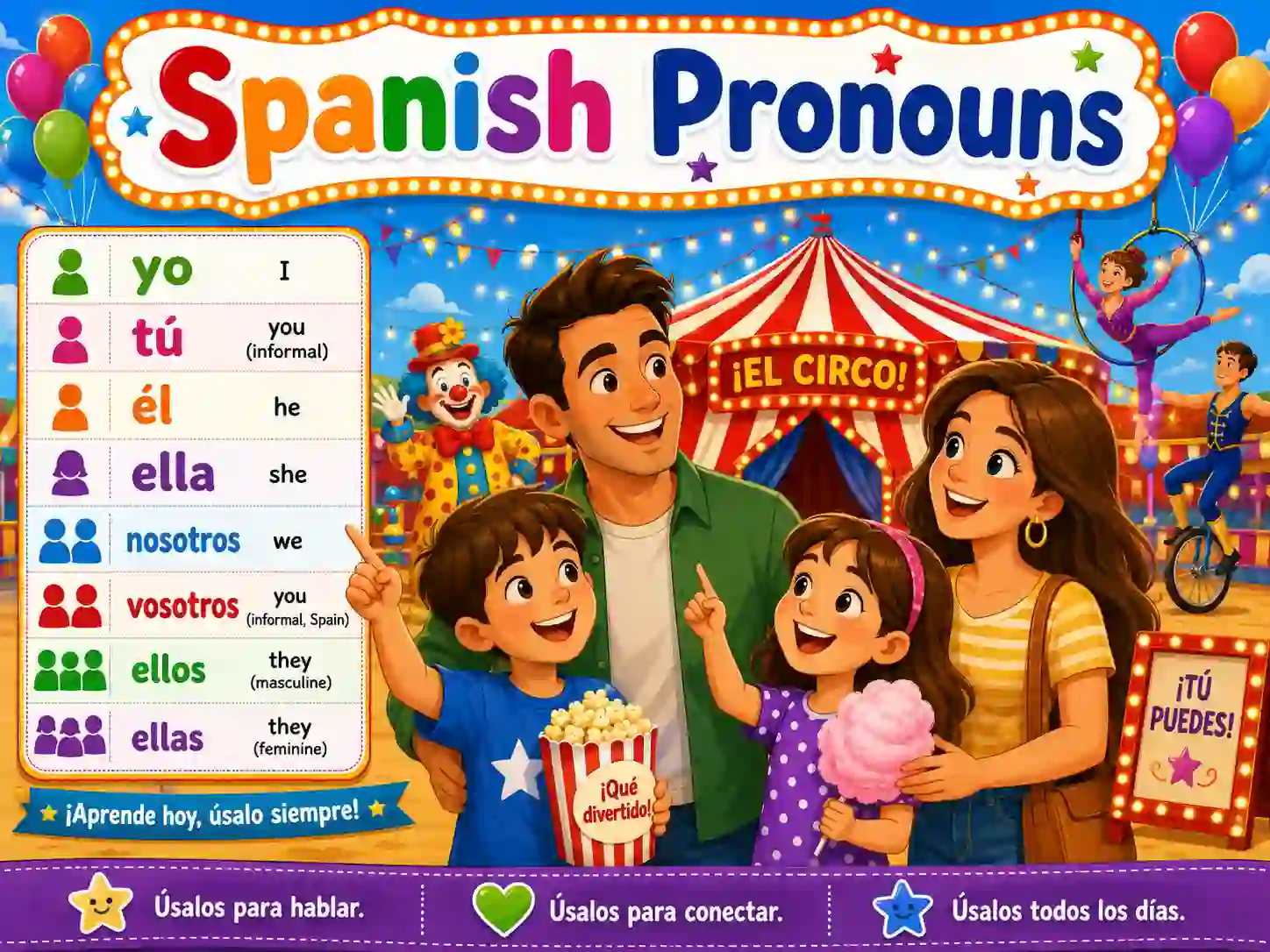
Spanish Pronouns
Return to the overview of personal, object, reflexive, possessive and interrogative pronouns.
Open overview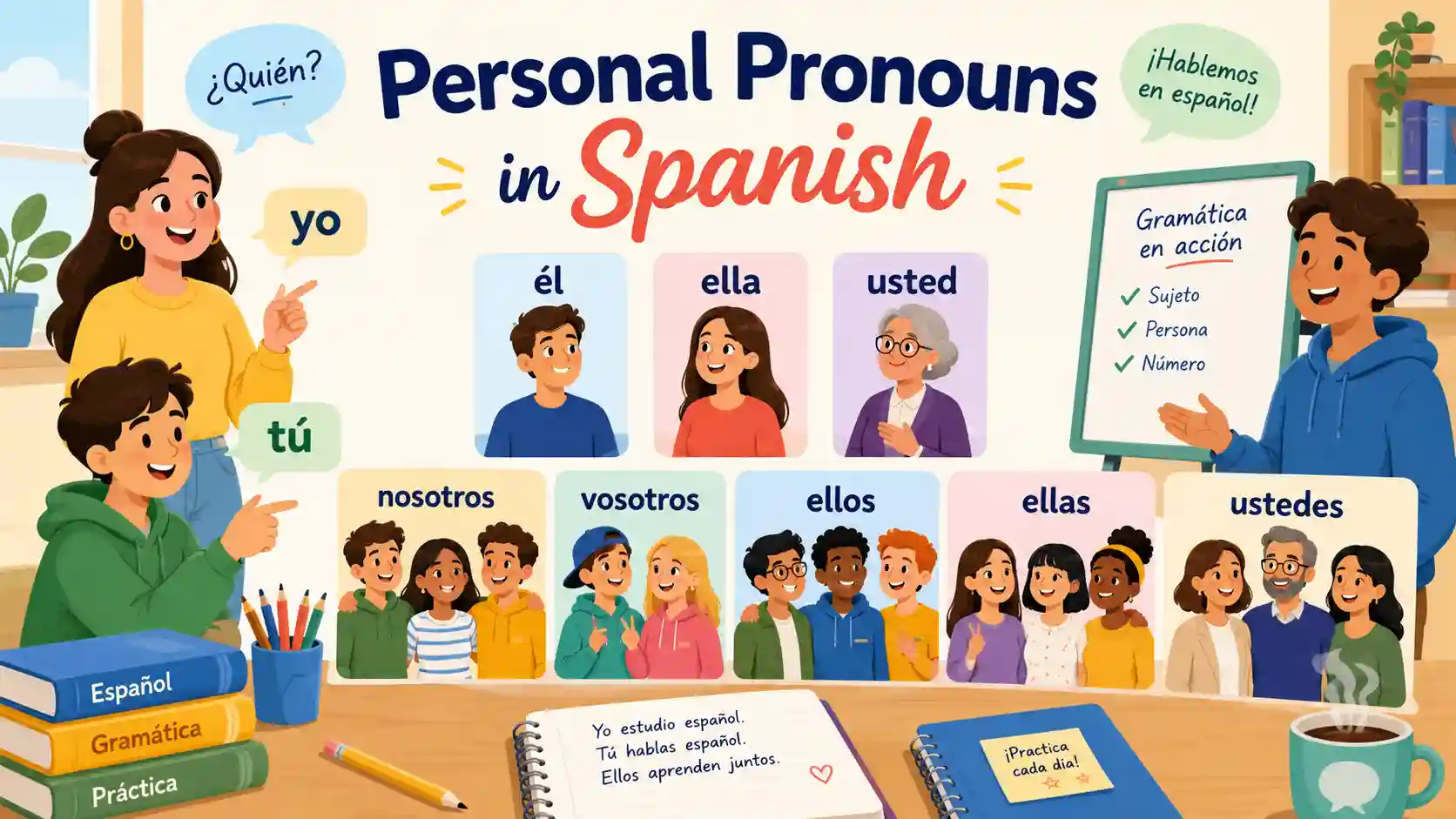
Spanish Personal Pronouns
Compare interrogative quién with subject, object, reflexive and prepositional pronouns.
Open lesson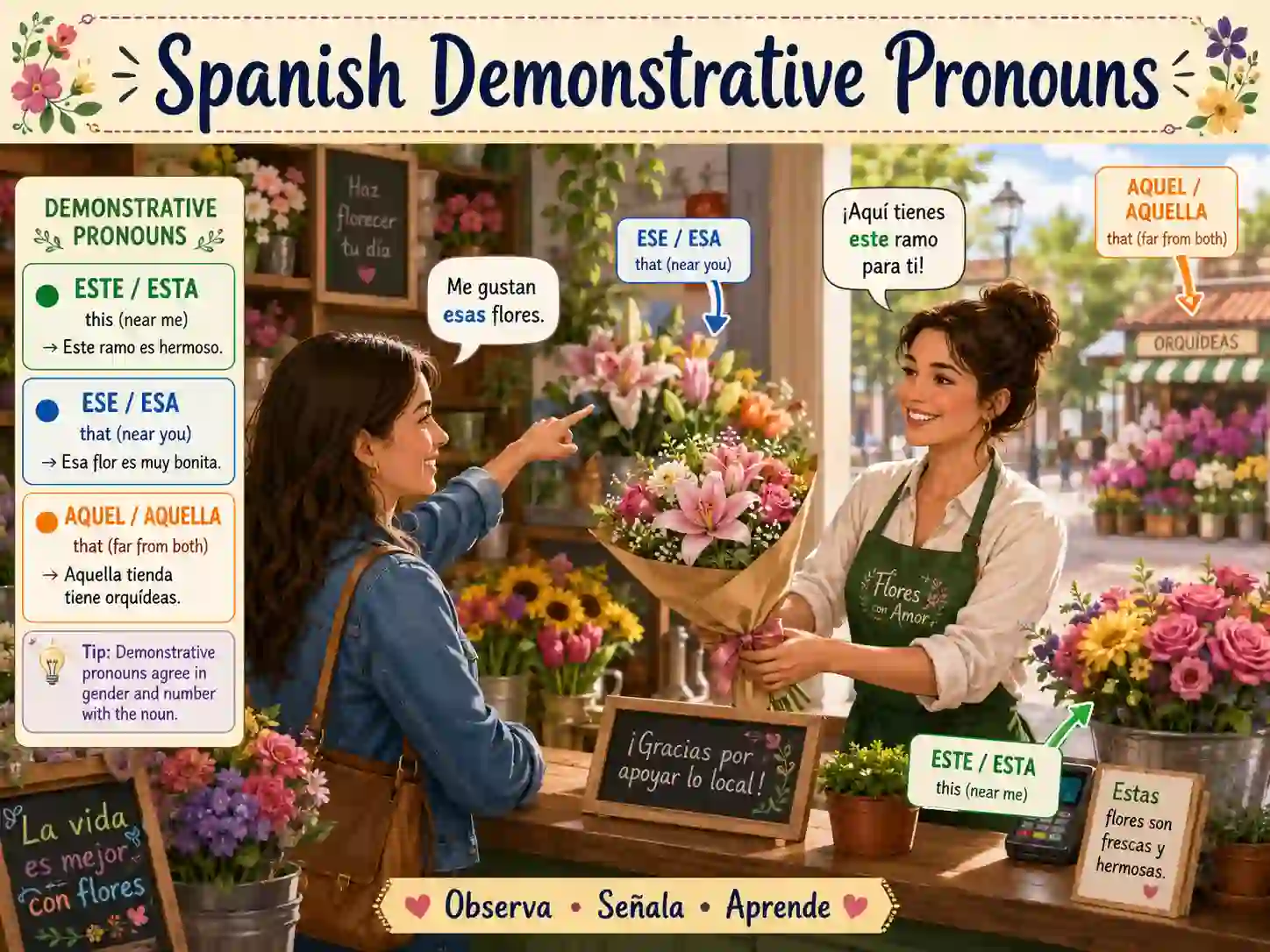
Spanish Demonstrative Pronouns
Compare ¿Qué es esto? with este, ese, aquel, esto and eso.
Open lesson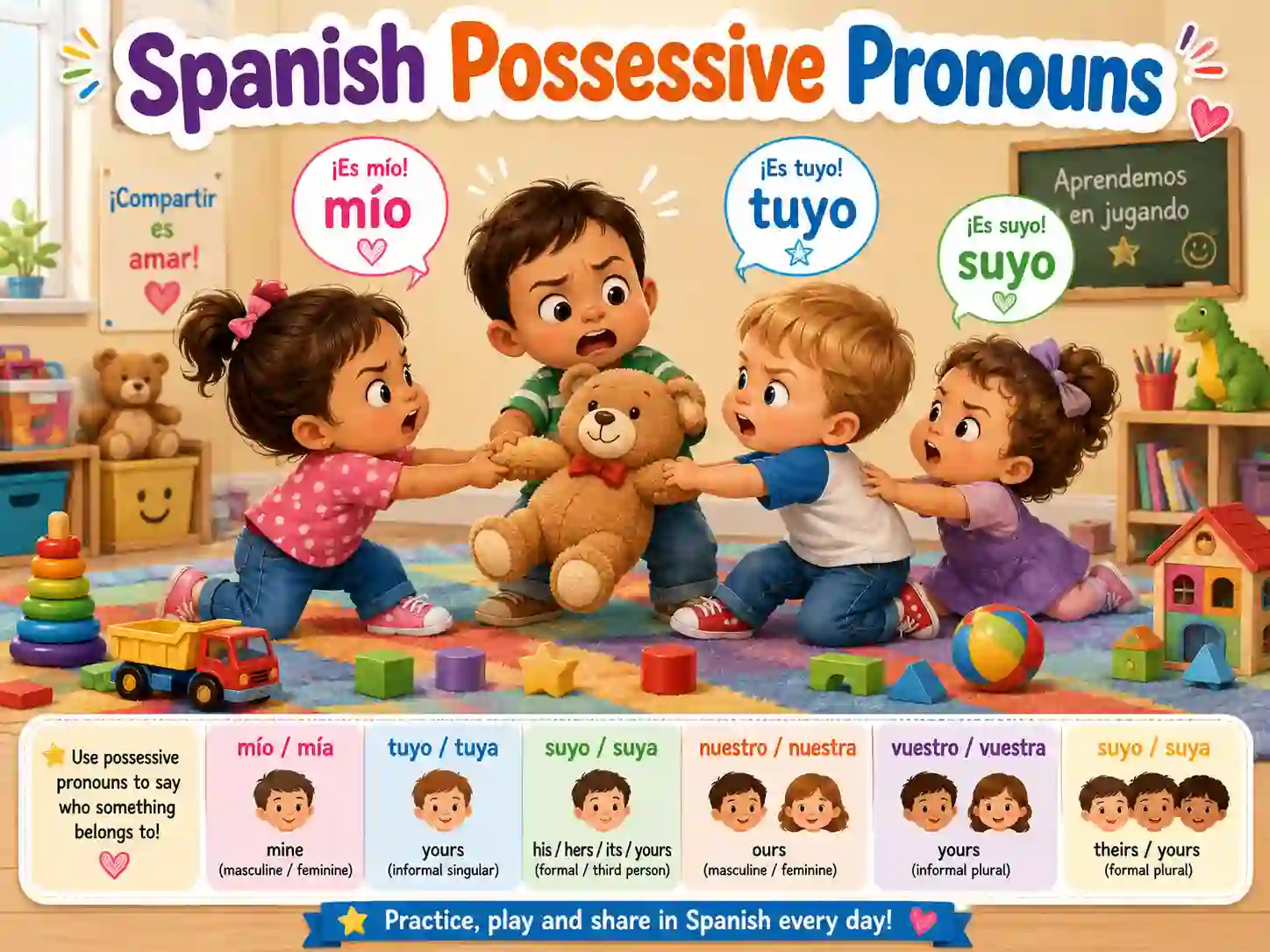
Spanish Possessive Pronouns
Practise questions such as ¿De quién es?, ¿Cuál es el tuyo? and ¿Cuáles son los nuestros?.
Open lesson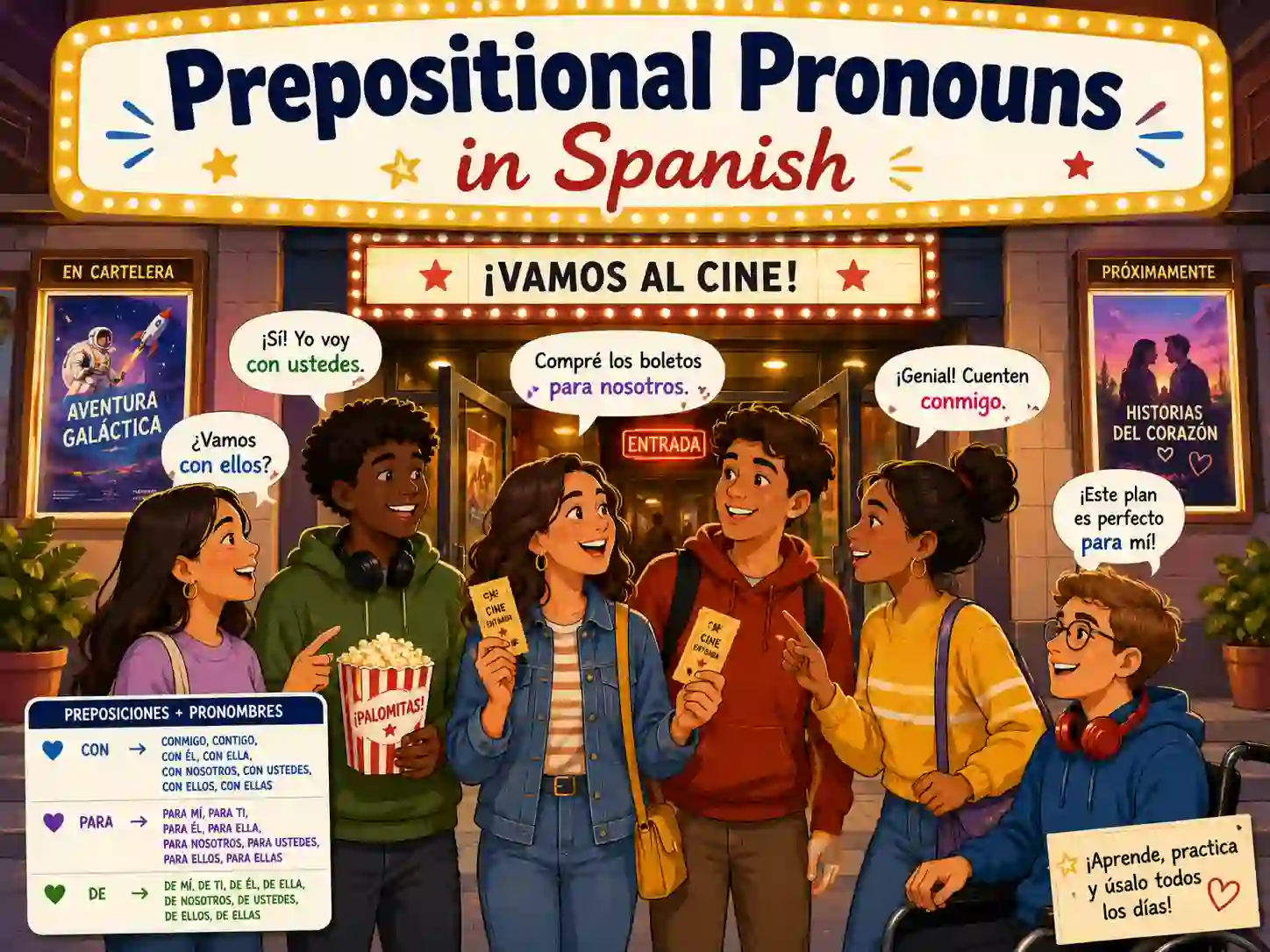
Spanish Prepositional Pronouns
Learn expressions such as ¿con quién?, ¿para quién? and ¿de quién?.
Open lesson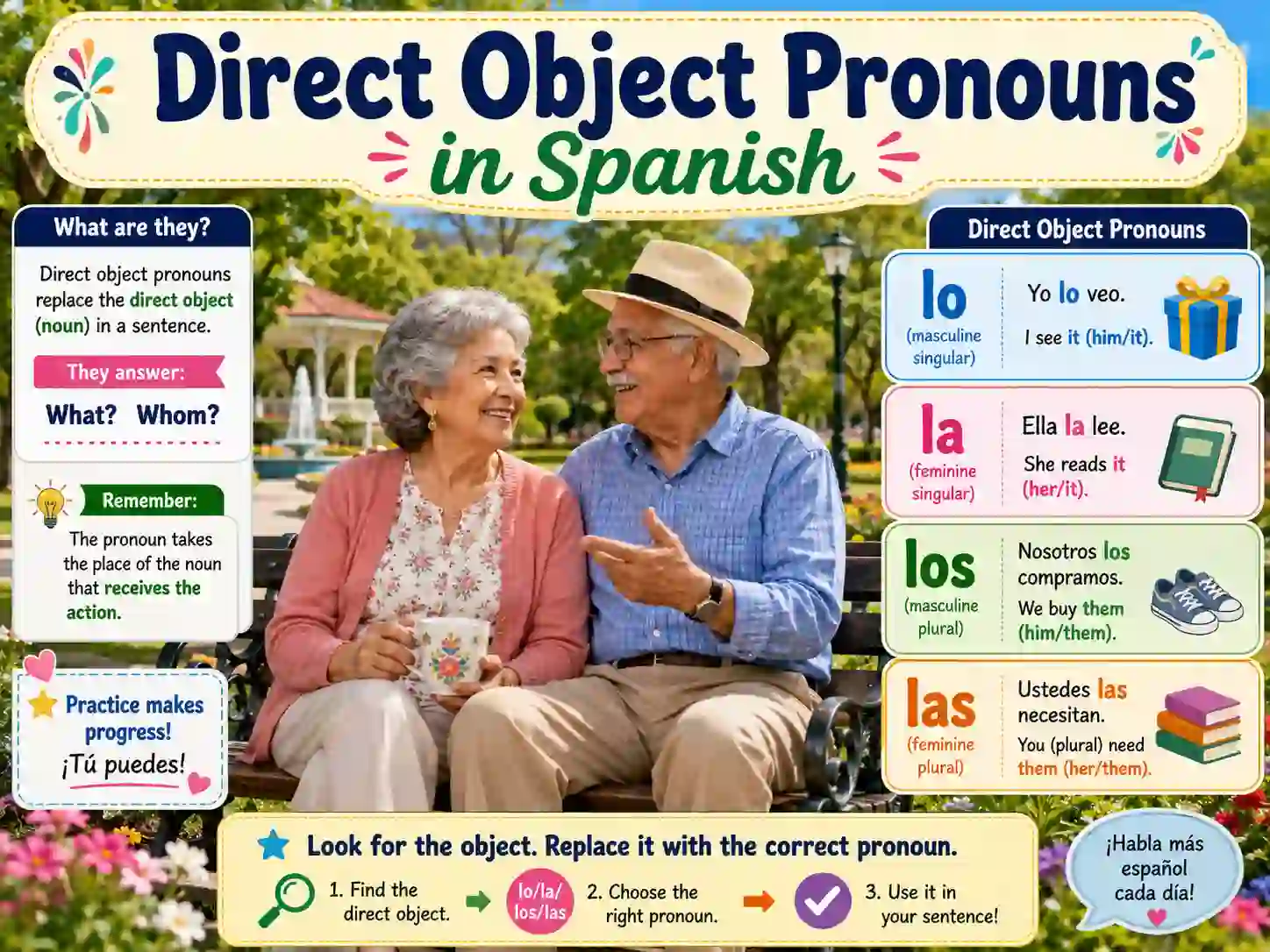
Spanish Direct Object Pronouns
Answer questions such as ¿Qué compras? with Lo compro or La compro.
Open lessonCommon errors
Common mistakes with Spanish interrogative words
- Forgetting written accents: write qué, quién, cuál, dónde, cuándo and cómo in questions.
- Dropping accents in indirect questions: write No sé qué quiere, not No sé que quiere when the meaning is “I do not know what he or she wants”.
- Using cuál automatically before a noun: standard learner Spanish normally uses qué + noun: ¿Qué libro prefieres?
- Forgetting quiénes: use the plural form when asking about several people.
- Forgetting agreement with cuánto: use cuánta agua, cuántos libros and cuántas personas.
- Confusing por qué and porque: use por qué in questions and porque in answers.
- Calling every question word a pronoun: dónde, cuándo and cómo function as interrogative adverbs.
Frequently asked questions
Questions about Spanish interrogative pronouns
What are Spanish interrogative pronouns?
They ask for unknown information and replace a person, thing, identity, choice or quantity. Important forms include qué, quién, cuál and cuánto.
What is the difference between qué and cuál?
Qué commonly asks for a definition, type or thing and appears before nouns. Cuál commonly asks for identity or selection from possible answers.
Do Spanish question words need accents?
Yes. Interrogative and exclamatory words carry written accents in direct and indirect questions.
What is the plural of quién?
The plural form is quiénes. Use quién for one person and quiénes for several people.
What is the difference between por qué and porque?
Por qué means “why” and is used in questions. Porque means “because” and normally introduces an answer or explanation.
Do question words keep accents in indirect questions?
Yes. Write No sé dónde vive, Quiero saber quién llama and Dime qué necesitas.
Practice and support
Practise Spanish question words in complete conversations
Spanish questions become easier when you practise the difference between qué and cuál, accent marks, word order, indirect questions and natural answers.
Spanish Tutoring
Work on question words, accents, sentence correction and individual grammar problems.
Private Spanish Lessons
Practise qué, quién, cuál, cuánto and natural conversation questions.
Spanish Grammar
Continue with pronouns, question structures, verbs and sentence order.

About MundoDele
Spanish learning connected with culture and real life
MundoDele combines clear Spanish grammar explanations with private lessons, tutoring, DELE and SIELE preparation, Business Spanish, cultural context and travel experiences from the Spanish-speaking world.
The grammar guides use practical examples, connected lessons and clear sentence logic to help international learners move from individual rules to confident Spanish use.