
Spain · Andalusia · Córdoba
Córdoba Travel Guide: Mosque-Cathedral, Patios and Historic Centre
Córdoba's historic center is shaped by a former great mosque that became a cathedral, royal fortifications, residential courtyards and the River Guadalquivir. This guide explains how the places fit together — and which visits now require special attention.
The old town is compact enough for a walking day; Medina Azahara is a separate archaeological excursion west of the city.
Plan a walking dayExplore the five guides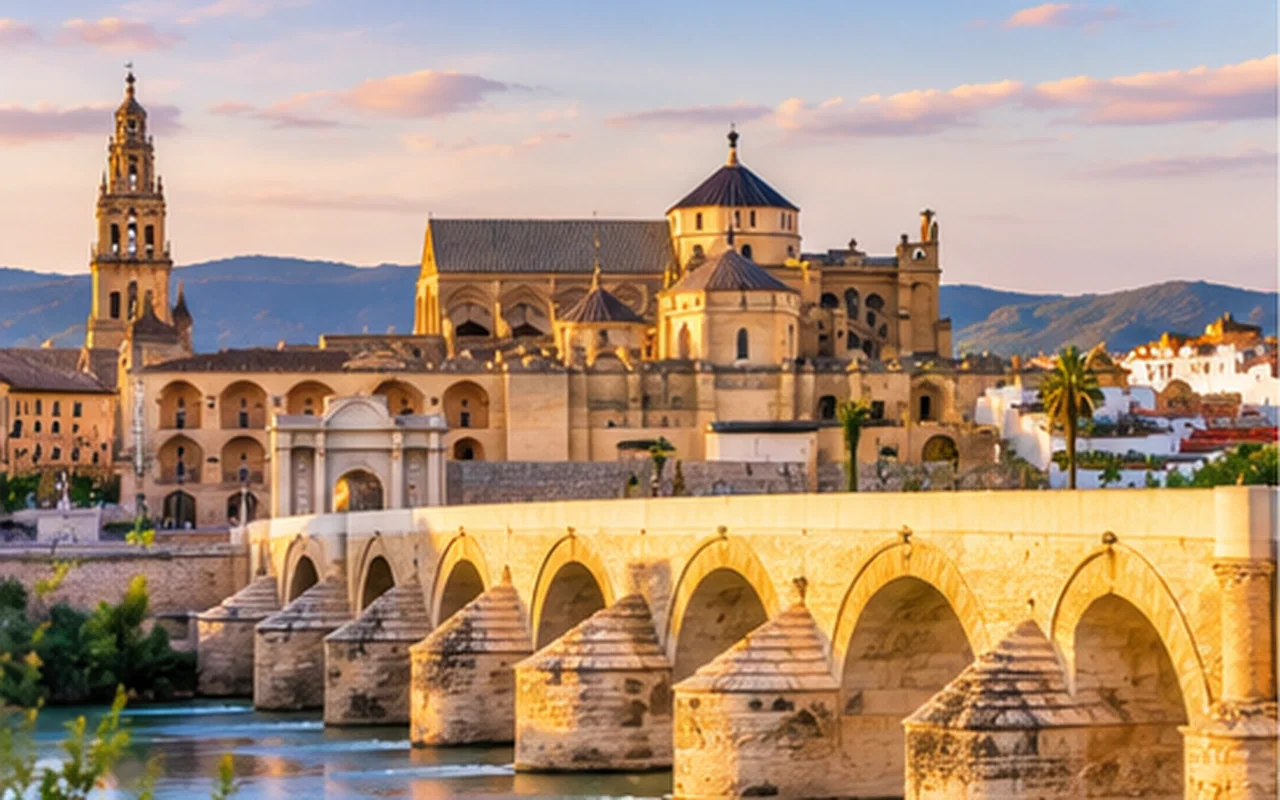
What makes Córdoba different from other Andalusian cities
Córdoba's monuments do not fall neatly into separate historical periods. The Great Mosque became a cathedral in 1236; a Renaissance nave was later built inside its Islamic prayer hall. Just a short walk away, the Alcázar was a royal fortress, while houses in San Basilio continued to develop a quieter domestic tradition around shaded patios. The same streets connect monumental political history with everyday architecture.
The UNESCO-listed historic center is unusually coherent for walking. Its protected area extends across the Guadalquivir to the Roman Bridge and Calahorra Tower, and west to the Alcázar and San Basilio. That geography matters more to a visitor than a list of “top ten” attractions: much of the historic core can be explored without transport, whereas Medina Azahara is an entirely separate journey.
Córdoba was the center of the independent caliphate established by Abd al-Rahman III in 929. Its importance is visible in the Mosque-Cathedral and in the remains of Medina Azahara, the caliphal seat built outside town in the tenth century. Both are UNESCO World Heritage sites, but visiting them involves very different logistics.
How to organize one day in Córdoba
Morning: Mosque-Cathedral and Judería
Start with the Mosque-Cathedral, before the city's other stops begin to compete for time. Give the architecture your attention: the double arches, the mihrab area and the Christian cathedral inside the building are its central story. An official self-guided ticket and a guided commercial tour are different products; decide which you want before comparing prices.
Exit towards the Jewish Quarter. Use the small streets as a walking area rather than treating each lane as another scheduled attraction. The distance from the monument to the river is short, so there is no need to book transport for this part of the day.
Afternoon: river, patios or gardens
Cross the Roman Bridge and look back at the Mosque-Cathedral from the opposite bank. Then choose how to spend your remaining time: the residential courtyard tradition around San Basilio or the formal gardens of the Alcázar. They are different visits, and both have access rules worth checking.
The Alcázar is currently undergoing restoration. Its official booking site explicitly restricts visits to the gardens; room-and-tower descriptions in older itineraries are therefore unreliable. In summer, leave the exposed riverbank and gardens for cooler hours when possible.
Staying a second day? Reserve a separate morning for Medina Azahara. It is roughly eight kilometers west of the center and requires a museum-to-ruins shuttle. That trip should never be squeezed between two timed old-town tickets.
Separate stories, separate visits
Córdoba's five major visitor experiences
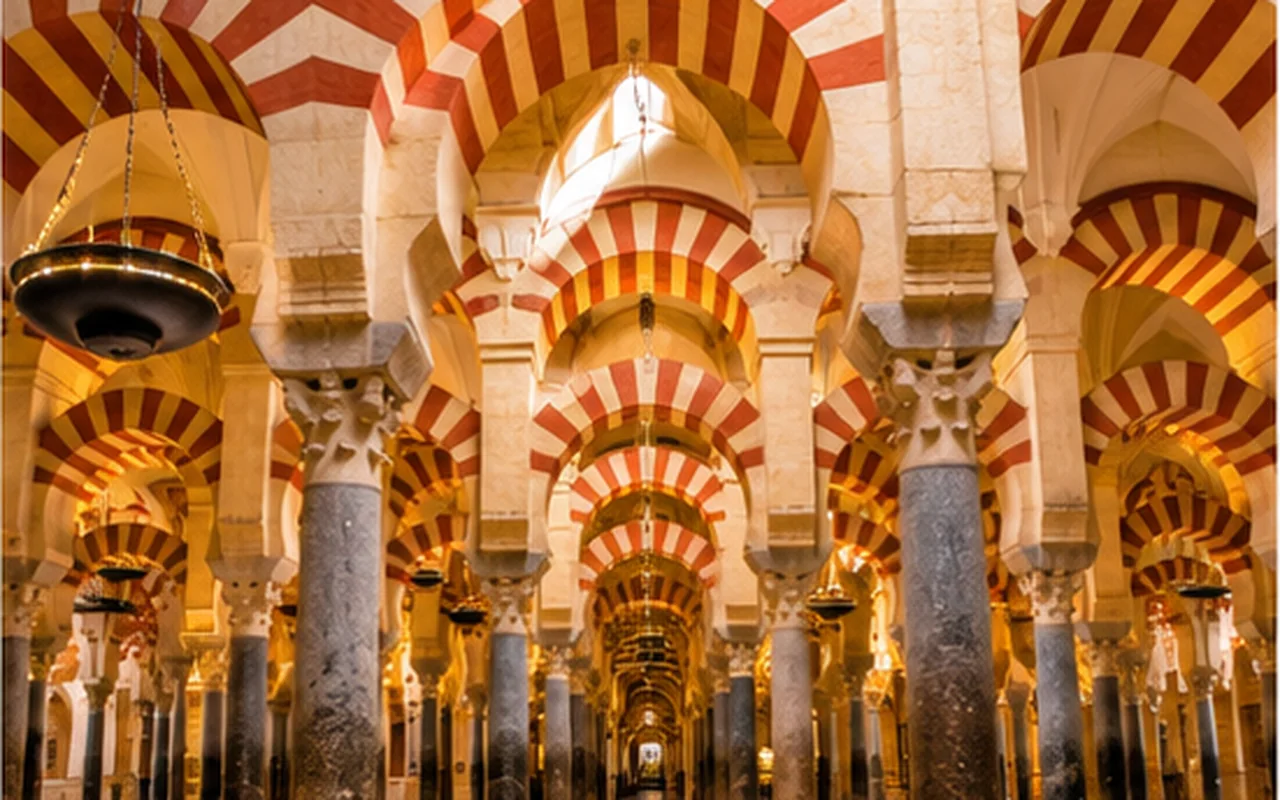 The monumentMosque-Cathedral of CórdobaWhy its double arches and Renaissance nave tell different chapters of Córdoba's historyRead the guide ›
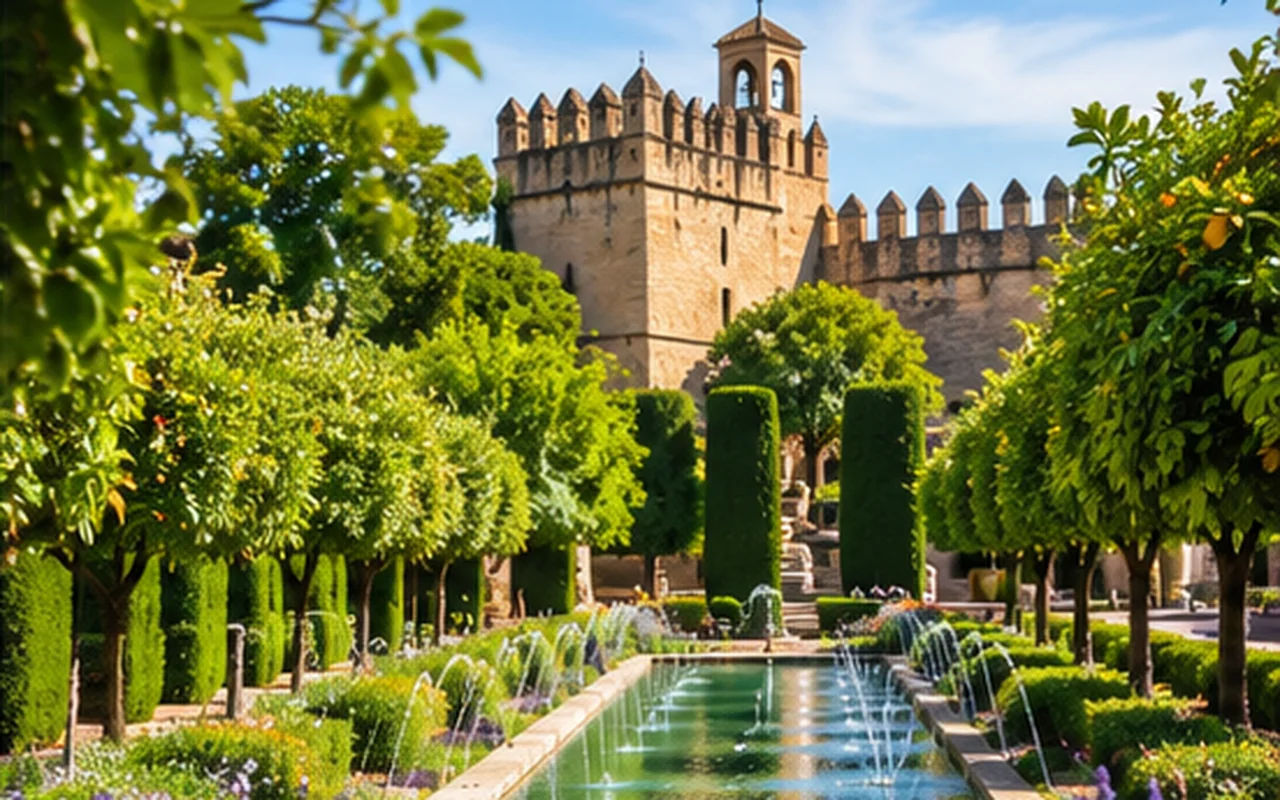 Access updateAlcázar gardensThe palace is under restoration: what the official ticket office allows visitors to seeRead the guide ›
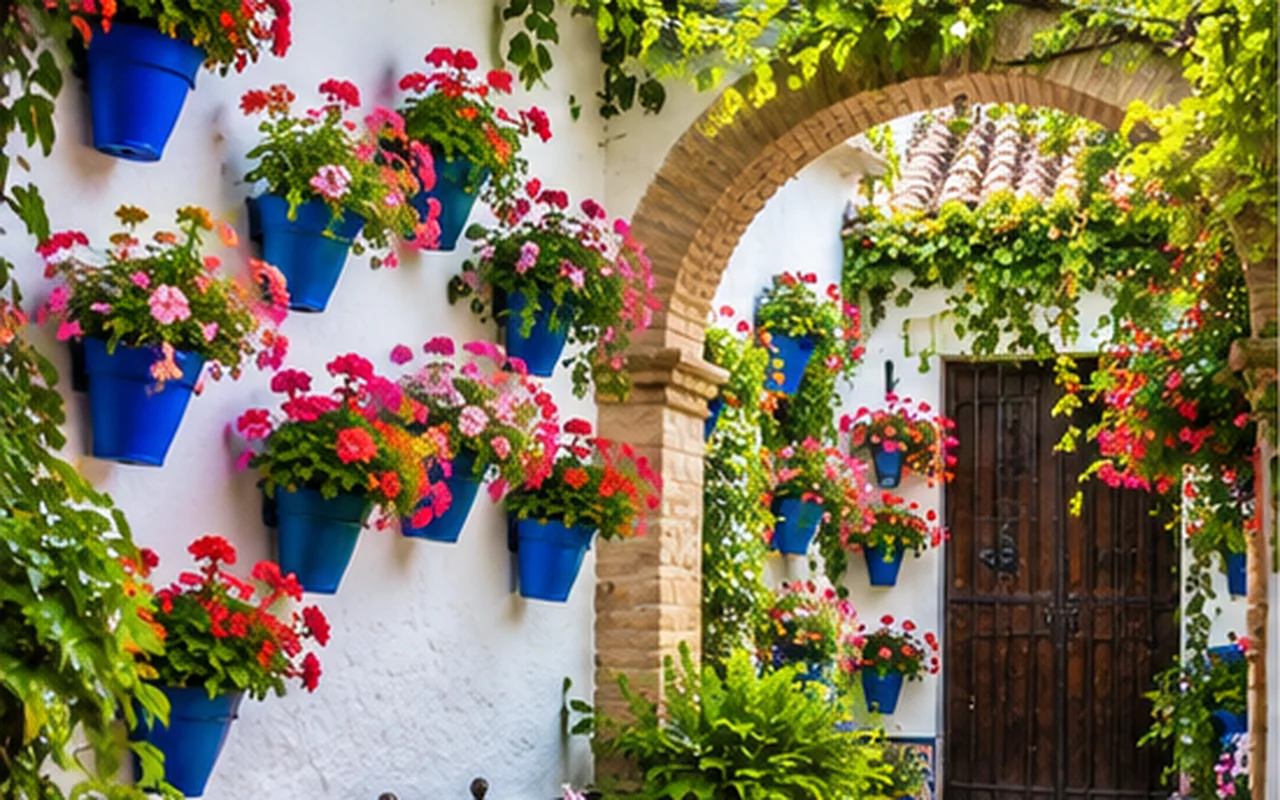 CourtyardsCórdoba patiosMay's free festival, year-round visits and the twelve courtyards of Palacio de VianaRead the guide ›
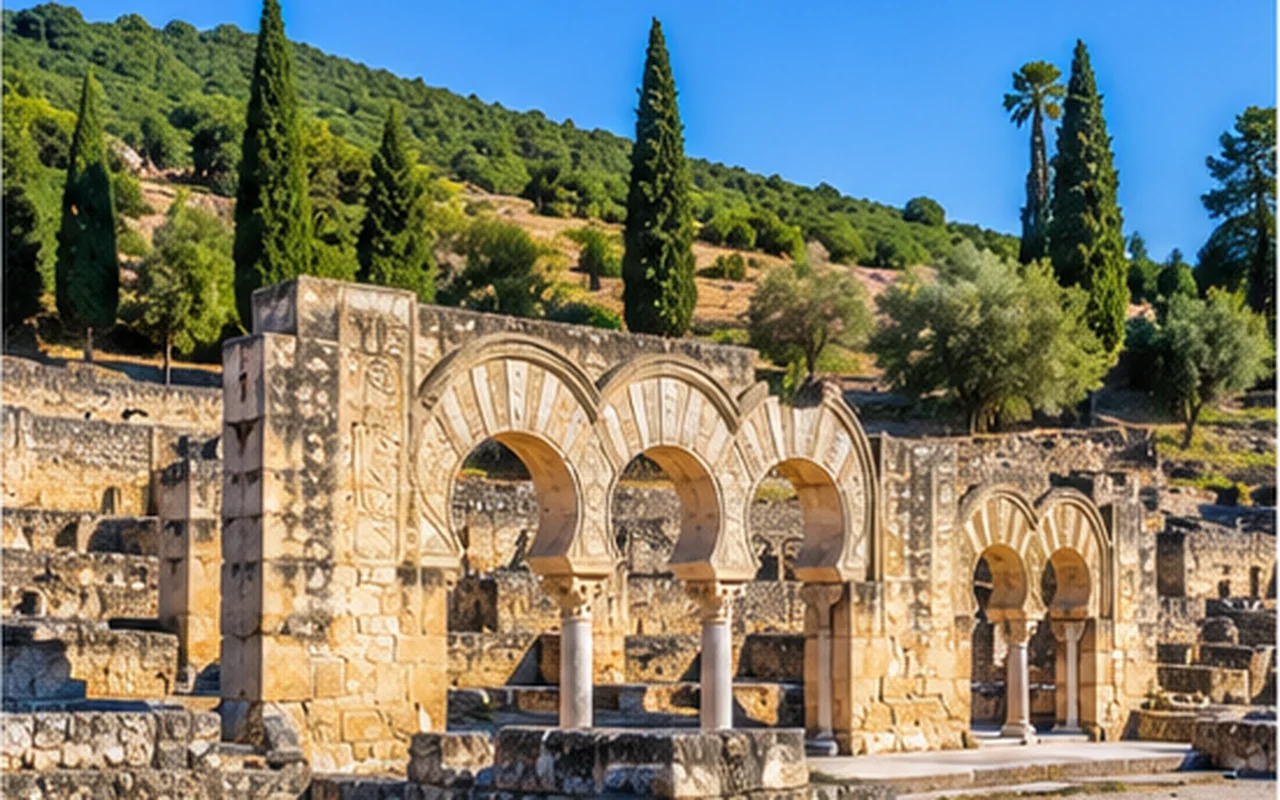 Beyond the centerMedina AzaharaThe caliphal city, its visitor museum and the shuttle needed to reach the ruinsRead the guide ›
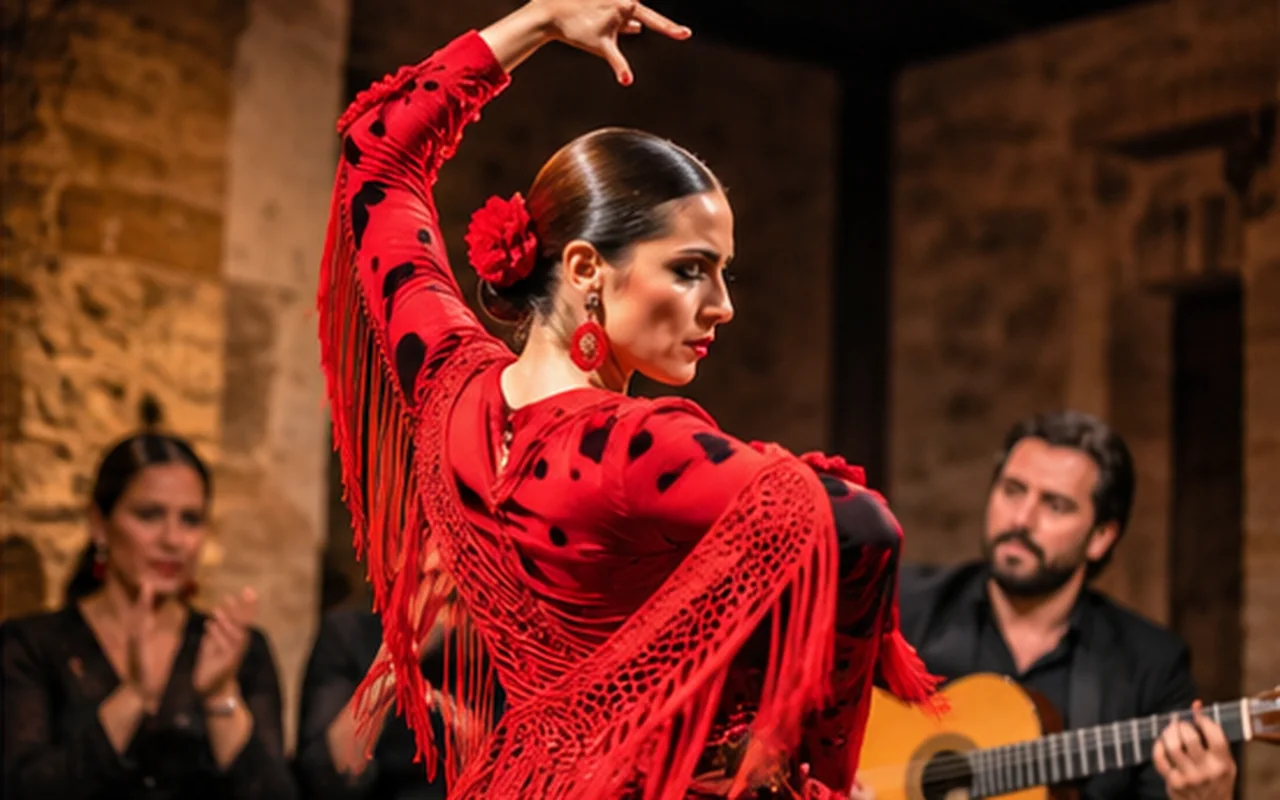 EveningFlamenco in CórdobaHow to distinguish a show ticket, workshop and dinner packageRead the guide ›
The thumbnails are photorealistic AI-generated images, used as visual illustrations of the topics rather than documentary photographs.
Tickets: what needs booking and what does not
Mosque-Cathedral: The official website lists regular admission and a limited free visiting period on most Monday-to-Saturday mornings from 8:30 to 9:30, with exceptions for extraordinary celebrations. The free window is short and does not permit groups. Check the calendar for the specific date instead of relying on a generic opening-hour table.
Alcázar: At the November 2026 check, the official ticket site states that only its gardens are accessible during restoration. Choose a tour only if the provider describes the currently accessible route.
Patios: The city organizes free access to competing courtyards during May's festival. That does not make residential patios public attractions throughout the year. A separate option is Palacio de Viana, which advertises admission to twelve patios and ground-floor rooms.
Medina Azahara: The visitor center comes first. The official shuttle covers the route between the museum and the archaeological site, not the trip from Córdoba's center. The operator lists a €3 general return fare for the shuttle.
Flamenco: Compare the precise inclusions. El Cardenal sells an approximately 80-minute performance with one drink, while a workshop and tapas package are distinct products.
Guided tours and booking choices
The strongest case for a guide is architectural interpretation inside the Mosque-Cathedral or at Medina Azahara, where much of the former city must be reconstructed from foundations. A patio tour can be useful outside the municipal festival if it includes access to courtyards that are otherwise closed. For the river walk and Judería, independent exploration is straightforward.
For paid tours, check the language, starting point, admission inclusion, accessibility and cancellation terms on the actual departure you are considering. In particular, a combined Alcázar tour must reflect the current garden-only restrictions.
Compare Córdoba guided toursAffiliate disclosure: MundoDELE may receive a commission for bookings through GetYourGuide links. Product availability and tour content must be checked at the booking provider.
Spanish for a real travel decision
Two questions before buying a tour
¿Está incluida la entrada? — Is the admission ticket included? ¿Dónde empieza la visita? — Where does the visit start?
These questions distinguish three things that English booking descriptions sometimes blur: entrada (admission), visita guiada (guided tour) and punto de encuentro (meeting point).
For the question words and their pronunciation, see MundoDELE's Spanish questions lesson. If you are comparing the price of two tours, the por vs para lesson helps with expressions such as por persona (“per person”).
Continue through Andalusia
Coming by train or on a longer route? The Seville guide covers another major Andalusian base, while the Granada guide focuses on a different chapter of Islamic and Christian architecture. Córdoba can be a day excursion from Seville, but the existing Seville-to-Córdoba excursion should be read alongside this city guide, especially if it includes Carmona and leaves limited independent time.
Official sources and current visitor information
UNESCO: Historic Centre of Cordoba · Mosque-Cathedral tickets · Alcázar access notice · Municipal patios festival · Medina Azahara visit and shuttle · El Cardenal program.
Visitor information checked November 2026. Always consult the linked operator for the chosen date.