
Spain · Catalonia · Costa Brava · Coves · Walks · Seaside Towns
Costa Brava Travel Guide: Coves, Cliff Paths & Slow Seaside Days
Updated: July 2026 · Beaches, Camí de Ronda walks, seaside towns, routes and Barcelona combinationsThe Costa Brava is Catalonia’s rugged Mediterranean coast: rocky coves, pine shade, old fishing towns, clear water and short coastal paths that make each day feel different.
This guide helps you choose a base, plan beach days, understand the Camí de Ronda, combine the coast with Barcelona, and avoid the common mistake of trying to see too much in one day.
1 · Quick decision
What kind of Costa Brava trip fits you?
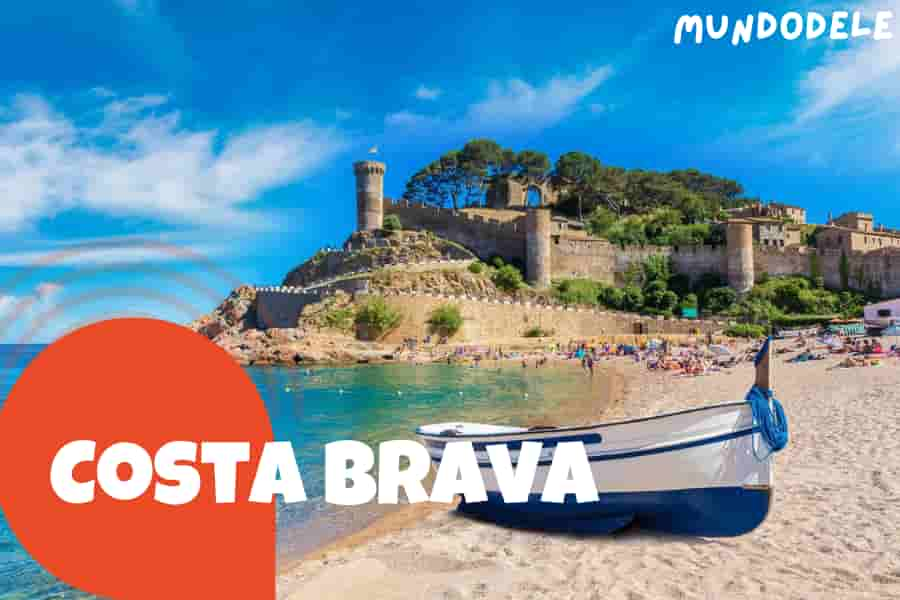
Beach and cove days
For clear water, smaller bays, rocky entries, pine shade and slow days close to the sea.
Plan beach days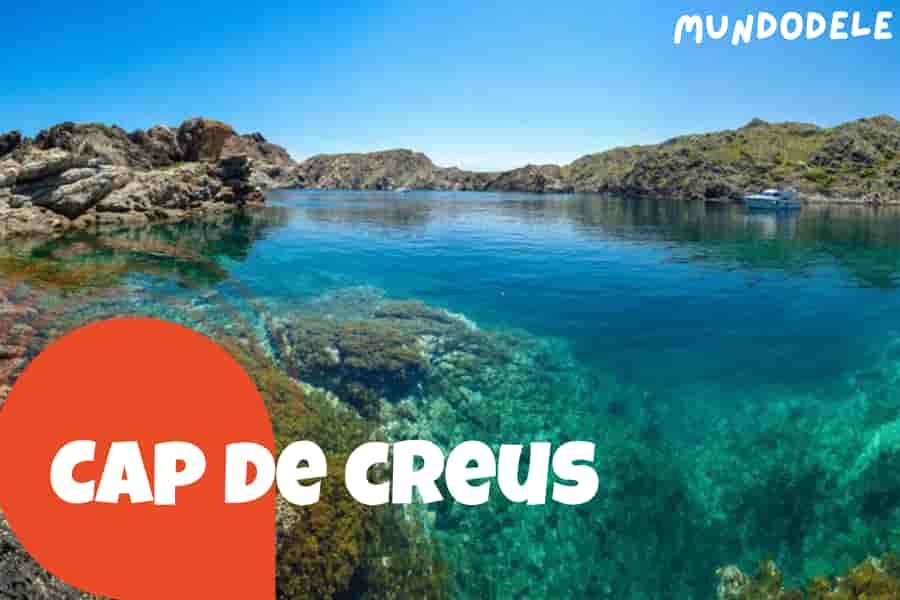
Cap de Creus & exposed headlands
For dramatic rocks, wind-shaped coast, hiking choices, boat plans and a wilder northern Costa Brava mood.
Cap de Creus guide
Barcelona plus coast
For travelers who want Gaudí and tapas first, then swims, cliff paths and smaller towns.
Barcelona guide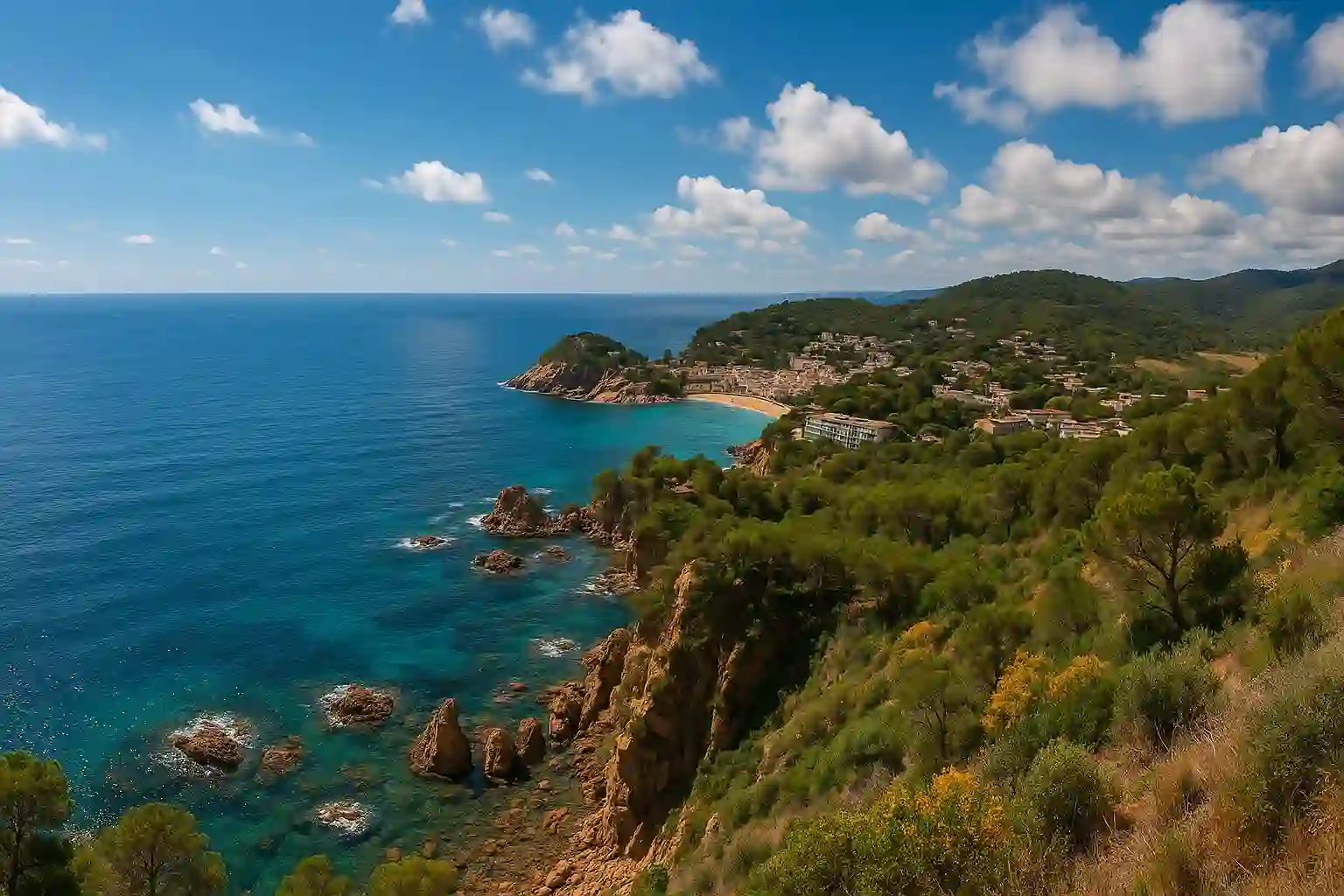
Coast, Girona & inland villages
For a wider Catalonia trip with coast, mountains, Girona, wine, medieval villages and Barcelona.
Catalonia guide2 · Updated July 2026
Current planning notes for the Costa Brava
Use the official Costa Brava tourism site
For beaches, coves, activities, wine, culture and nature, use the official Costa Brava and Girona Pyrenees tourism site as a practical planning reference.
Open official Costa Brava tourismCamí de Ronda sections need planning
The Camí de Ronda can mean short seaside paths or longer walking routes. Some sections include steps, uneven stone, exposed sun and limited shade.
Spain.info Camí de Ronda routeCheck heat, wind and fire restrictions
In hot or windy periods, check local weather and restrictions before hiking inland or through pine-covered areas. In July 2026, Catalonia extended wildfire-risk restrictions in several natural areas.
Check Catalonia fire restrictions3 · Areas & travel logic
Where to go on the Costa Brava
Blanes, Lloret de Mar & Tossa de Mar
Easier from Barcelona and better if you want services, hotels, boat trips and a shorter transfer. Tossa de Mar adds old-town charm and a strong coastal setting.
Palamós, Calella de Palafrugell & Begur
A strong choice for coves, fishing-town atmosphere, seafood, short walks and classic Costa Brava scenery.
L’Escala, Roses, Cadaqués & Cap de Creus
Better for dramatic landscapes, Dalí context, wind-shaped headlands and a more remote feeling near the French border.
Girona, medieval villages & Empordà
Add inland time for stone villages, markets, vineyards, old streets and a break from beach crowds.
Choose services over drama
Families usually do better with gentle beach access, nearby restaurants, toilets, shade and short walking distances.
Choose atmosphere and evenings
Couples often prefer smaller towns, sunset viewpoints, quiet coves, long lunches and one scenic walk per day.
4 · Beaches & coves
How to plan beach days on the Costa Brava
Small coves are not always simple
Many Costa Brava coves are beautiful because they are partly hidden. That can mean steps, rocks, limited parking, no services and less shade than expected.
- Arrive early in July and August.
- Bring water, sandals and sun protection.
- Check access before going with small children.
- Do not assume every cove has toilets or a beach bar.
Use one beach as an anchor
A good day does not need five beaches. Choose one swimming spot, add one short walk, and keep lunch nearby. The Costa Brava rewards slow planning more than constant movement.
- Morning: swim while the water is calmer.
- Midday: lunch and shade.
- Late afternoon: viewpoint or short coastal path.
- Evening: stay in town instead of driving again.
5 · Camí de Ronda
Camí de Ronda: coastal walks without overdoing it
The Camí de Ronda is one of the best ways to understand the Costa Brava. These coastal paths connect beaches, coves, viewpoints and small towns. Some parts are gentle seaside walks; others are real hikes with steps, uneven ground and exposed sections.
60–90 minute sections
Best for most visitors. Walk one scenic part, swim or eat nearby, then return before the heat becomes too strong.
Half-day coastal route
Good with proper shoes, water and a clear endpoint. Avoid starting late in summer.
Multi-stage walking
For experienced walkers. Plan accommodation, luggage, sun exposure, trail condition and transport back carefully.
6 · Bookable activities
Compare Costa Brava tours and day trips
If you are based in Barcelona, a guided Costa Brava day trip can make sense. If you stay on the coast, use tours selectively: boat trips, kayaking, snorkeling or a guided walk.
7 · Route planning
Costa Brava routes: 3, 5 or 7 days
Taste of the coast
- Arrive from Barcelona or Girona
- Base town and first swim
- Short Camí de Ronda section
- Seafood lunch
- One inland or viewpoint stop
Good if you want the Costa Brava feeling without changing accommodation.
Two-base strategy
- South or central coast base
- Coves and short walks
- Move to quieter base
- Inland village or Girona
- Boat, kayak or beach rest day
Best balance for first-time visitors who want variety without rushing.
Coast and hinterland
- Barcelona or Girona arrival
- Central Costa Brava
- Camí de Ronda day
- Inland villages
- Northern coast or Cap de Creus
- Water activity or boat trip
- Slow final beach day
Ideal if you want the coast, inland villages and enough time to slow down.
8 · Best time
When to visit the Costa Brava
March to May
Great for walks, villages and photography. Sea water is still cool, especially early in the season.
June
One of the best months: long days, warmer water, lively towns and fewer crowds than August.
July and August
Best for swimming, but busy. Plan early starts, shade, reservations and flexible beach choices.
September to October
Often excellent: warm sea, softer light, calmer towns and good conditions for walks.
9 · Orientation
Costa Brava map in your head
The Costa Brava is easier to plan when you divide it into south, middle coast, north and inland. This keeps the trip realistic and prevents long transfers between beaches.
10 · Spanish for travelers
Useful Spanish for the Costa Brava
Useful words
- la cala – cove
- la playa – beach
- el sendero – path or trail
- el mirador – viewpoint
- la sombra – shade
- la brisa – breeze
Useful phrases
- ¿Hay acceso a pie? – Is there access on foot?
- ¿Está abierta la cala? – Is the cove open?
- ¿Hay aparcamiento cerca? – Is there parking nearby?
- ¿Se puede pagar con tarjeta? – Can we pay by card?
More: Learn Spanish with MundoDELE.
11 · Continue planning
Plan more of the Costa Brava, Catalonia and Spain
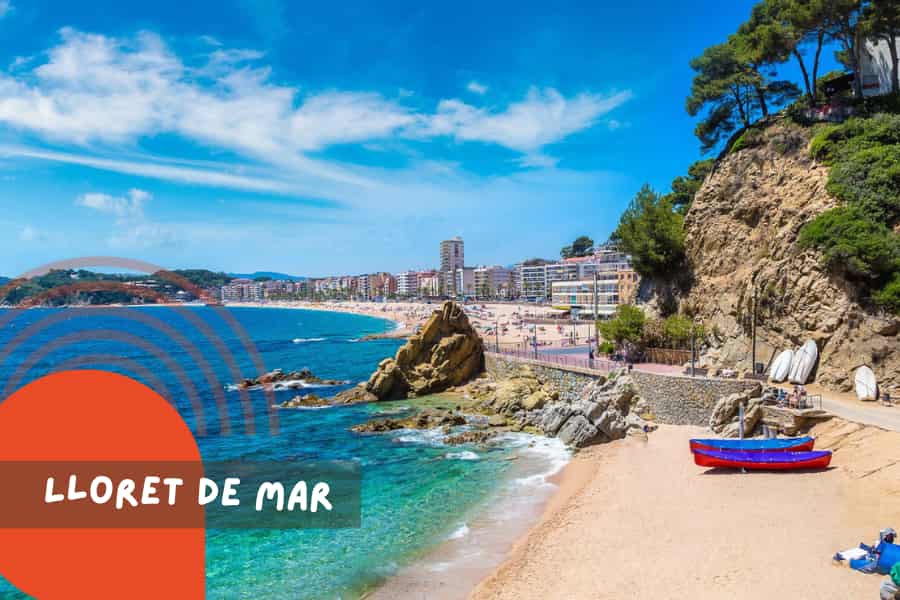
Lloret de Mar tours
Boat trips, kayak routes, diving, Barcelona day trips and easy Costa Brava activities from one practical base.
Open Lloret guide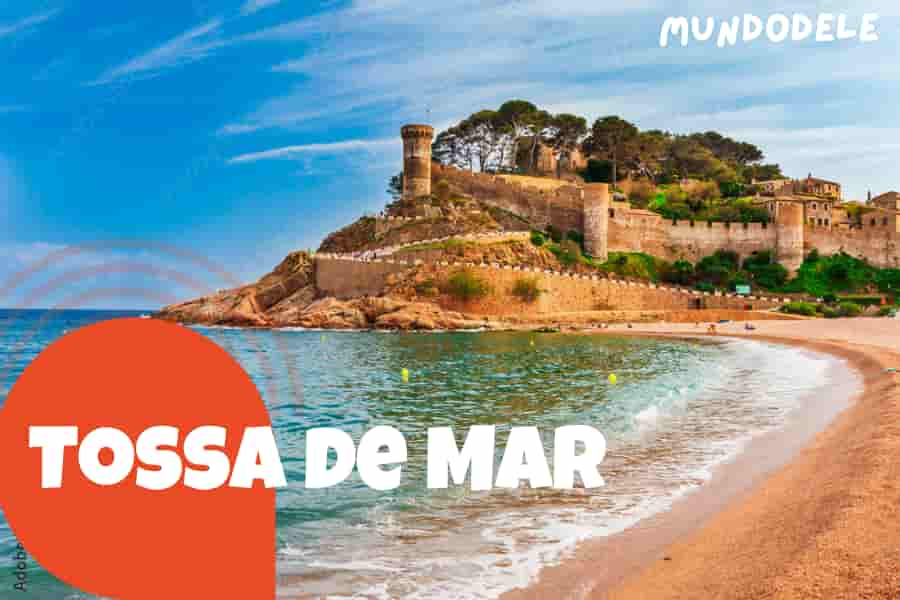
Tossa de Mar guide
Castle walls, beaches, coves, viewpoints and one of the most atmospheric old towns on the Costa Brava.
Open Tossa guide
Cap de Creus from Cadaqués
Choose between hiking, boat or car/taxi plus short walks for one of Catalonia’s wildest coastal landscapes.
Open Cap de Creus guide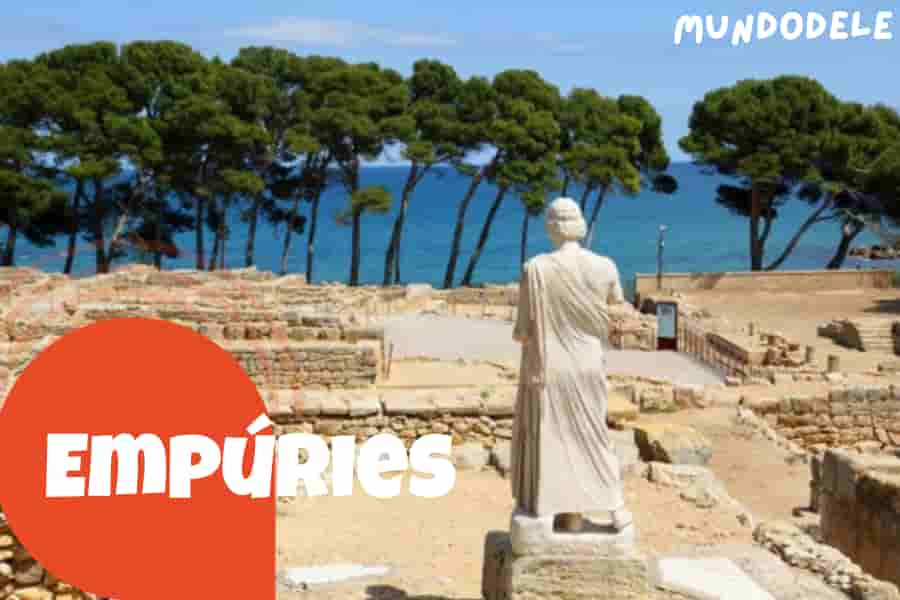
Empúries ruins by the sea
Greek and Roman history directly by the Mediterranean, easy to combine with a beach or slow coastal lunch.
Open Empúries guide
Barcelona Travel Guide
Gaudí, Gothic Quarter, tapas, beaches and day trips before or after the Costa Brava.
Open Barcelona guide
Catalonia Travel Guide
Use this for Barcelona, Costa Brava, Girona, Montserrat, coast, food, mountains and route planning.
Open Catalonia guide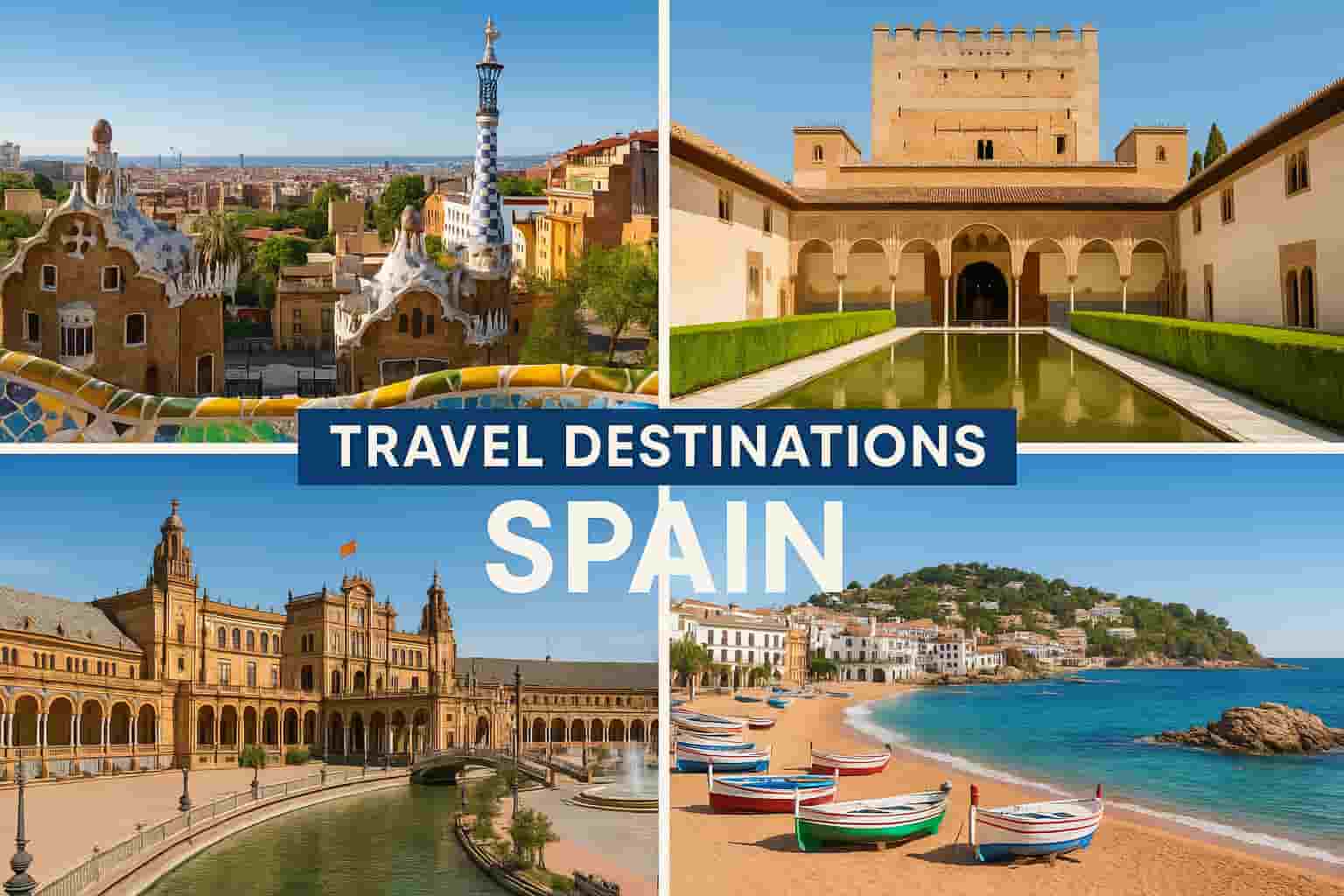
Spain Destinations
Continue with Andalusia, Madrid, Valencia, the Balearic Islands, North Spain and other Spanish regions.
Open Spain destinationsLearn Spanish
Prepare useful Spanish for restaurants, beaches, tickets, taxis and travel problems.
Learn SpanishCosta Brava tourism
Official destination information for beaches, coves, activities, culture, gastronomy and nature.
Open official siteFAQ
Frequently asked questions about the Costa Brava
When is the best time to visit the Costa Brava?
May, June, September and early October are usually the best months. July and August are peak season, with warmer water, more visitors and a stronger need for early starts.
Do you need a car on the Costa Brava?
A car is useful for smaller coves, inland villages and flexible routes. It is not always necessary if you stay in a larger town and use buses, trains, coastal paths or organized day trips.
Can you visit the Costa Brava from Barcelona?
Yes. You can visit the Costa Brava as a long day trip from Barcelona. For a better trip, stay at least one or two nights on the coast.
What is the Camí de Ronda?
The Camí de Ronda is a network of coastal paths along the Costa Brava. It links coves, beaches, viewpoints and towns. Some sections are easy; others need proper shoes and planning.
Is the Costa Brava good for families?
Yes, but choose your base carefully. Families usually do better with easy beach access, services, shade, toilets and short walking distances.
What should you check before hiking in summer?
Check heat, wind, sea conditions and wildfire restrictions. Start early, carry water and avoid exposed sections during the hottest part of the day.
Short conclusion
The Costa Brava works best when you slow down
Choose one good base, plan beach days around access and shade, add short Camí de Ronda sections, and combine the coast with Barcelona or Girona if you have enough time.