Toledo Cathedral: Admission, Architecture and El Greco
At Toledo Cathedral the question is not how large the building is, but where to look. Its Gothic structure holds a remarkable set of spaces: an enclosed choir, a carved altarpiece, a dramatic Baroque intervention behind the main chapel and paintings that connect the building to El Greco's Toledo.
Visitor informationTour decisions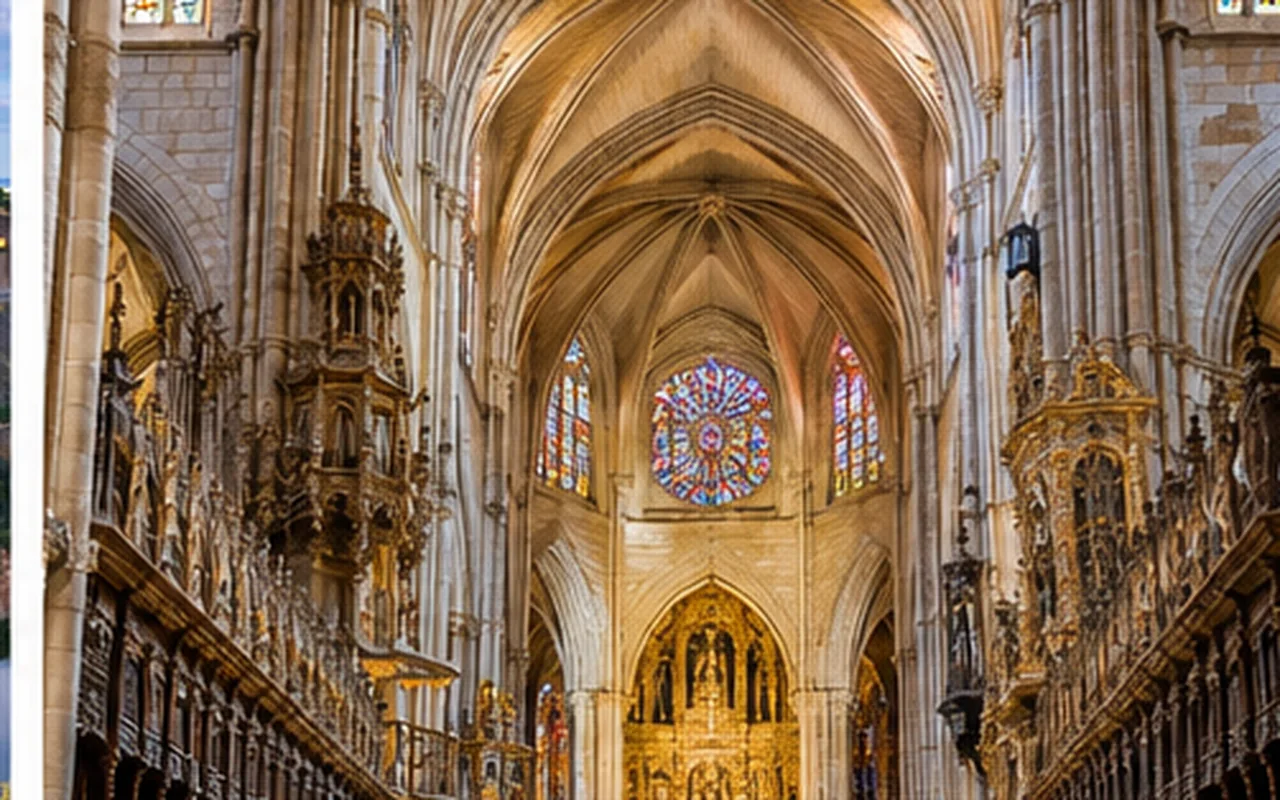
Understanding the visit
Construction of the present Cathedral began in 1226, under Archbishop Rodrigo Ximénez de Rada, and continued until 1493. Its long building history explains why the visitor encounters more than one architectural language. The Gothic plan provides the monumental framework; Renaissance and Baroque work changed particular chapels and ceremonial spaces without replacing the older structure.
The city was a major ecclesiastical center, and the Cathedral's claim to importance is visible in its commissions, not only in its scale. A traveler arriving from Madrid has a good reason to make it the single substantial indoor visit of a short Toledo day trip.
Practical visitor information
Checked November 2026 against the linked operator or public institution; recheck the date of your visit.
Start with the choir, then follow the change in scale
The choir occupies part of the central nave, rather than sitting discreetly at the far western end. Stand back before entering it so you can understand how it reorganizes the long Gothic perspective. The carved stalls are detailed works in their own right; looking only towards the main altar can make you miss them.
Move next towards the Main Chapel and its towering altarpiece. The experience becomes much more interesting if you compare the Gothic structure around you with the different artistic language of the liturgical furnishings. The Cathedral is also still a functioning religious institution, which is why visitor opening times are not identical to worship schedules.
The Transparente: a Baroque opening inside a Gothic building
The Transparente is a particularly memorable intervention behind the main altar. Its sculpture, painting and controlled admission of natural light deliberately interrupt the surrounding medieval fabric. Look for how the light enters from above and how the figures appear to break out of the architectural frame.
Calling it simply “Baroque decoration” understates its role. It changes the visitor's sense of movement and focus within a building conceived centuries earlier. This is the sort of detail a knowledgeable guide should explain rather than rushing the group past.
Where to find El Greco
El Greco's The Disrobing of Christ (El Expolio) hangs in the sacristy, alongside a major group of his religious paintings. Visitors who intend to follow the painter's work across Toledo should start here, then continue to Santo Tomé for The Burial of the Lord of Orgaz. The latter was painted for that church and is not part of the Cathedral ticket.
Another stop in the Jewish Quarter is the El Greco Museum. Crucially, the museum was built around a later recreation of his domestic setting; it is not the surviving home in which he lived.
Buying tickets without paying for the wrong visit
The Cathedral's own ticket page lists a standard cultural-visit ticket at €12, reduced admission at €8 for defined groups and a children's rate of €6 for ages eight to fourteen. Access for the cultural visit is always through Puerta Llana, Calle Cardenal Cisneros 1. Ordinary visiting hours are Monday–Saturday 10:00–18:30 and Sunday 14:00–18:30, with last admission thirty minutes before closing.
Special services, religious feast days and the liturgical calendar can change this. In 2026 the separate Primada exhibition has its own ticket and expressly does not form part of ordinary Cathedral admission. A combined day-and-night Lumina package is also a different product. Compare the actual inclusions, not just the word “cathedral” in the booking title.
A sensible place in a one-day route
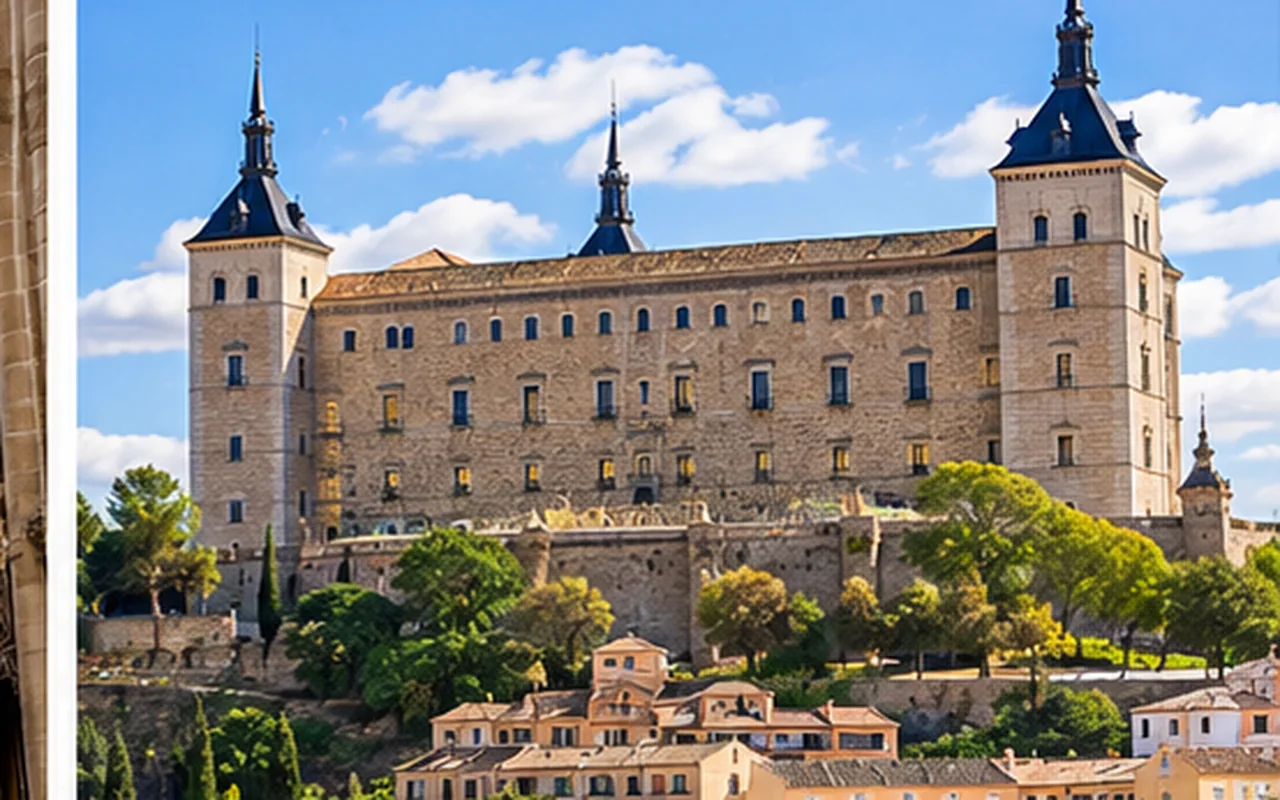
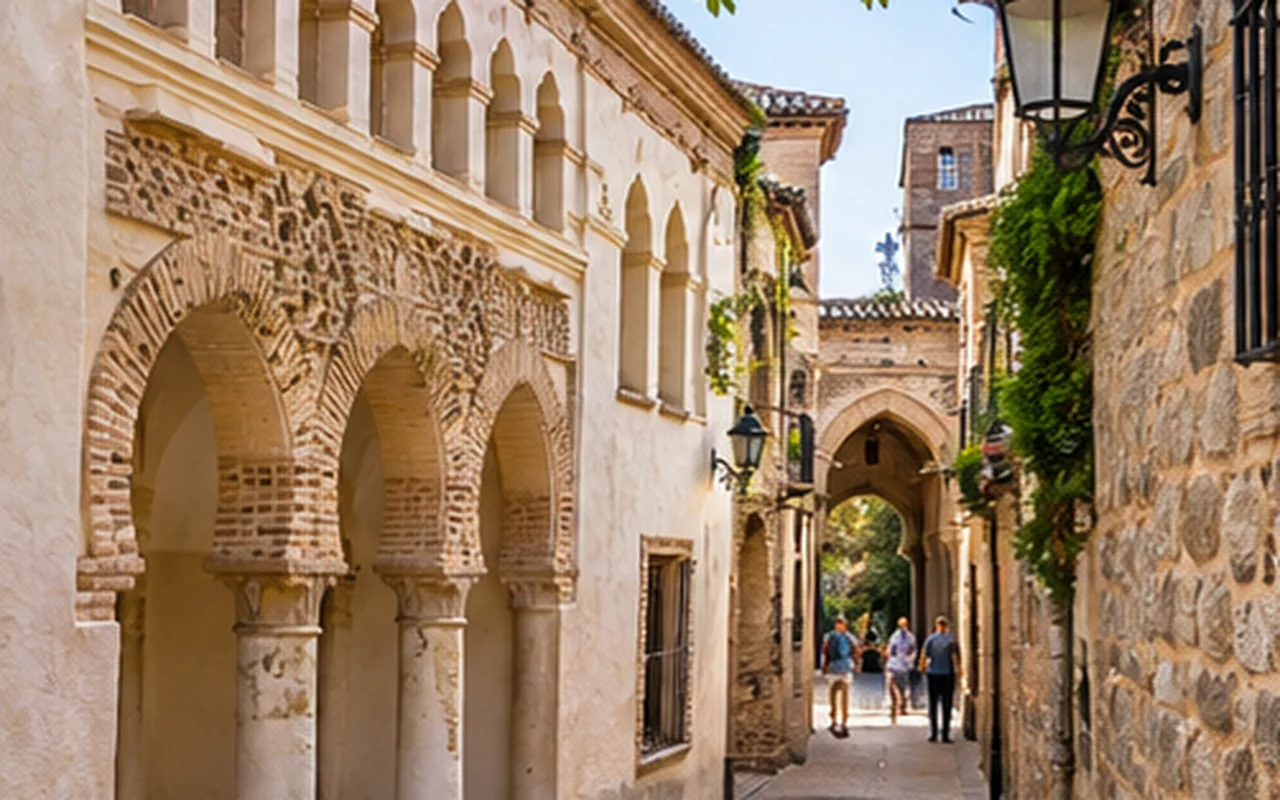
After the Cathedral, walk towards the Jewish Quarter and Santo Tomé rather than scheduling another large museum immediately. If the Army Museum interests you more than religious art, visit the Alcázar first: the museum closes earlier than the Cathedral.
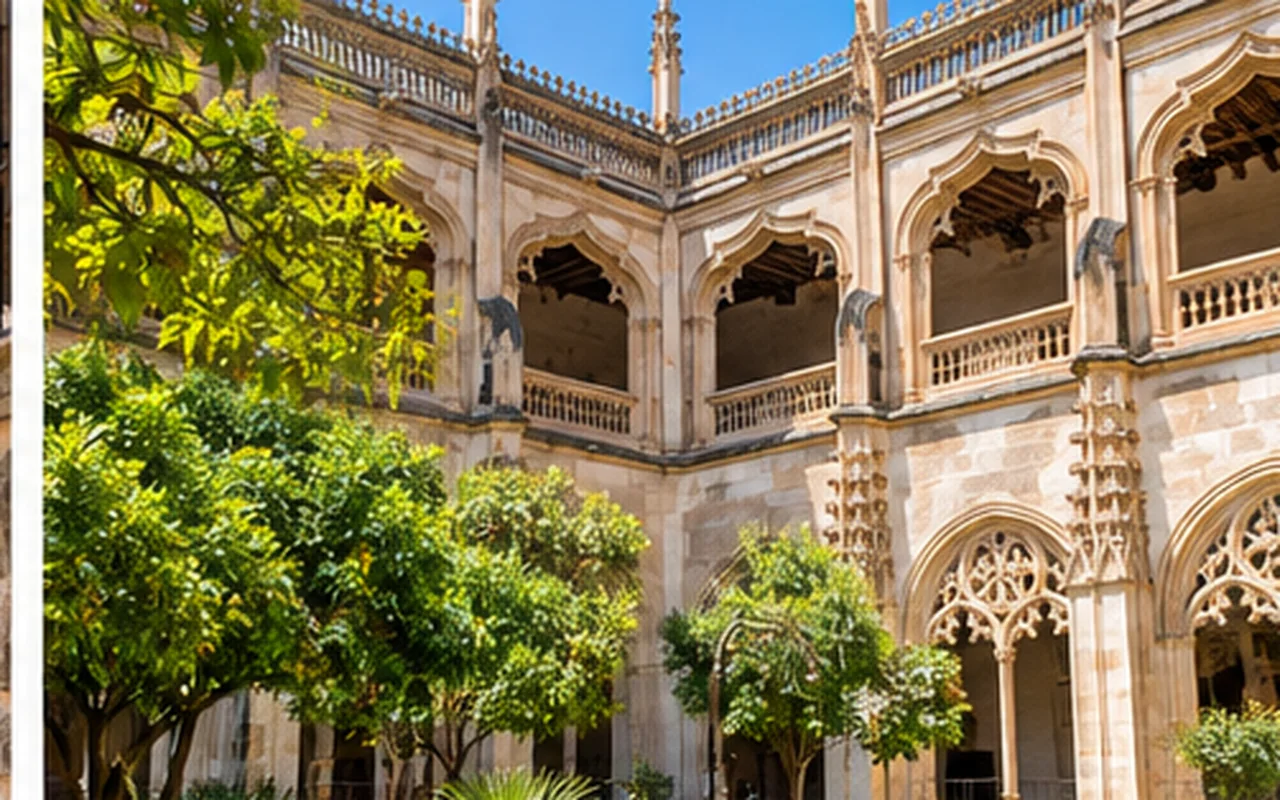
Toledo's streets are steep and paved with stone. Allocate some flexibility for getting between the Cathedral, Santo Tomé and San Juan de los Reyes. Tour itineraries often understate how much time it takes to look carefully inside a monument while also walking across the historic center.
Spanish words on the Cathedral plan
El coro is the choir, la sacristía is the sacristy, and la entrada means admission or entrance. Before paying for a tour, ask ¿Incluye la entrada a la catedral? — “Does it include Cathedral admission?”
To clarify which ticket is being sold, ¿Cuál es la entrada general? is a useful example of Spanish interrogative pronouns. See MundoDELE's interrogative pronouns lesson.
Practice: Which word means “the sacristy”?
La sacristía.
Guided visits and admission
A Cathedral tour is worth evaluating for the explanation of the Gothic building, the Transparente and El Greco. Check whether the advertised rate includes the €12 official admission and whether the visit begins at Puerta Llana. If you mainly want time with the artworks, official independent entry may suit you better.
Compare Cathedral guided toursGetYourGuide affiliate link: MundoDELE may earn a commission. Confirm precise tour inclusion, meeting point, cancellations and availability with the operator.