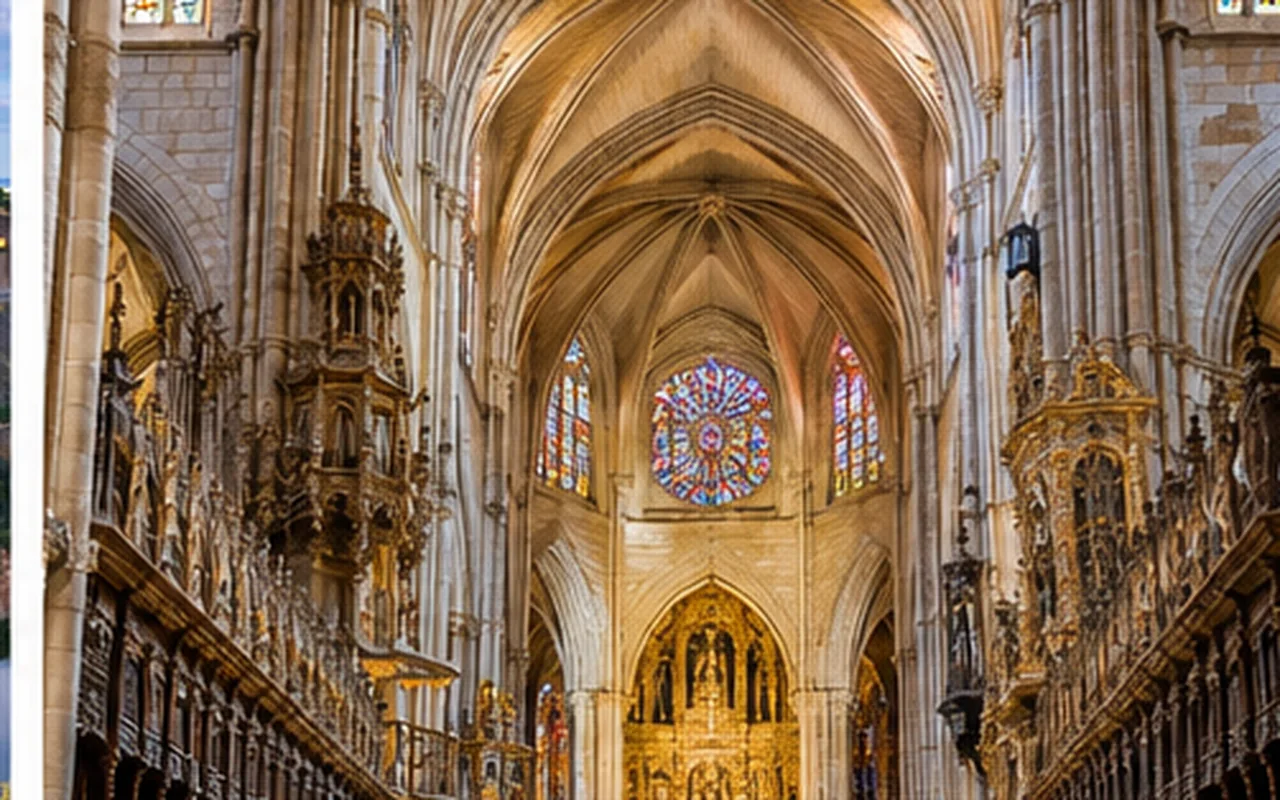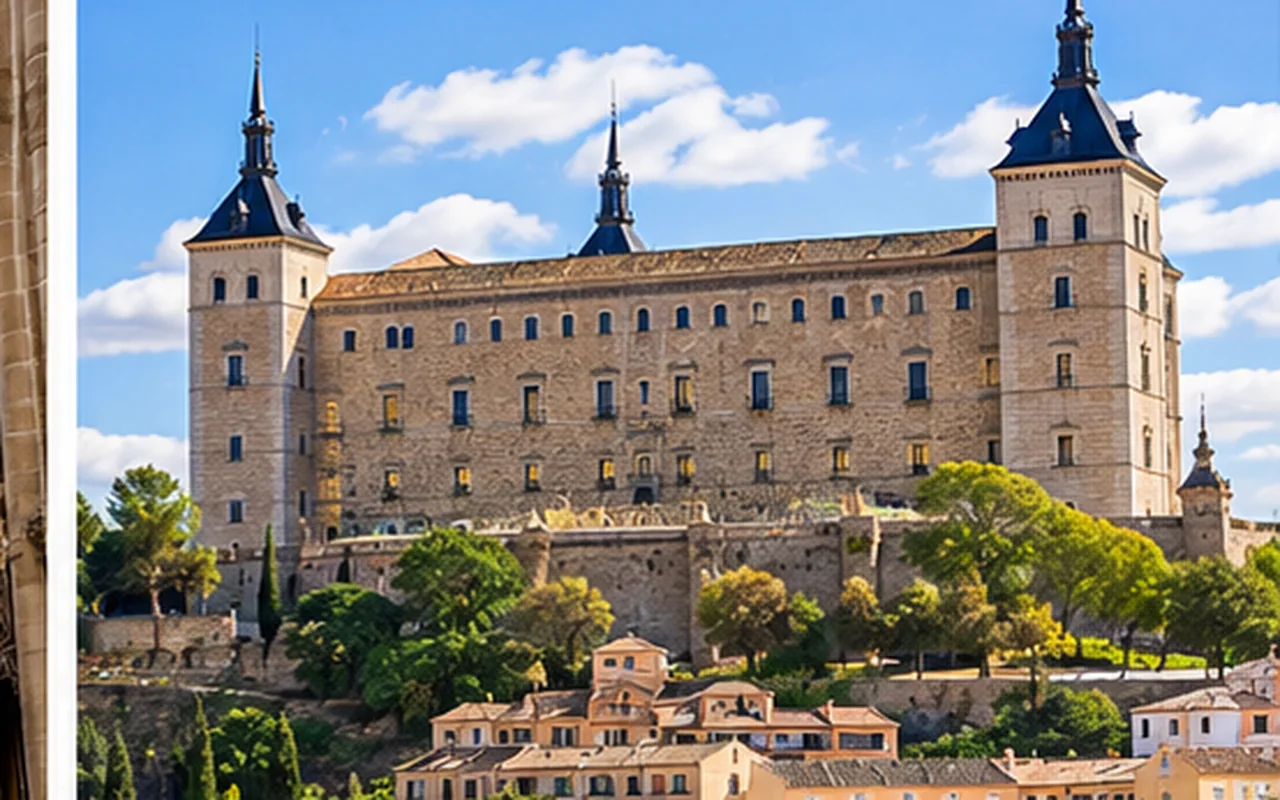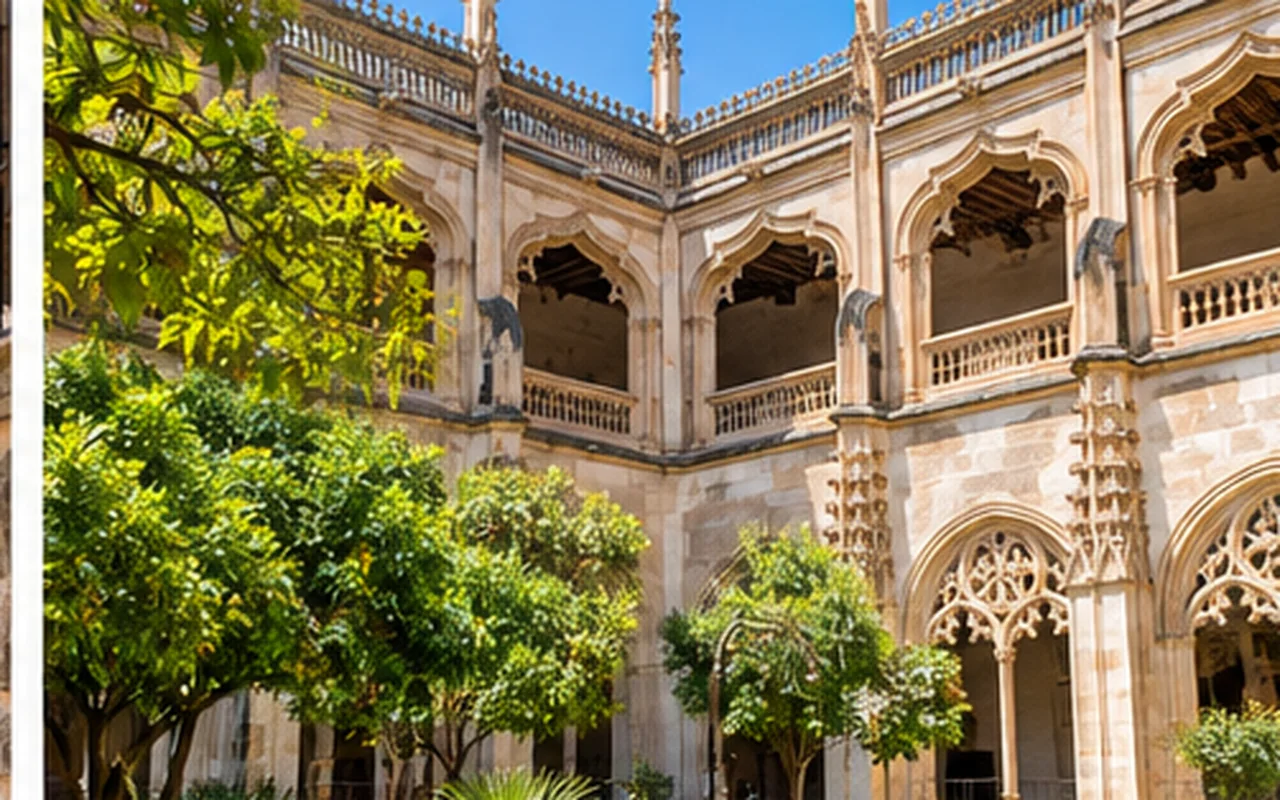
Toledo Jewish Quarter: Synagogues, El Greco and Visitor Guide
Toledo's Jewish Quarter holds two of its most important former synagogues, a church displaying El Greco's most celebrated Toledo painting and a museum dedicated to the painter. They sit within walking distance of one another, but their stories and ticket systems are different.
Visitor informationTour choices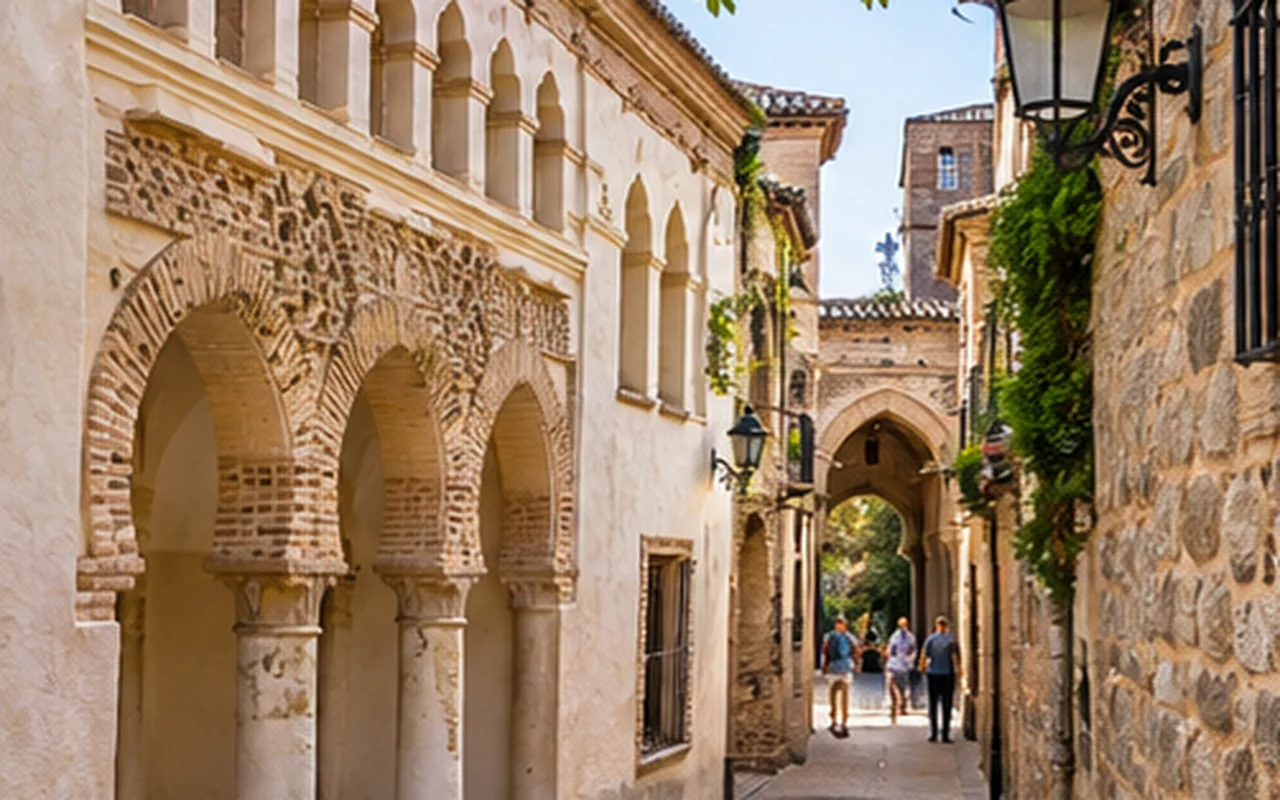
Jewish heritage and Toledo's later artistic history
Calling Toledo the city of three cultures can obscure the unequal political circumstances under which its communities lived. Jewish communities contributed to medieval Toledo's religious, intellectual and commercial life, and their buildings reveal contacts between Islamic artistic forms and Jewish religious practice. The surviving synagogues are particularly striking examples of those exchanges.
The Quarter also contains several sites associated with El Greco, whose work belongs to a later period. These should be visited as a separate historical chapter rather than treated as evidence of medieval Jewish life.
Admission and practical facts
Visitor facts checked November 2026. Refer to each official operator for the travel date.
Two synagogues: similar geography, different histories
Santa María la Blanca is renowned for its pale horseshoe arches, columns and elaborated surfaces. It was created as a synagogue and later converted to Christian use. Today it is one of the seven monuments included in the €14 Toledo Monumental wristband. Its present name reflects that later religious history.
The Tránsito Synagogue, also known as the Synagogue of Samuel ha-Leví, dates from the fourteenth century and now houses the state-run Sephardic Museum. The historic prayer hall's decorated walls form part of a broader museum visit about the Jewish communities of the Iberian Peninsula, conversion, expulsion in 1492 and the Sephardic diaspora. Crucially, the museum is not included in the Toledo Monumental wristband.
Both buildings incorporate forms that developed in Islamic and Mudéjar decorative traditions. Their architectural overlap does not mean their institutions or religious histories were interchangeable.
At the Sephardic Museum: what the visitor actually learns
The museum's permanent presentation follows the history of Jewish communities in Spain from the ancient world through the medieval centuries, the 1492 expulsion and the lives of Sephardic communities afterward. It is more than an ornate synagogue interior. Set aside time for the displays and remember that not every room is necessarily open at every hour.
The Ministry of Culture currently lists normal visiting hours Tuesday–Saturday 9:30–20:00 and Sunday/holidays 10:00–15:00, with Monday closure. The city tourism office lists general admission at €3, with free access on Saturdays from 14:00 and Sundays; a combined state-museum ticket with the El Greco Museum is listed at €5.
A special closure on Monday 2 November 2026 appears in the museum's official visitor notice. That illustrates why visitors should check the actual day rather than apply a general opening-hours table mechanically.
Santo Tomé: the painting remains in its original church
The Burial of the Lord of Orgaz was commissioned from El Greco in 1586 for Santo Tomé. The painting depicts an earthly funeral in its lower part and a visionary heavenly scene above. The congregation of recognizable figures below contrasts with the painter's elongated, supernatural forms above.
Part of the force of the work comes from seeing it in the church for which it was made. The visit is separately ticketed at €4, but Santo Tomé is included in the seven-monument wristband. The painting is not located in the El Greco Museum or the Cathedral.
Look outside at the church's brick Mudéjar tower as well. Its form helps connect the neighborhood's Christian buildings with architectural techniques that persisted after the city changed rulers.
The El Greco Museum: not the painter's original house
The nearby Museo del Greco reconstructs a setting associated with sixteenth- and seventeenth-century Toledo, but Spain's Ministry of Culture explicitly warns against presenting it as the surviving home where the painter lived. The institution developed in the early twentieth century under the patronage of the Marquis of Vega-Inclán, who acquired and restored properties near the Tránsito Synagogue.
The museum focuses on El Greco's work and the cultural world of his Toledo, including a complete Apostolate series. The official November–February schedule is Tuesday–Saturday 9:30–18:00 and Sunday/holidays 10:00–15:00, with Monday closure. General admission is €3, and the state museum has free visiting periods on Saturday afternoons and Sundays.
If you have limited time, choose between seeing the painting in situ at Santo Tomé and studying El Greco's broader production at the museum. The two experiences are complementary, not substitutes.
Organizing the walk with realistic admission choices
Start at Santo Tomé if El Greco is the priority; continue to the Tránsito Synagogue and Museo del Greco, then walk towards Santa María la Blanca and San Juan de los Reyes. The distances are manageable, but the buildings deserve more time than a quick photograph of their façades.
A paid Jewish Quarter walking tour can be valuable for explaining the religious and political shifts, but confirm whether it includes admission to the Tránsito museum, which is state-run, or only Santa María la Blanca. A pass-based city tour may mention both without entering both.
Spanish around the Jewish Quarter
La sinagoga means synagogue, el barrio means neighborhood, el cuadro means painting, and el museo means museum. A direct question is ¿Cuál de las sinagogas está incluida en la pulsera? — “Which synagogue is included in the wristband?”
For cuál, qué and quién, see interrogative pronouns.
Practice: How do you say “the painting”?
El cuadro.
Choosing a tour
Ask which former synagogue your walking tour actually enters. Tránsito (Sephardic Museum) and Santa María la Blanca use different admissions. If you already bought the seven-monument wristband, that does not settle entry to the state museum. For a guided art-focused route, ensure it stops inside Santo Tomé to see the painting.
See Jewish Quarter guided walksAffiliate disclosure: MundoDELE may receive a commission on bookings. Confirm individual tour availability, admission, language and meeting point with the operator.