
Córdoba · Fortress and gardens
Alcázar of Córdoba: Gardens, Restoration and What Is Open
At first glance, an Alcázar tour promises a medieval palace, towers and formal gardens. The crucial detail in 2026 is the restoration: the official ticketing site says visitors can currently enter the gardens only. That restriction changes the value of a guided tour — and what the visit is actually about.
Visitor detailsTours & tickets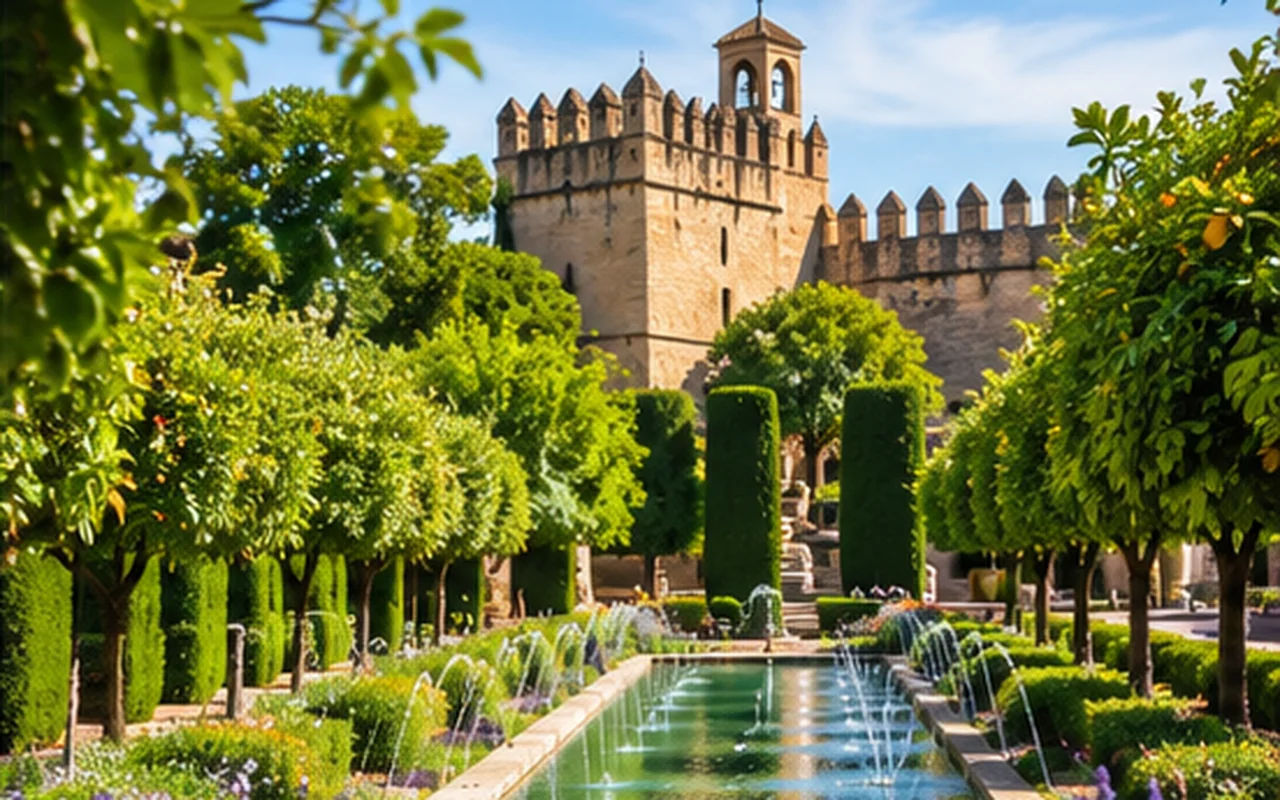
Understanding this place
The Alcázar de los Reyes Cristianos occupies a strategic position near the River Guadalquivir and the Mosque-Cathedral. Its present fortress architecture dates principally from the Christian monarchy, but the site had earlier Roman and Islamic uses. Later it served as a royal residence, a seat of the Inquisition and a prison. Its gardens, with long pools and geometric planting, offer a more serene picture of that complicated history.
Visitors choosing between a palace tour and another historic-center experience should begin with the access notice, not with a glossy tour photograph.
Before you visit
The current closure changes the visit
As checked on 1 November 2026, the official municipal ticket platform states: only the Jardines del Alcázar de los Reyes Cristianos are open. The remainder of the monument is undergoing restoration. The notice also warns that equipment belonging to an evening light-and-sound installation is visible in the gardens.
That means historic interiors, towers and rooms that appear on older websites should not be treated as available attractions. Some guided-tour listings may still contain pre-restoration descriptions. Before paying, ask the operator exactly which areas the tour currently enters and whether the ticket price has been adjusted to the limited route.
The closure is not a reason to ignore the gardens automatically. It is, however, a reason to choose the visit for its landscape design rather than for palace interiors.
Why the formal gardens are worth looking at
The water channels and reflecting pools organize the gardens into long visual axes. Cypress trees, clipped hedges and the fortress walls give the space a formal structure quite different from Córdoba's intimate flower-filled residential courtyards. The water helps define both movement and atmosphere: you are looking through a planned landscape, not simply at flowerbeds.
Look toward the walls and towers as architectural boundaries, then back along the main pools. The contrast between the enclosed fortress and the open, ordered garden tells you how the site was designed to express control and status.
The gardens are outdoors, with exposed sections that can be uncomfortable during Córdoba's hottest hours. A morning visit often fits the city's climate better than midday, particularly when you are also planning a walk across the Roman Bridge.
A fortress with more than one political life
The fourteenth-century royal fortress was commissioned under Alfonso XI. The Catholic Monarchs later used the site during the final campaigns against Granada. In subsequent centuries, it acquired darker functions, including use by the Inquisition and as a prison.
These historical layers matter because the gardens alone can make the Alcázar look like a purely decorative monument. The fortress setting and later institutions remind visitors that this was also a place of government, justice and detention. When the closed areas eventually reopen, these distinct uses should form the basis of a fuller architectural tour.
How to fit the gardens into the old town
The Alcázar is within a short walk of the Mosque-Cathedral and San Basilio. Combining it with the cathedral is practical geographically, but the two experiences are very different in scope. If your available time is limited, visit the cathedral first and decide whether the gardens are still attractive once you know the current opening hours and price.
The Córdoba patios offer an interesting comparison: domestic courtyards are shaped by residents and everyday life, whereas Alcázar's long pools and clipped hedges belong to a formal palatial landscape.
A little Spanish that helps here
Asking what is open
At the ticket office, ¿Qué partes están abiertas? means “Which parts are open?” and ¿Se pueden visitar las torres? asks whether the towers can be visited. If staff answer Solo los jardines, the visit is restricted to the gardens.
This use of estar for a temporary condition connects directly to MundoDELE's Ser & Estar lesson.
Choose a tour for the right reason
Important: The historic monument is not fully open. The official site specifies garden-only access. If a third-party tour advertises palace rooms, towers or historic interiors, do not buy on that basis without confirmation from the operator. A broader historic-center walking tour may offer a better return while restoration continues.
Compare Córdoba tours and current availabilityMundoDELE may receive a commission from GetYourGuide bookings. Check tour dates, inclusions and restrictions before payment.
Official sources used for this guide
- Official Alcázar restoration and ticket notice
- Spanish national tourism portal: Alcázar gardens
- UNESCO: Córdoba's historic center
Visitor information verified November 2026. Follow the linked operator's current timetable before booking.
Explore more of Córdoba
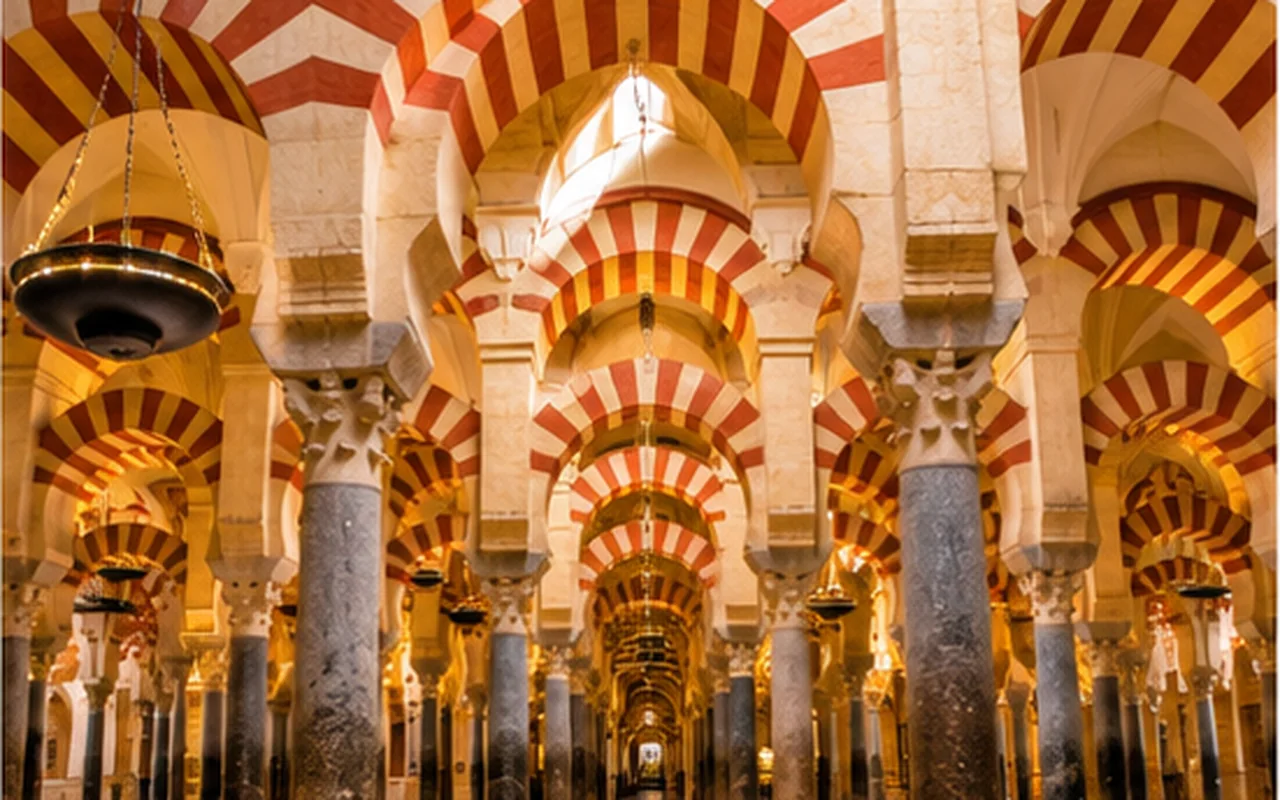 Mosque-Cathedral of CórdobaTickets, building phases and what to look for
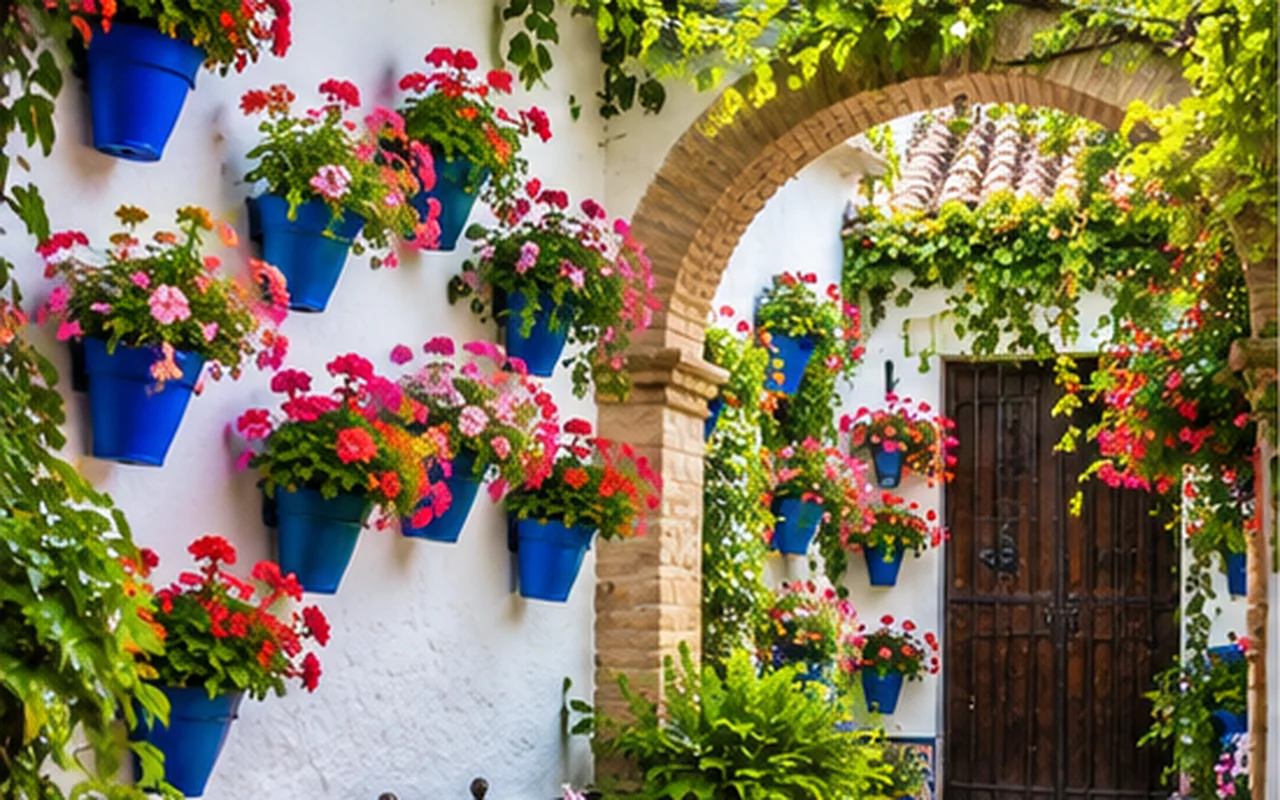 Córdoba patiosFestival visits, private courtyards and Viana
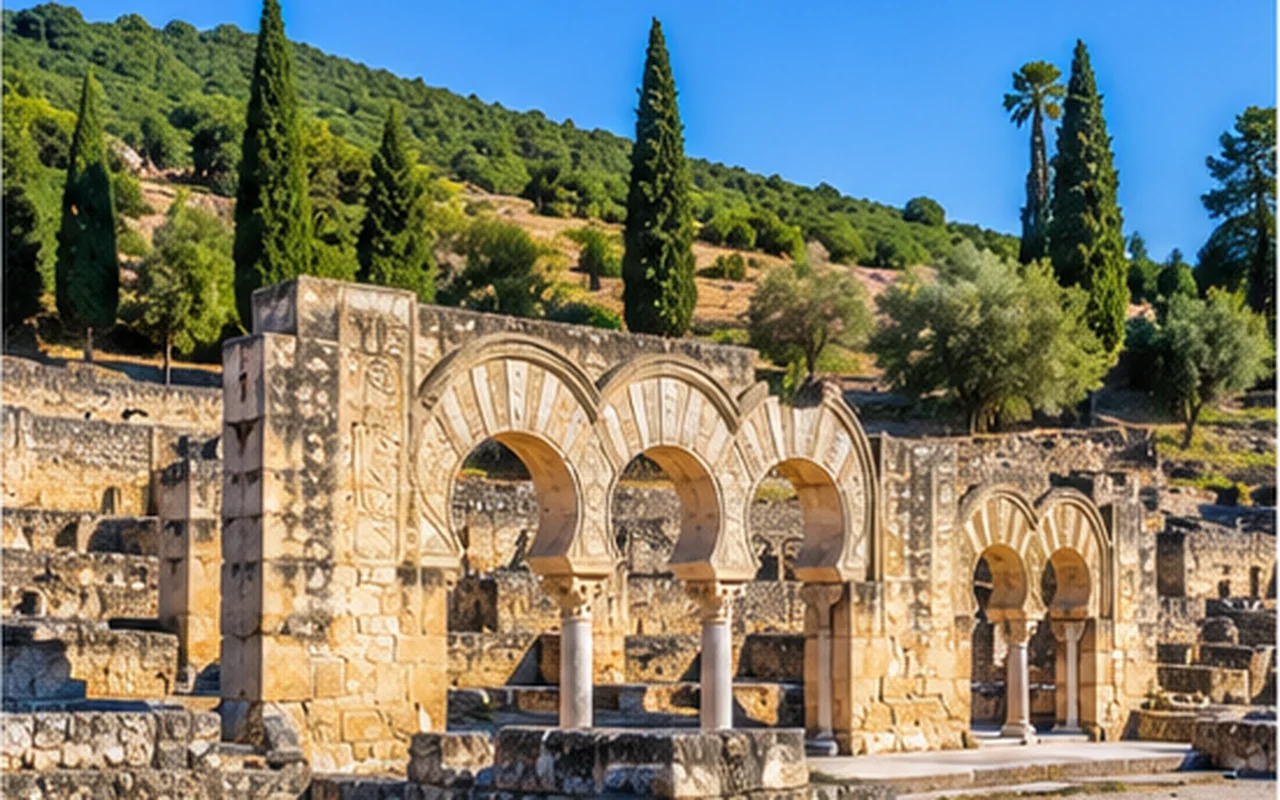 Medina AzaharaA caliphal city and an archaeological visit
Córdoba city guide · Andalusia travel guide · Spanish lessons