
Cordoba · The Great Mosque and Cathedral
Córdoba Mosque-Cathedral: Tickets, Architecture and Visiting Hours
The interior does not tell one neat story. Its rows of red-and-white double arches belong to different building campaigns, while a large Christian cathedral rises through the former Islamic prayer hall. Visitors who understand that arrangement will see considerably more than a striking collection of columns.
Visitor detailsTours & tickets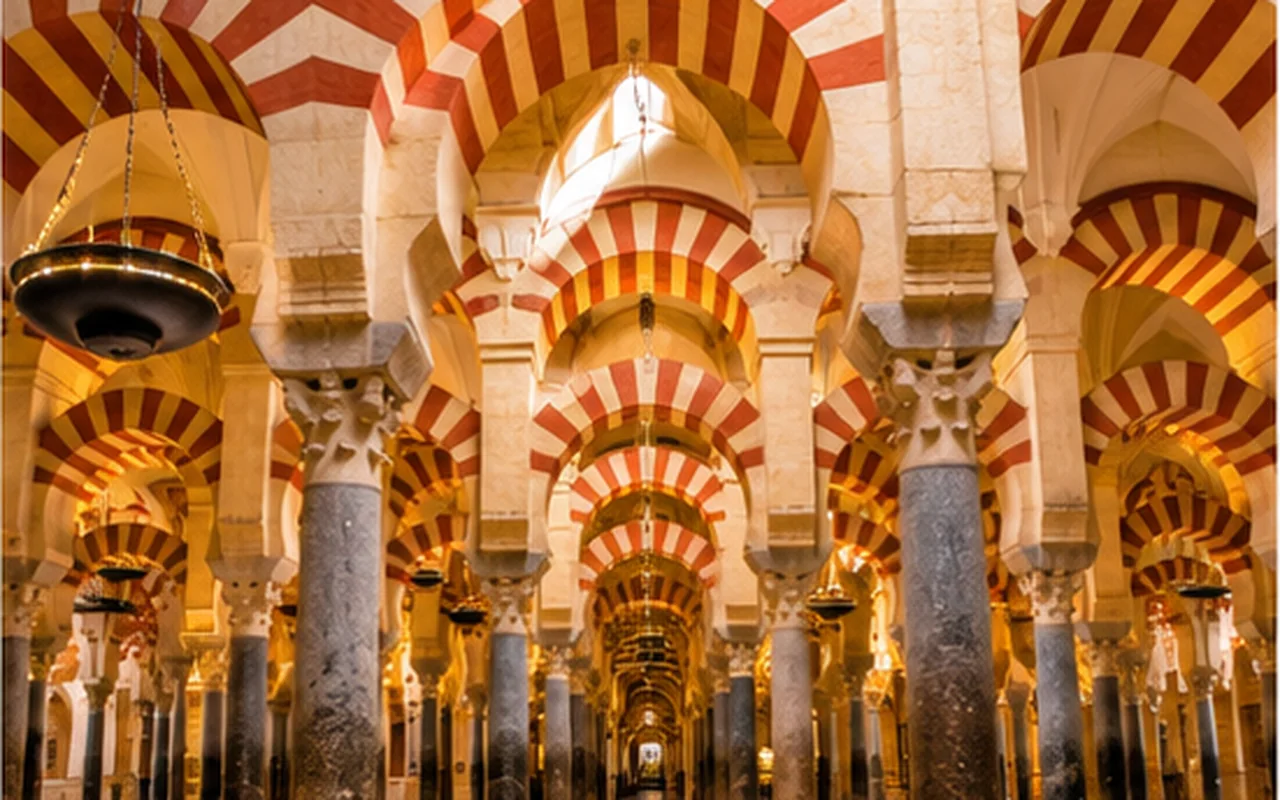
Understanding this place
The Mosque-Cathedral stands on the site of the former basilica of San Vicente. The Umayyad ruler Abd al-Rahman I initiated the great congregational mosque in the eighth century. His successors enlarged the complex as Córdoba grew in political and religious importance. After the Castilian conquest in 1236, the building became a Christian cathedral; in the sixteenth century, major Renaissance construction changed its center.
These phases are still legible in the architecture. That is why the monument deserves more than an hour spent searching for familiar photography angles. Its contrasts are the point.
Before you visit
Read the building from the arches toward the cathedral
The recurring double arches help create height without unusually tall columns. Earlier Roman and Visigothic materials were reused, and the alternating stone and brick bands produce the rhythm now associated with Córdoba's mosque. The effect is especially strong when you look diagonally across the hall rather than straight down a single aisle.
Move from this repetitive structure toward the richly decorated area around the mihrab. Here the architectural vocabulary changes: intricate surfaces, interlaced arches and a different sense of ceremonial focus. These additions are closely associated with the period of al-Hakam II in the tenth century, when the Umayyad caliphate was at its height.
The Renaissance cathedral is deliberately different. Its choir, nave and vertical proportions occupy space within the former mosque, reflecting a later religious and political order. The building is a physical record of successive authorities rather than a monument frozen at one date. UNESCO identifies precisely this combination of engineering, artistic influence and historical layering as part of the site's universal value.
Tickets: official entry, free morning access and commercial tours
The monument's official ticket website is the starting point for admission prices and opening hours. It lists a regular adult admission of €15 at the November 2026 check, plus reductions and exemptions for eligible visitors. Commercial guided tours are separate products: some include the ticket in their price and others do not.
There is a limited free-visit period from Monday to Saturday, normally 8:30–9:30 a.m. This excludes extraordinary celebration dates and does not allow organized groups. Entry ends at 9:20 a.m., so turning up at the end of the window is a poor plan. The daily timetable also changes for worship and special events; the official calendar for your date takes precedence over a general guide.
The bell tower is a separate decision. Confirm whether tower access is offered and included; do not infer this from the headline of a Mosque-Cathedral guided tour.
A more rewarding order for the visit
Begin with the Patio de los Naranjos and its relationship to the prayer hall. Once inside, pause among the early double arches, then compare them with the more elaborate areas closer to the mihrab. End at the Christian cathedral space, where the change in light, height and ornament makes the successive phases unmistakable.
If architecture is your main interest, a knowledgeable guide can make these distinctions clearer. If you have a strong interest in photography, a self-guided visit gives more freedom to stop. In either case, allow enough time to read the building rather than trying to combine it with every attraction on a single ticket.
At the exit you are already in the historic center: the Judería, streets leading toward the Alcázar, and the short walk to the Roman Bridge are natural next steps. For a first visit, a second scheduled monument immediately afterward often adds more haste than value.
What visitors should check on the actual day
Opening hours can change for liturgical celebrations. Respect the dress and conduct requirements of a working cathedral, and follow the current rules on photography and movement inside. Independent visitors can consult the official map and audio guide information before arrival.
For families and visitors with limited mobility, consult the official visitor services page rather than assuming every section has identical access. The monument lists facilities and visitor information in several languages, including English.
A little Spanish that helps here
Reading a ticket in Spanish
Entrada general means standard admission, while visita guiada is a guided visit. These are not interchangeable. To ask a question before paying: ¿La entrada está incluida en la visita guiada? — Is admission included in the guided tour?
The phrasing está incluida uses estar with a feminine participle because entrada is feminine. MundoDELE explains the underlying distinction in Ser & Estar.
Practice: Complete ¿La entrada ___ incluida? estáAnswer
Choose a tour for the right reason
The guide is worth paying for when you want to trace the changes between Islamic and Christian architectural phases. Compare the admission inclusion, guide language and exact entrance point before you book. For a quiet independent visit, buy official admission directly.
See Mosque-Cathedral guided visitMundoDELE may receive a commission from GetYourGuide bookings. Check tour dates, inclusions and restrictions before payment.
Official sources used for this guide
- Official history and building phases
- Official tickets, calendar and services
- UNESCO: Historic Centre of Cordoba
Visitor information verified November 2026. Follow the linked operator's current timetable before booking.
Explore more of Córdoba
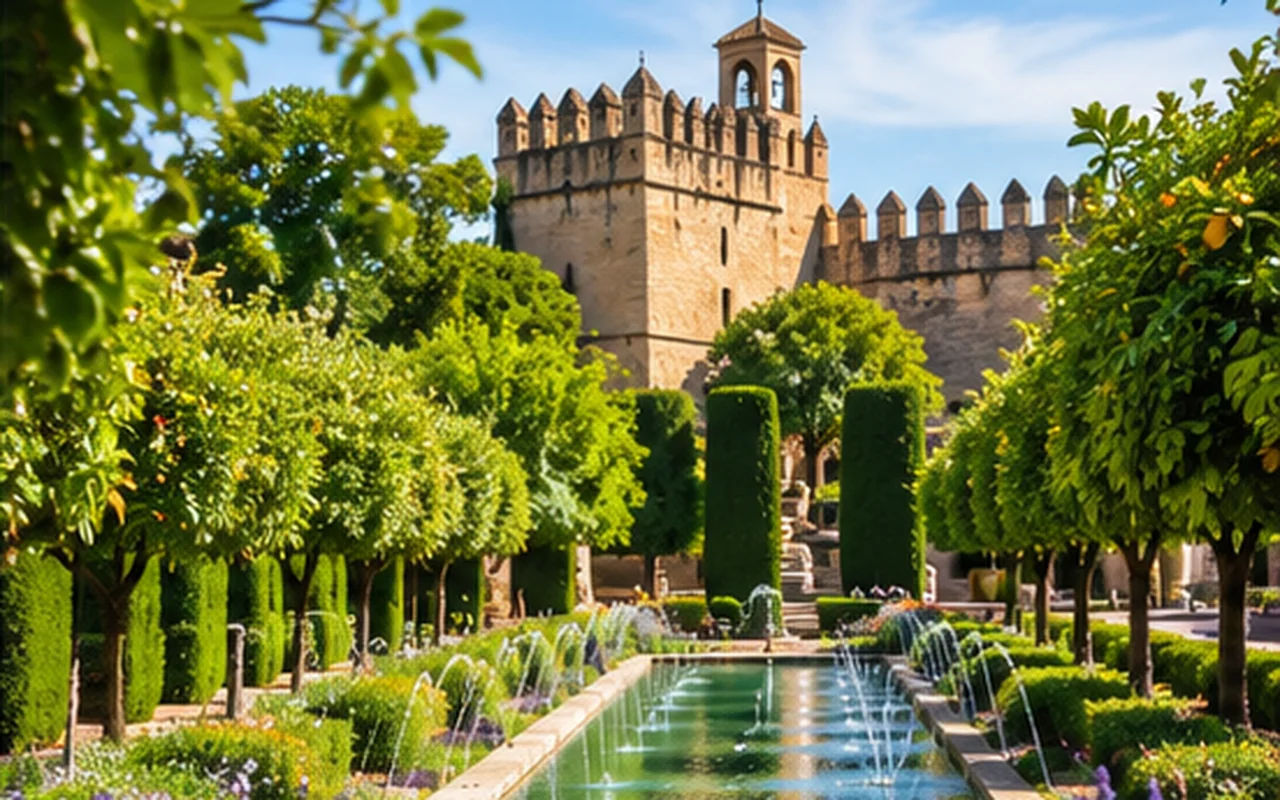 Alcázar of CórdobaGardens, closure notice and palace history
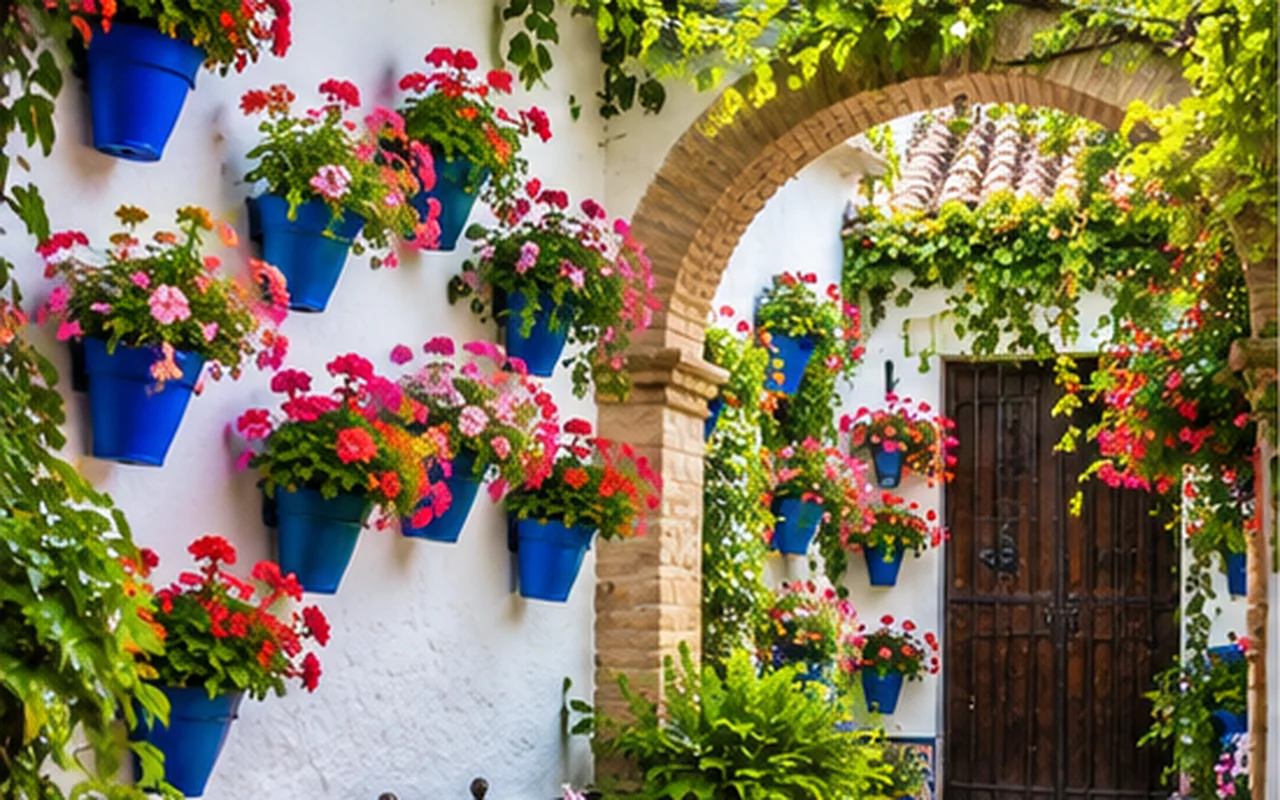 Córdoba patiosFestival visits, private courtyards and Viana
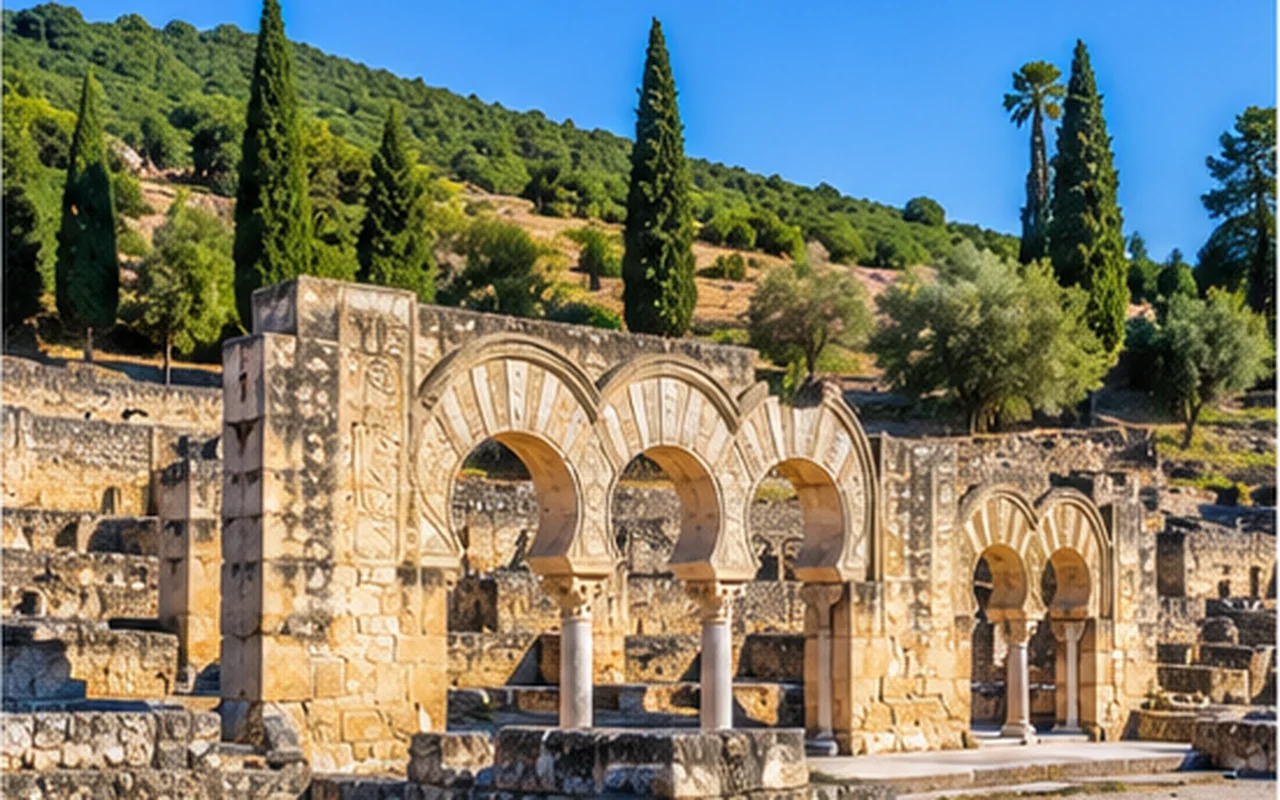 Medina AzaharaA caliphal city and an archaeological visit
Córdoba city guide · Andalusia travel guide · Spanish lessons