
Spain · Catalonia · Costa Brava · Empúries · Greek & Roman Ruins
Empúries Travel Guide: Greek & Roman Ruins by the Sea
Updated: July 2026 · Greek city, Roman city, museum, tickets, beaches and Costa Brava routesEmpúries is one of the most unusual places on the Costa Brava: Greek ruins, Roman streets, mosaics, a museum and the Mediterranean in the background.
This guide helps you plan the visit clearly: what to see first, how much time to allow, when to go, what to combine nearby and how to make Empúries part of a wider Costa Brava trip.
1 · Quick decision
What kind of Empúries visit fits you?
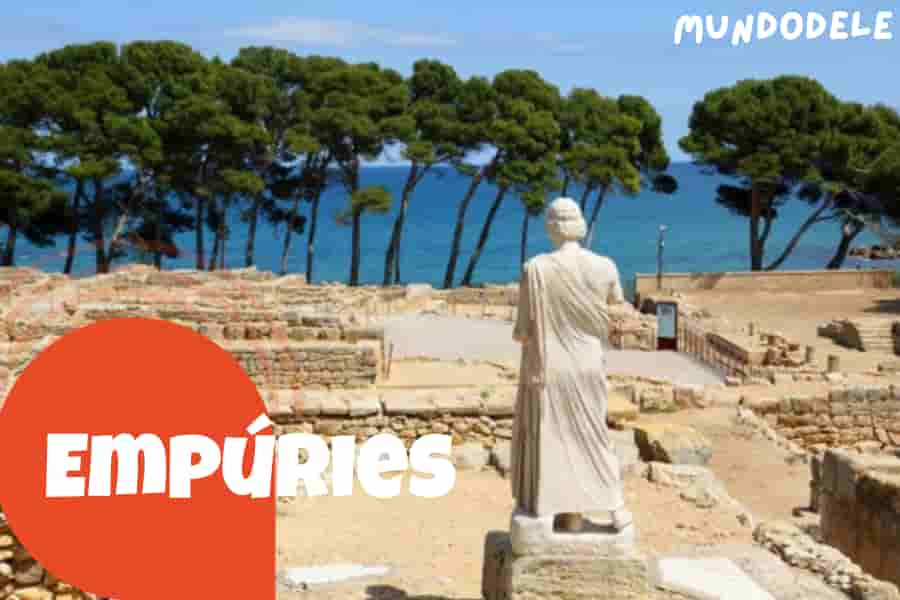
Greek and Roman layers
For travelers who want the main reason to come: Greek Emporion, Roman Emporiae, mosaics, streets and museum pieces.
See what matters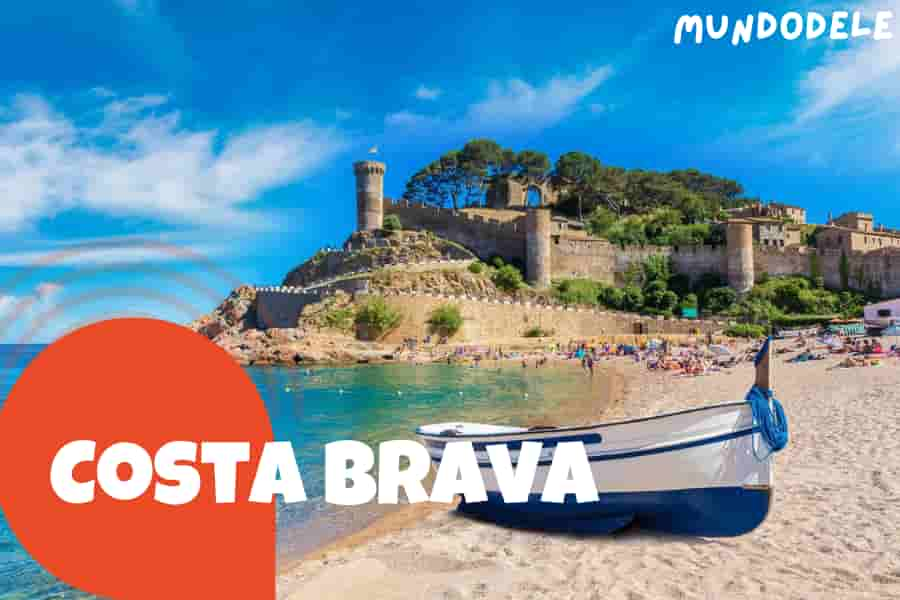
Ruins plus beach day
For a relaxed day: visit Empúries before the heat, then swim, eat nearby and keep the afternoon light.
Costa Brava guide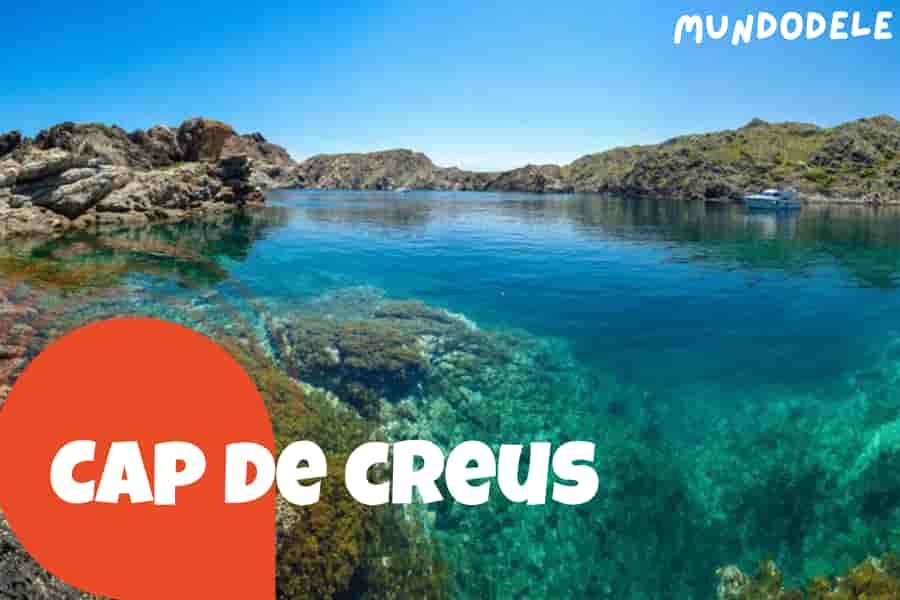
Empúries as a route stop
For a northern Costa Brava route with L’Escala, Empúries, Cadaqués, Cap de Creus and coastal landscapes.
Cap de Creus guide
Barcelona, Girona & coast
For travelers building a Catalonia trip: city first, then Girona, Costa Brava and one strong cultural stop.
Barcelona guide2 · Updated July 2026
Current Empúries tickets, hours and visit notes
Summer opening: 10:00–20:00
From 1 June to 30 September, Empúries is listed by the MAC as open Monday to Sunday from 10:00 to 20:00. Always check the official page before you go.
Check official MAC Empúries pageNormal admission: 7 €
The official Catalan heritage information lists normal admission at 7 €, reduced admission at 5 €, and free entry for visitors under 16.
Check official heritage informationGreek city, Roman city and museum
Empúries is not only a ruin field. You can walk the Greek town, the Roman town and the archaeological museum in one visit.
Check L’Escala visitor information3 · What to see
Empúries in three layers: Greek city, Roman city and museum
Emporion by the sea
The Greek part gives Empúries its special coastal feeling: streets, sacred spaces, houses, workshops and the sea close by. This is the most atmospheric part of the visit.
Forum, baths, houses and grid
The Roman city is easier to read as an urban plan: streets, forum, public buildings, bath areas, houses and mosaics show a different scale of power and daily life.
Objects that make the ruins readable
The museum helps connect stones with people: coins, ceramics, sculpture, mosaics and smaller objects explain trade, religion, homes and daily routines.
Look down, not only ahead
Empúries is strong for mosaics. Slow down in domestic areas and look for floor patterns, thresholds, drainage lines and the small details that make rooms understandable.
The famous sculpture
The Asclepius sculpture is one of the key museum references. It gives the site a strong link between archaeology, religion and Mediterranean exchange.
History with horizon
The site feels different from many inland ruins because the Mediterranean is part of the visit. The light, wind and sea make the history easier to imagine.
4 · Visit route
How to walk Empúries without getting lost in details
90 minutes
- Greek city highlights
- Roman forum area
- Quick museum stop
- Sea viewpoint
Works if Empúries is one stop in a wider Costa Brava route.
2–3 hours
- Greek sector near the sea
- Roman city and mosaics
- Museum and Asclepius
- Slow final walk outside
The best choice for most travelers. You see the important parts without rushing.
Ruins plus coast
- Morning visit at Empúries
- Lunch near L’Escala
- Beach or coastal walk
- Sunset stop on the coast
Best if you want Empúries to feel like part of the Costa Brava, not just a museum visit.
5 · Coast pairing
How to combine Empúries with the Costa Brava
Ruins first, beach second
Empúries works best when the history comes before the swim. Visit while your energy is high, then use the afternoon for lunch, shade and the sea.
- Morning: Greek and Roman site
- Midday: lunch near L’Escala
- Afternoon: beach, short walk or rest
- Evening: stay on the coast if possible
Do not add too much driving
Empúries is better with nearby coastal stops than with a rushed long-distance itinerary. Choose one extra place, not five.
- Good pair: Empúries + L’Escala
- Good pair: Empúries + beach lunch
- Good pair: Empúries + Cap de Creus on another day
- Better avoided: ruins, Cadaqués and Barcelona all in one day
6 · Bookable activities
Compare Costa Brava tours and nearby activities
Empúries itself is usually best booked through official museum channels. For a wider day, compare Costa Brava tours, boat trips, walking routes and day trips from Barcelona.
7 · Timing
Best time to visit Empúries
March to May
Good for comfortable walking, flowers, softer light and fewer people. The sea may still be cool.
June
Strong choice for long daylight, warmer coast and easier planning before peak summer.
July and August
Go early or late. Bring water, hat and sun protection. Combine with beach time, but avoid the hottest hours among the ruins.
September to October
Often excellent: warm sea, softer crowds and good light for photography.
8 · Orientation
Empúries map in your head
Think of Empúries as a coastal history stop rather than a closed museum. The site sits near L’Escala and works naturally with beaches, coastal walks and northern Costa Brava route planning.
9 · Spanish for travelers
Useful Spanish for Empúries
Useful words
- las ruinas – the ruins
- el museo – the museum
- la entrada – ticket
- la visita guiada – guided tour
- el mosaico – mosaic
- la ciudad romana – Roman city
Useful phrases
- ¿Dónde empieza la visita? – Where does the visit start?
- ¿La entrada incluye el museo? – Does the ticket include the museum?
- ¿Cuánto dura la visita? – How long does the visit take?
- ¿Hay visitas guiadas en inglés? – Are there guided tours in English?
More: Learn Spanish with MundoDELE.
10 · Continue planning
Plan more of Empúries, the Costa Brava and Catalonia
Costa Brava Travel Guide
Coves, cliff paths, seaside towns, route planning and slow coastal days.
Open Costa Brava guide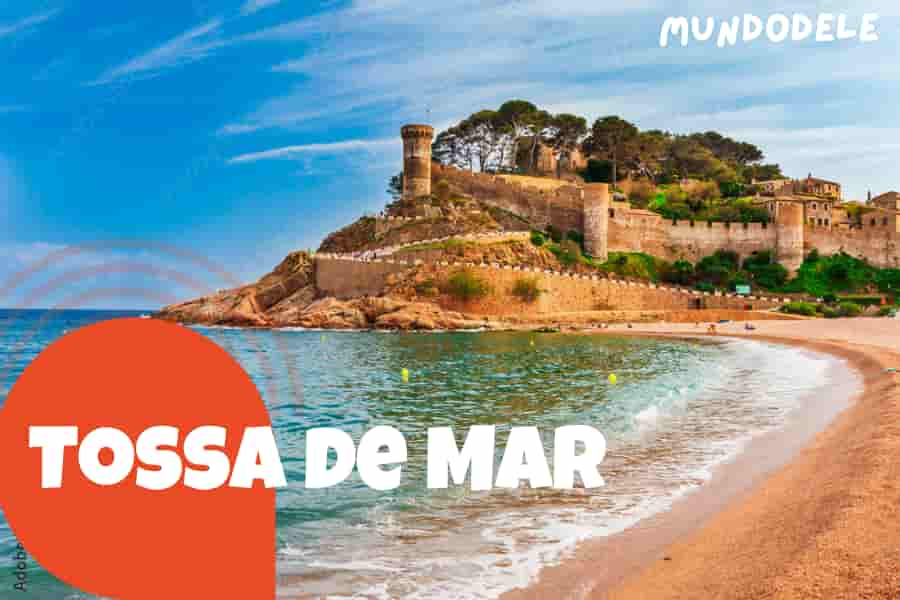
Tossa de Mar
One of the most photogenic Costa Brava towns with walls, beach, coves and old-town atmosphere.
Open Tossa guide
Cap de Creus
Wild northern coast, rocks, clear water, Cadaqués routes and dramatic Costa Brava landscapes.
Open Cap de Creus guide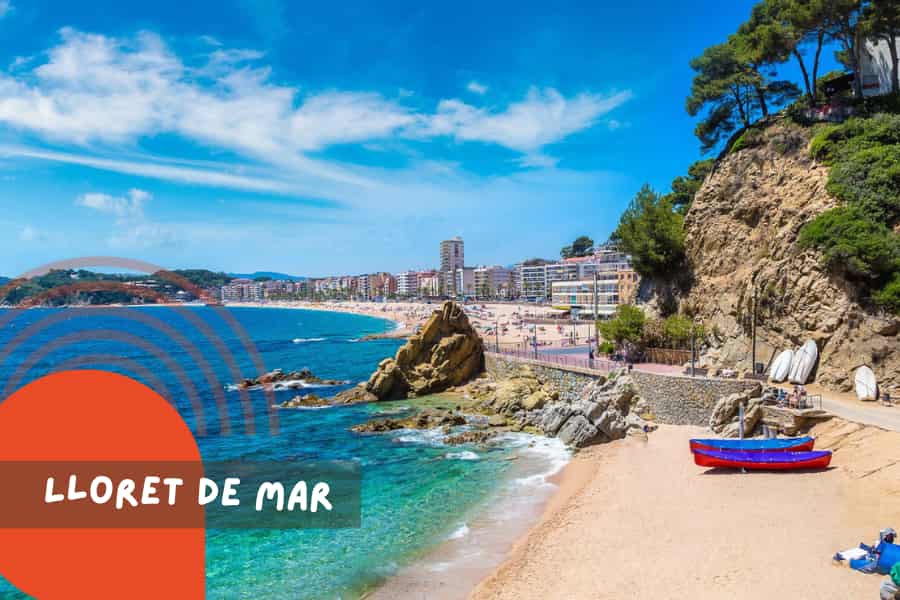
Lloret de Mar
Practical Costa Brava base for tours, boat trips, beaches and easy day plans.
Open Lloret guide
Barcelona Travel Guide
Gaudí, Gothic Quarter, tapas, beaches and Catalonia day trips before or after Empúries.
Open Barcelona guide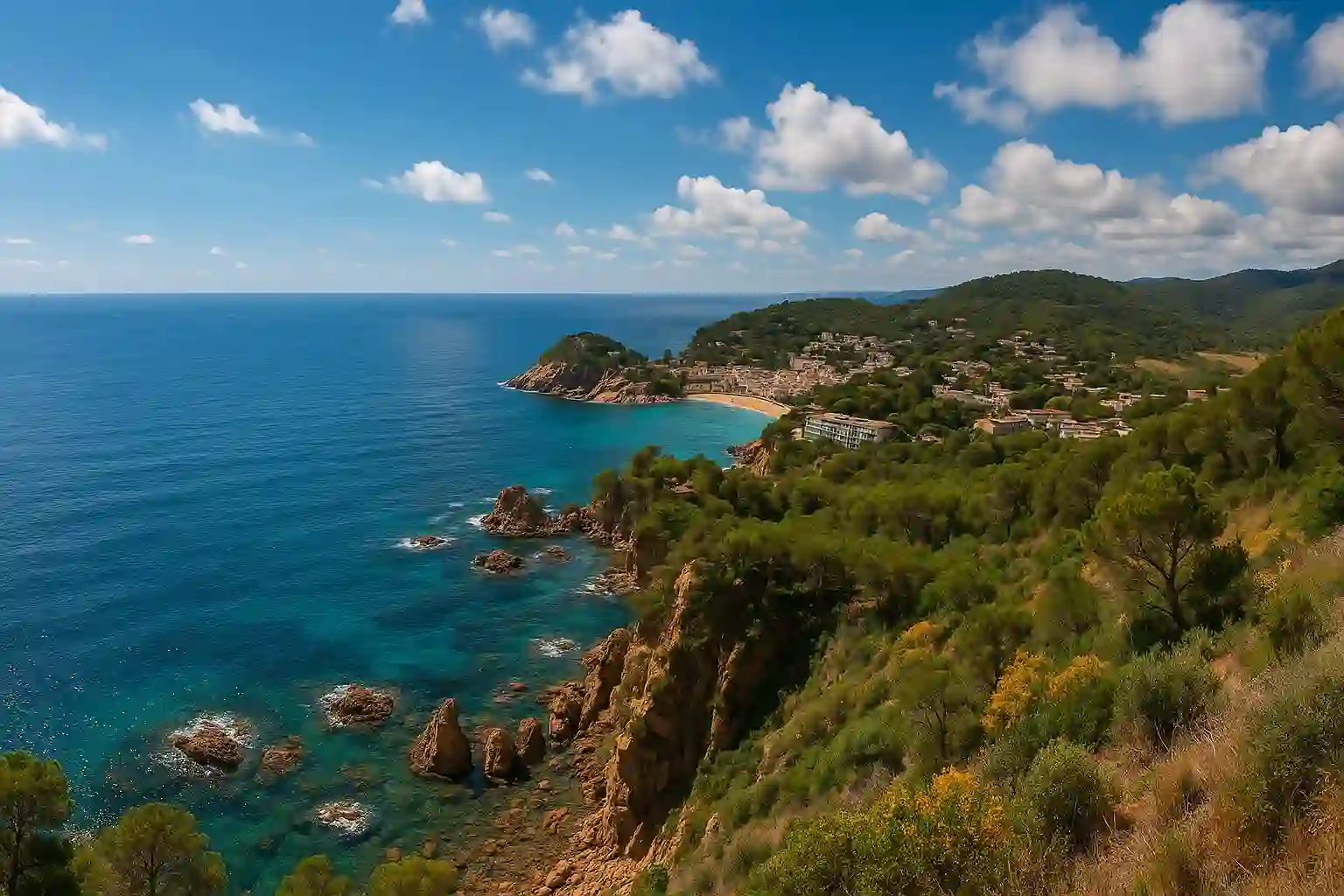
Catalonia Travel Guide
Use this for Barcelona, Costa Brava, Girona, Montserrat, food, coast and route planning.
Open Catalonia guide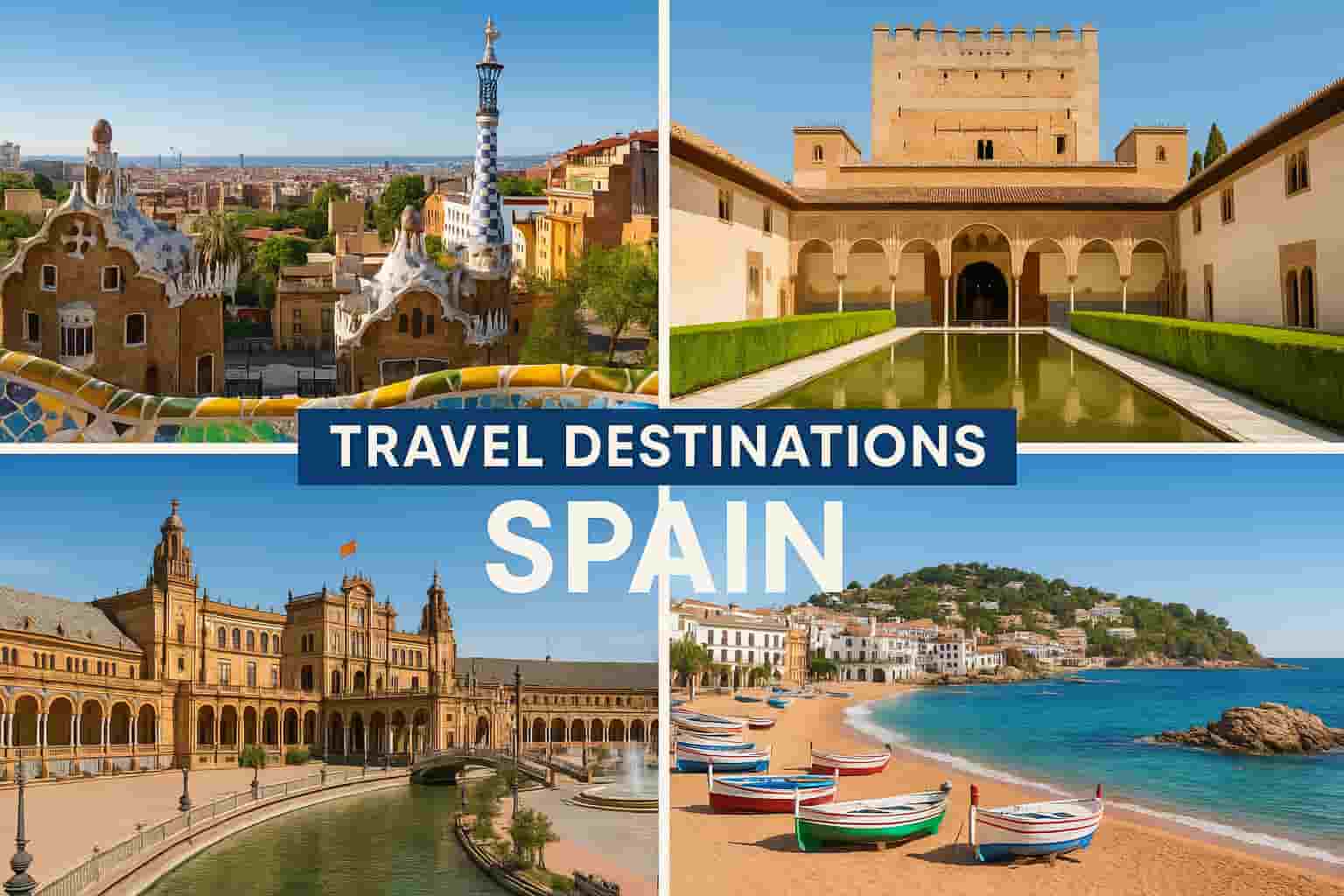
Spain Destinations
Continue with Andalusia, Madrid, Valencia, the Balearic Islands, North Spain and more.
Open Spain destinationsLearn Spanish
Prepare useful Spanish for tickets, cafés, restaurants, transport and travel questions.
Learn SpanishMAC Empúries
Official information for opening hours, tickets, activities, services and visit planning.
Open official siteFAQ
Frequently asked questions about Empúries
How long do you need for Empúries?
Plan at least two hours. Three hours are better if you want to see the Greek city, Roman city and museum without rushing.
What can you see at Empúries?
You can visit the Greek city, the Roman city and the museum of the Archaeology Museum of Catalonia. Highlights include mosaics, the Roman forum, baths, houses and the Asclepius sculpture.
Is Empúries suitable for children?
Yes. The site is open-air, visual and close to the sea. Bring hats, water and a simple route so children do not get tired in the sun.
Can you combine Empúries with a beach day?
Yes. Visit the ruins in the morning or late afternoon, then add lunch, a swim or a coastal walk nearby.
Do you need a guide?
Not strictly. You can visit independently, but a guide helps if you want to understand the Greek and Roman layers, the city plan, mosaics and daily life.
What should you wear?
Comfortable shoes, sun protection and light clothes. The ground can be uneven and shade is limited among the ruins.
Short conclusion
Empúries is best as history by the sea
Come for the Greek and Roman ruins, but plan the day like a Costa Brava day: ruins first, then lunch, coast, light, beach or a short walk.