
Tossa de Mar Travel Guide: Castle Walls, Coves and Slow Costa Brava Afternoons
Why Tossa de Mar Is Worth Visiting
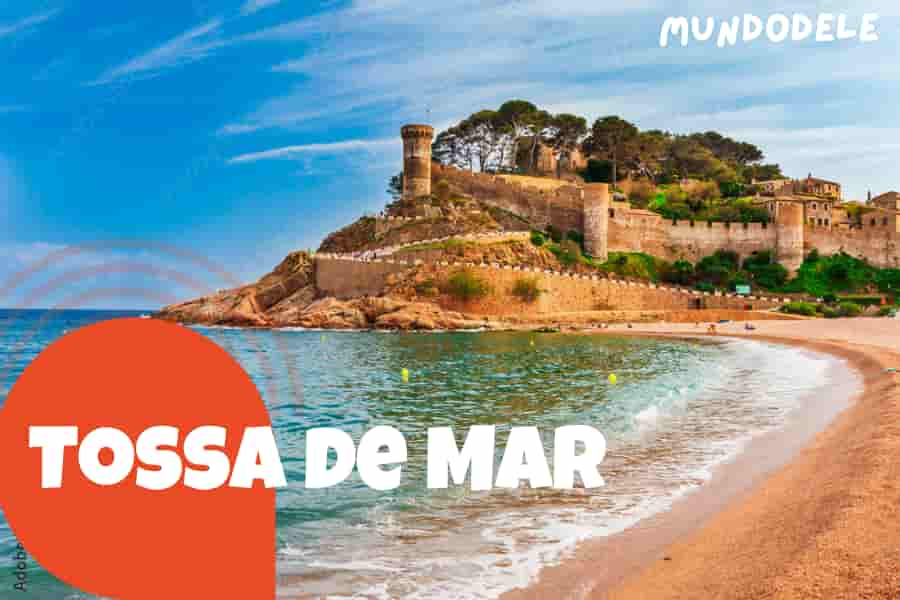
Tossa de Mar sits where green hills meet a protected bay. The first impression is visual: stone walls above the beach, towers on the headland, clear water below and white houses behind the promenade. But the town works best when you slow down. It is not only a place to photograph. It is a place to walk, swim, sit, return, and let the day change with the light.
Compared with larger Costa Brava resorts, Tossa feels more contained. You can cross from the old town to the beach in minutes, climb to the lighthouse before dinner, swim early in the morning and still have enough time for a relaxed lunch. That compactness makes it ideal for travellers who want a base with atmosphere rather than a purely functional beach resort.
Vila Vella: The Walled Old Town
The heart of Tossa is Vila Vella, the medieval walled quarter above the sea. Stone lanes climb between houses, small corners open towards the bay, and the towers frame the coast from several angles. Early morning and sunset are the best times to walk here, because the light softens the walls and the old town feels less crowded.
You can explore independently, but a guided visit adds context. It helps connect the walls, defensive towers, fishermen’s paths and old stories into a clearer picture. For travellers who like history but dislike heavy museum-style explanations, Tossa’s old town is a good match: visual, compact and easy to understand on foot.
Old Town Context
Tossa de Mar: A Journey Through Time Guided Visit
A guided walk through Vila Vella, the old town walls and the historical layers of Tossa de Mar. Best for visitors who want more context than a simple photo stop.
View Old Town Tour →Best Beaches and Coves in Tossa de Mar
Tossa’s beaches are not all the same. Platja Gran is the easy main beach, directly below the town, with facilities, lifeguards in season and a wide view of the walls. Es Codolar is smaller and more atmospheric, tucked beneath the old quarter. The coves outside town feel more natural and are better if you want pine, rocks and quieter water.
Platja Gran
The broad town beach. Best for families, easy swimming, beach cafés and classic views of the walled headland.
Es Codolar
A smaller cove below the old town walls. Best for atmosphere, photos and a quick swim after walking Vila Vella.
Cala Llevadó
A pine-backed cove outside the centre. Best with an early start in summer and suitable footwear for the approach.
Cala d’en Carlos
Smaller, quieter and more sheltered. Good for travellers looking beyond the main town beach.
Diving, Snorkelling and Time on the Water
Tossa is a good place for first contact with the underwater Costa Brava. The coast has rocks close to shore, clear sections of water and enough marine life to make even a short snorkel interesting. If you have never tried diving, an introductory scuba experience keeps the process structured: instruction, practice and a guided first dive.
For simpler days, bring a mask and snorkel to rocky edges around Es Codolar or smaller coves. The point is not to chase an extreme activity. It is to see how different the coast feels from the waterline.
Beginner Friendly
PADI Discovery Scuba Diving in Tossa de Mar
A first diving experience for beginners on the Costa Brava, with instruction and a guided dive. Good for curious travellers who want more than a beach day.
View Scuba Experience →Walks, Viewpoints and Slow Routes
The best walks in Tossa are short but rewarding. The lighthouse route gives you the essential perspective: beach, walls, old town and open sea in one circuit. From there, you can extend towards coves and pine-covered paths, but there is no need to turn the day into a forced hike.
- Lighthouse loop: the simplest route for first-time visitors and sunset views.
- Es Codolar viewpoint: short and photogenic, especially early in the day.
- Cala Pola direction: a coastal stretch with classic Costa Brava scenery.
Wear shoes with grip, especially if you leave the promenade. The coast can be dusty, rocky and hot from May to September.
When to Go and How to Plan Your Day
May, June, September and October are the most balanced months: warm enough for swimming, comfortable for walking and less intense than peak summer. July and August have more energy but also more pressure on beaches, restaurants and parking. Winter is quiet and atmospheric, especially for photography and slow walks.
A simple one-day rhythm
- Morning: swim at Platja Gran or Es Codolar before the beach fills.
- Late morning: walk Vila Vella and climb towards the lighthouse.
- Midday: long lunch in shade, not rushed sightseeing.
- Afternoon: cove, snorkel, diving experience or short coastal walk.
- Evening: return to the walls for golden light and a quiet dinner.
Spanish, Catalan and Small Travel Phrases
Tossa is in Catalonia, so Catalan and Spanish both shape local life. For travellers, a few Spanish phrases are enough to make simple encounters warmer: greetings, ordering, asking for directions, thanking people and confirming times. That is very much in the MundoDele spirit: travel is easier when language is not treated as decoration, but as part of the experience.
Useful phrase: ¿A qué hora sale el autobús? — What time does the bus leave?
For structured preparation before a Spain trip, see private Spanish lessons or Spanish learning resources.
Plan the Wider Costa Brava Route
Tossa works well as part of a wider Costa Brava route. If you are staying nearby, combine it with Lloret de Mar for boat trips, Blanes for gardens, Girona for a city day, or the general Costa Brava guide for a broader itinerary.
Regional overview for planning towns, coves and day trips.
Useful nearby base for tours, nightlife and group travel.
Boat and catamaran options along the same coast.
Good addition for botanical gardens and a gentler coastal day.
FAQ: Tossa de Mar Travel Guide
Is Tossa de Mar worth visiting?
Yes. Tossa combines a medieval walled old town, a broad main beach, nearby coves and a slower rhythm than many larger beach resorts.
How long should I stay in Tossa de Mar?
One full day covers the essentials. Two to three days are better if you want time for coves, coastal walks, diving or a guided old town visit.
Which beaches are best in Tossa de Mar?
Platja Gran is best for easy facilities, Es Codolar for atmosphere below the walls, and Cala Llevadó or Cala d’en Carlos for smaller cove settings.
Can beginners try diving in Tossa de Mar?
Yes. Beginner diving experiences are available and usually include instruction, shallow-water practice and a guided first dive.
Do I need a guide for Vila Vella?
No, but a guided visit is useful if you want historical context and details you might miss when walking alone.
How do I get there from Barcelona without a car?
Regional buses connect Barcelona and Girona with Tossa de Mar. Once in town, the old quarter, beach and main viewpoints are walkable.
Tossa de Mar Rewards Slow Travel
Walk the walls, swim early, leave time for the light to change — and use the coast as more than a backdrop.
Explore the Costa Brava Guide →