Medieval Jewish heritage · Segovia
Segovia Jewish Quarter: Former Synagogue and Sephardic History
Segovia's Jewish Quarter deserves a visit for what can still be understood from its streets and buildings, not for a vague idea of medieval 'three-culture harmony'. The interpretation center and the former main synagogue offer two different ways to study a community that was expelled in 1492.
Visitor detailsGuides & tickets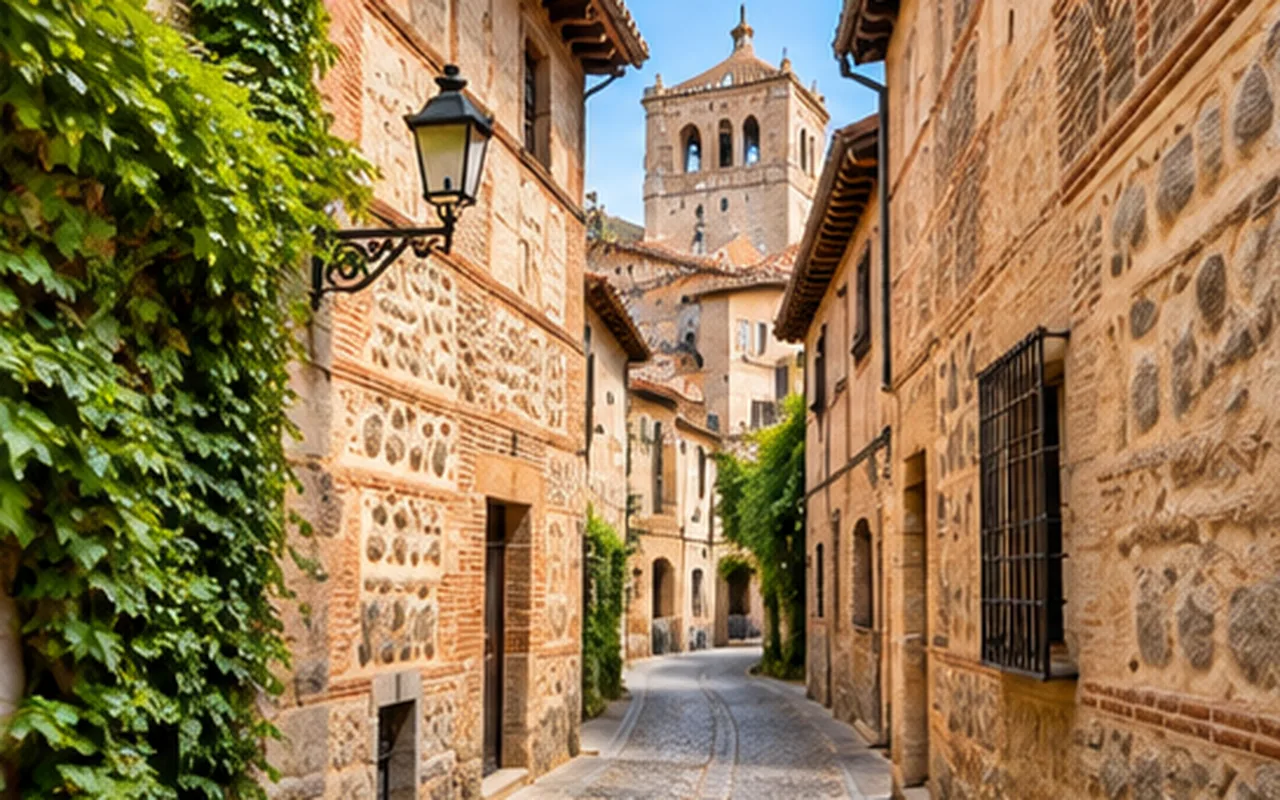
Understanding the place
The Jewish community was an important part of medieval Segovia's social and commercial life. The old quarter occupied the area south of the principal historic axis, with streets that retain the scale of a residential neighborhood. Its surviving buildings have been altered, reassigned and restored, so it helps to know which elements are medieval and which belong to later interventions.
The Centro Didáctico de la Judería occupies a property associated with Abraham Seneor, the prominent Jewish financier and royal official. Exhibits address religious life, economic activity and the community's history through the expulsion of 1492.
Visitor information
Checked against official sources in November 2026. Confirm current prices and dates directly with each operator.
Start at the Centro Didáctico rather than guessing from façades
The center uses interpretive panels, objects and audiovisual material, including a depiction of the Sephardic Sabbath, to explain daily life. It also introduces Abraham Seneor and the transformations experienced by the community late in the fifteenth century. That is important context for streets that otherwise look like any quiet part of historic Segovia.
The official city site lists ordinary admission at €3 and reduced admission at €2. Non-holiday Wednesdays and children under twelve are among the published free-access categories. Opening periods are shorter on Sundays, and advance booking is required for some guided visits; verify the current schedule.
The former Main Synagogue is now Corpus Christi
The old Sinagoga Mayor was converted to Christian use and is now the Corpus Christi church/convent. Its arches and plan can be read in relation to the site's Jewish religious origins, but later Christian adaptation changed the building considerably.
A major fire in the nineteenth century also affected what survives. Subsequent restoration has reconstructed some decorative forms using historical drawings. Visitors should recognize that parts of the appearance are modern reconstructions rather than unaltered medieval fabric.
Segovia Tourism lists ordinary entry at €1, with specific closures on Tuesdays and Fridays. Because this is a religious property, opening periods may differ from municipal museum schedules.
Abraham Seneor and the question of conversion
Abraham Seneor served the Catholic Monarchs and was connected to financial and administrative affairs. His life illustrates the complex position that prominent Jewish figures occupied as the monarchy tightened religious policy. The year 1492 is not merely a date in a tourist leaflet: the expulsion decree reshaped communities, property rights and family histories throughout Castile.
The interpretation center also introduces Andrés Laguna, the humanist scholar associated with the property in a later period. Their different stories should not be compressed into one generic “Jewish house” narrative.
A self-guided walk across the quarter
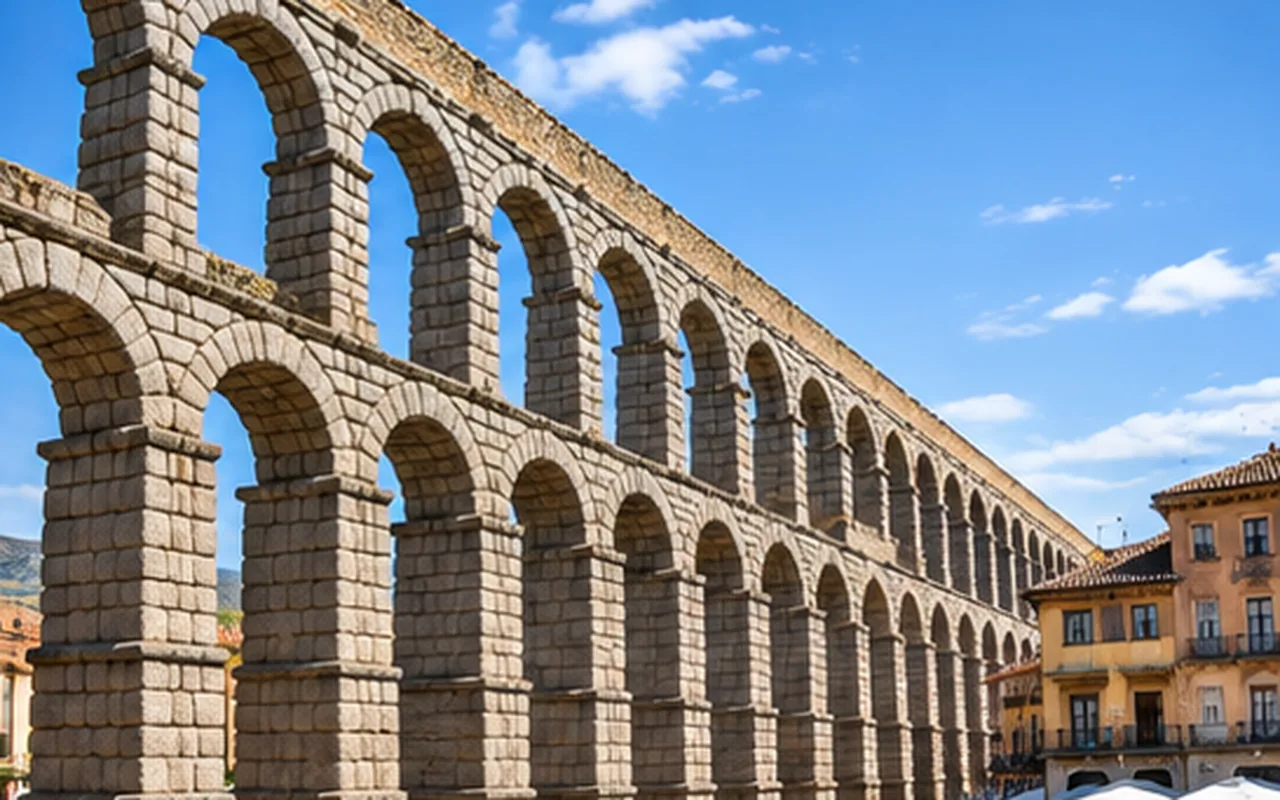
Walk from Plaza del Corpus through the small streets around the old quarter towards the southern wall. Allow a different pace here than at the Aqueduct. The scale of the streets and the relationship between religious buildings and domestic houses are the principal attraction.
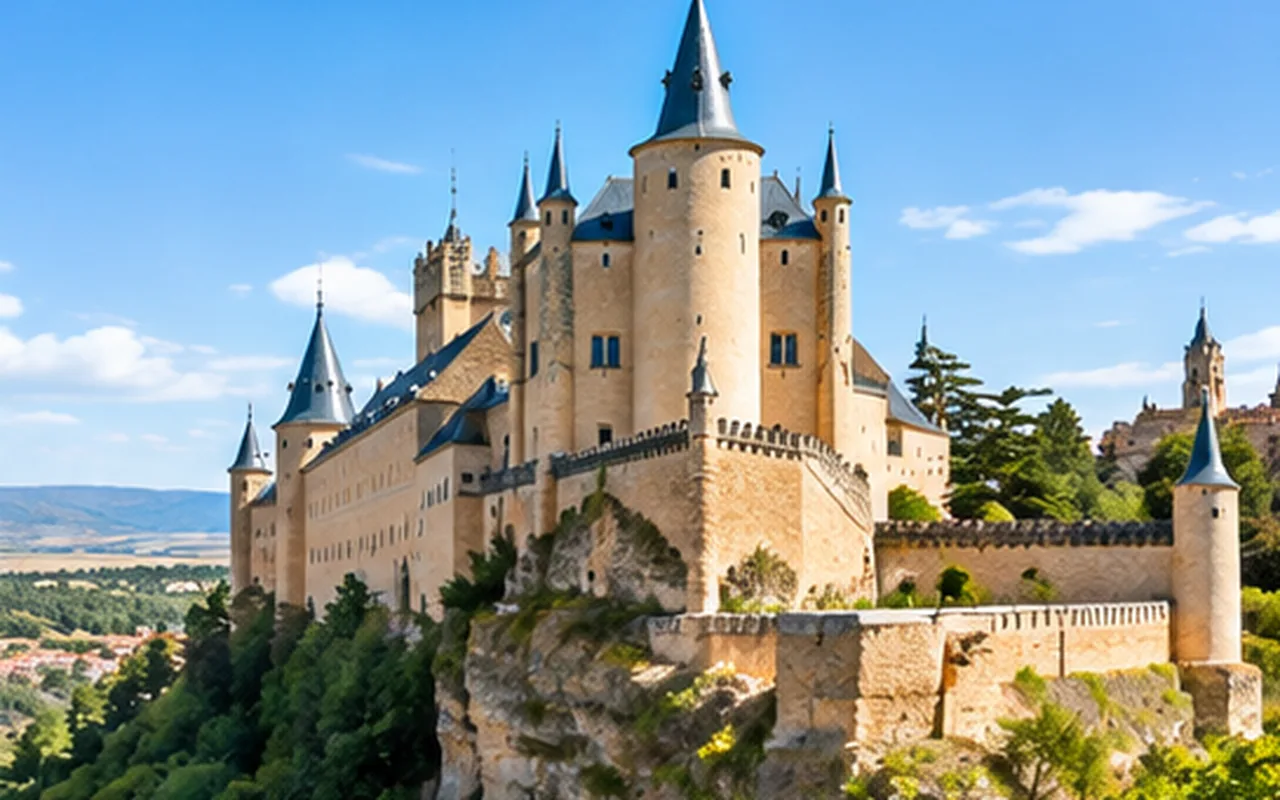
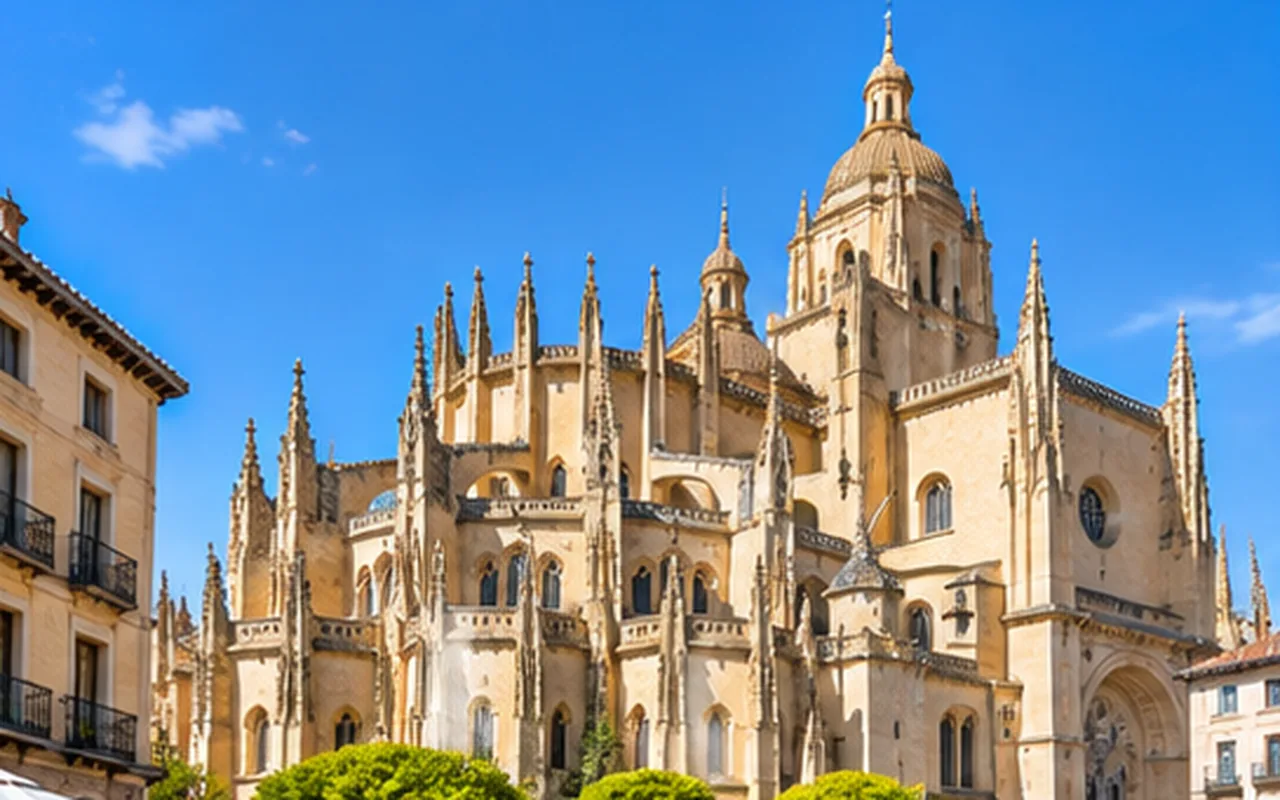
For a longer cultural route, connect the Jewish Quarter with the Cathedral and the Alcázar, while keeping their separate religious and political histories clear.
Which kind of guided visit is worth booking?
A specialist Jewish heritage tour should identify the historic quarter's limits, discuss the synagogue's reuse and be precise about 1492. Some city walking tours merely pass through the streets without entering the interpretation center or Corpus Christi. Check exact entry inclusions before booking.
How to ask about the site
La judería is the Jewish Quarter; la sinagoga is synagogue; antigua means former/old. Ask ¿Esta iglesia era una sinagoga? — “Was this church a synagogue?”
MundoDELE's Spanish grammar guide offers further study of the past tenses used in historical descriptions.
How to choose a paid guided experience
For history, choose a guide who explains the Jewish community's place in medieval Segovia and the later conversion of the synagogue. A generic old-town tour may not include museum entry; check the list of interiors visited.
Compare Segovia toursAffiliate link. MundoDELE may earn a commission; verify current product details, access and cancellation policy before payment.