
Catalonia travel guide
Catalonia Travel Guide: Coastlines, Mountains, Cities – One Compact Region
Catalonia brings Mediterranean beaches, Roman heritage, modernist architecture and alpine landscapes within easy reach of each other. Use this guide to plan balanced days: one headline sight, one slow neighbourhood and one local food moment.
Route chooser
Choose the Catalonia route that fits your trip
The simple planning logic
Catalonia sits in Spain’s northeast and concentrates a surprising range of experiences in a modest footprint: a world-class city, two distinct coasts and the Pyrenees forming a dramatic border with France. Distances are short, rail links are good and food culture is serious without being formal.
If this is your first trip, start with Barcelona and add one coast. If you already know Barcelona, move north to the Costa Brava or inland toward the Pyrenees.
Art, architecture, daily life
Best for Gaudí, markets, Gothic lanes, museums, sea views and public transport.
Plan BarcelonaPine, rock, clear water
Best for coves, cliff paths, fishing towns, Empúries and Cap de Creus.
Plan Costa BravaWide beaches, Roman traces
Best for family beaches, Tarragona, Roman heritage and slower southern coast days.
Plan Costa DauradaLakes, meadows, villages
Best for hiking, mountain air, stone villages, winter sports and cooler summer days.
Plan PyreneesTickets and activities
Check Catalonia tickets, Gaudí sights and Costa Brava day trips
Use this section when you already know your route and want to check availability for major Barcelona sights or a Costa Brava day trip. For Barcelona landmarks, always compare date, entry time, cancellation conditions and meeting point before booking.
Barcelona
Barcelona: art, architecture and everyday life
Barcelona is the region’s cultural anchor. Beyond the famous modernist landmarks, the city reveals itself in markets, plazas, seaside boardwalks and hills that catch evening light. Alternate marquee sights with neighbourhood time: a morning in a Gothic lane, a late lunch near a produce market and a sunset viewpoint above the bay.
Book headline sights early
Sagrada Família, Park Güell, Casa Batlló and La Pedrera need timing discipline in peak months. Go early or late to reduce queuing.
Balance one big sight
Pair one headline landmark with a market, garden, beach walk or smaller museum so the day does not become too dense.
Leave one open slot
Barcelona rewards wandering. Keep one unscheduled slot daily for lanes, cafés, viewpoints or the seafront.
Barcelona tickets
Barcelona ticket options for Gaudí and headline sights
This area is useful if Barcelona is the main base of your Catalonia trip. Choose tickets only after you know your date and neighbourhood plan, because entry windows can shape the whole day.
Costa Brava
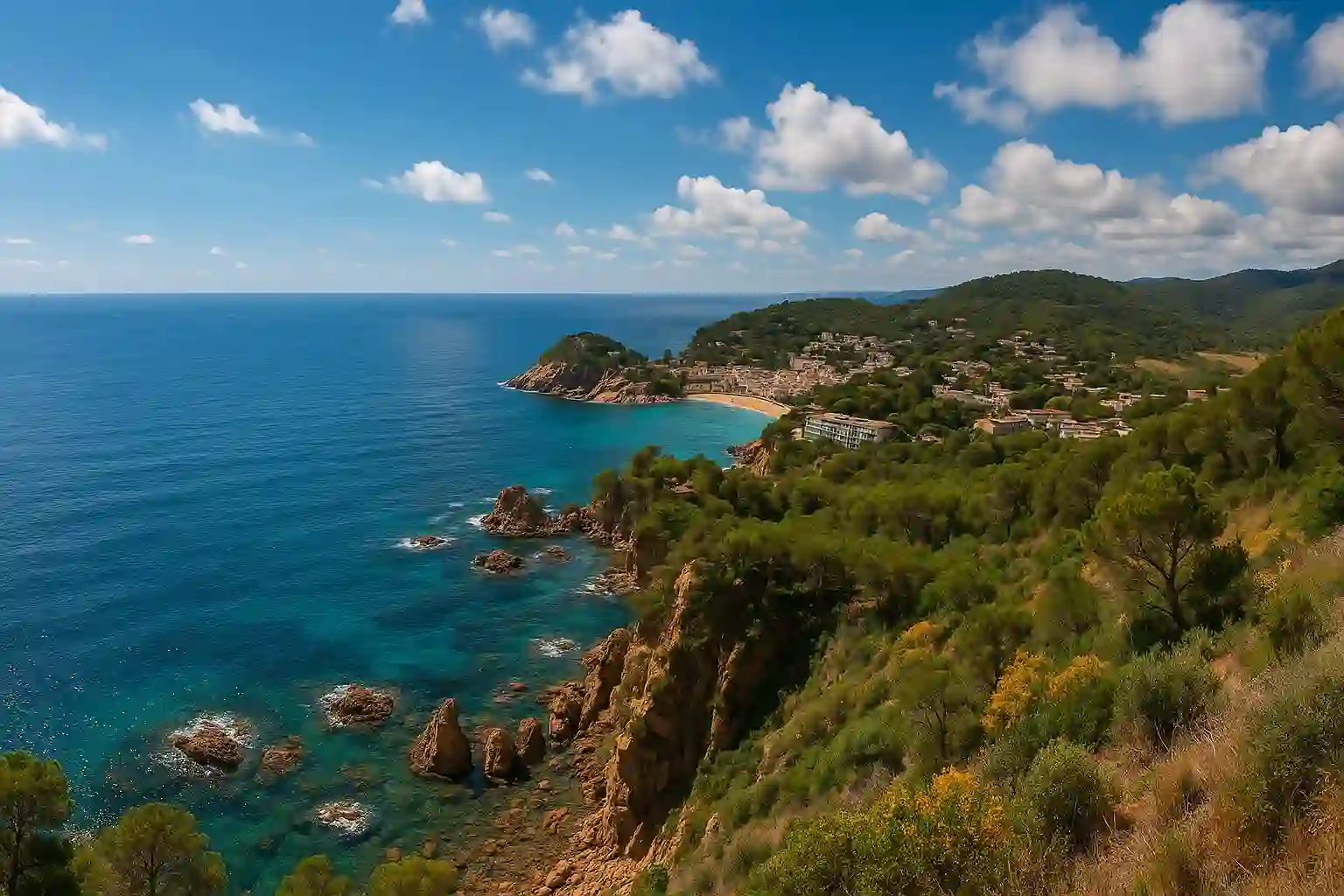
Costa Brava: pine, rock and clear water
North of Barcelona, the Costa Brava earns its name with headlands, cliff paths and small coves that feel intimate even in summer. Historic fishing towns show Roman and medieval traces; inland, stone villages slow the pace further. Painters came for the light, and you understand why at sunrise.
Swim mornings, walk a short coastal segment before lunch, then nap as the town sleeps. Evenings stretch out: families linger on the beach; restaurants switch to grilled fish and plates meant to share.
Costa Brava tours
Costa Brava day trips from Barcelona
These options are useful if you want coast, towns and sea views without organising car rental or multiple transport connections. Check whether the activity includes a boat segment, lunch, swimming time or only guided transport.
Costa Daurada
Costa Daurada: wide beaches and Roman threads
South of Barcelona, the Costa Daurada opens into long sands and family-friendly towns. Roman remnants stitch through the area: amphitheatres above the sea, walls and mosaics that glow in late light. It is an easy place to pair a beach morning with a historic city stroll without rushing.
Soft family rhythm
The Costa Daurada works well when you want more space, easier beaches and fewer cliff-path logistics.
Roman Tarragona
Tarragona gives the southern coast a strong cultural anchor and pairs well with a calm beach base.
Beach plus old stone
Use mornings for the sea and afternoons for Roman remains, old lanes or a long local meal.
Pyrenees
The Pyrenees: lakes, meadows and stone villages
Catalonia’s northern edge rises quickly to alpine terrain: blue lakes, larch and pine, and villages of slate and stone. Summer brings hiking and bike routes across passes; winter pivots to skiing and snowshoeing. Weather can flip fast, so pack layers and treat trail food as part of the day.
Trails and lakes
Use summer for hiking, mountain villages and picnic stops from bakeries and local shops.
Snow and quiet towns
Winter brings ski and snowshoe options. The coast remains milder, so the contrast can be useful.
Pack layers
Mountain weather is less predictable than the coast. Leave buffer time and avoid tight same-day transfers.
Catalan cuisine
Catalan cuisine: sea and mountain on the same table
Catalan cooking loves contrast. You meet charred vegetables with almond-and-pepper romesco; sausage with beans; slow stews brightened by herbs; and a custard that snaps under caramelized sugar. Wines track the landscape: crisp coastal whites, structured inland reds and sparkling wines that make weekday meals feel like occasions.
Share starters
Order a couple of starters to share, then decide if you need mains. This fits the local rhythm better than overordering immediately.
Menu of the day
Look for the lunch menu of the day. It is often the best value and a good way to eat seasonally.
Crema catalana
Leave room for dessert. Crema catalana is a classic for a reason and gives a simple meal a local ending.
Culture and identity
Cultural identity and festivals
Catalan and Spanish live side by side in daily life. Street festivals, human towers, book-and-rose traditions and summertime city nights put community at the centre. For context with your itinerary, combine this page with MundoDELE culture guides.
Catalonia works best when you do less per day and connect the pieces better: one city moment, one landscape, one meal and enough time to notice the light. — MundoDELE
Weather and seasons
Weather and best times
The pattern is broadly Mediterranean: warm to hot summers, mild winters and shoulder seasons that many travellers prefer. The coast can feel hotter in midsummer due to humidity; the Pyrenees are cooler and more variable. One light layer helps even in July if you head inland or uphill.
Bloom and cool nights
Good for city walking, early coast days and quieter cultural stops.
Prime time
Long days, lively calendars and strong weather without full peak pressure.
Peak beaches
Book ahead, start early, plan shade and use late evenings well.
Warm sea
One of the best balances for coast, city, harvest routes and softer light.
Quiet coast
Atmospheric cities, lower pressure and winter conditions in the Pyrenees.
Check forecasts
Weather changes faster inland and uphill. Add layers and time buffer.
Trip building
Trip building and transport
Trains and buses tie the coast and major towns together; for coves and mountain valleys, a car helps. Distances are short, so pairing two bases is easy without losing days to transfers. Reserve headline landmarks in peak months; otherwise keep plans flexible and follow your appetite.
Learn Spanish in Catalonia
Learn Spanish in Catalonia
Catalan is widely used, but Spanish opens doors across Spain and the Americas. Learning during your trip accelerates progress: practice in cafés and markets, then consolidate in short, focused sessions. If you prefer flexibility, book private Spanish lessons tailored to your level and goals.
Daily micro-goals
- Greetings, ordering, directions, times and numbers.
- A 20-phrase survival kit used daily.
- Three new words per day in a notes app.
Use lessons to consolidate
Turn real travel situations into better Spanish: restaurants, transport, local questions, small talk, directions and cultural topics.
Useful words
Useful Spanish and Catalonia travel words
Practical notes
Practical notes
Tipping is modest; card payments are common; tap water in cities is generally safe, though many locals prefer bottled. Dress codes are relaxed; pack comfortable shoes because you will walk more than you think. Sundays can be quieter in smaller towns, so plan markets and grocery runs accordingly.
Card plus small cash
Cards are common, but small cash helps in markets, small towns, buses or simple cafés.
Comfortable shoes
Old towns, viewpoints, markets and station transfers add up quickly.
Check Sundays
Smaller towns can be quieter. Confirm opening hours before building a Sunday around shops or markets.
Continue planning
More MundoDELE guides for Catalonia, Spain and Spanish learning
FAQ
FAQ: Catalonia travel planning
When is the best time to visit Catalonia?
May to June and September to October balance pleasant weather with manageable crowds. For winter sports, aim for mid-winter in the Pyrenees.
Do I need a car to explore?
You do not need a car for Barcelona or major coastal towns because rail is useful. A car helps for hidden coves, rural villages and flexible mountain days.
Is English widely spoken?
In tourist areas, yes. Elsewhere, basic Spanish and a few Catalan phrases go a long way and make encounters warmer.
Can I combine coast and mountains in one week?
Yes. Distances are short enough to split your stay between one coastal base and one mountain base. Keep transfers simple and avoid changing hotels too often.
How can I get more out of food culture?
Follow the lunch menu of the day, share starters and keep space for crema catalana. Local wines and cava are excellent value.
About MundoDELE
Travel deeper with Spanish, culture and real context
MundoDELE connects Spanish learning with travel and cultural understanding. Use Catalonia as real context for language, food, city life, transport, regional identity and conversation.