
Monterrey City Tour – Museums, Barrio Antiguo & Fundidora Park
Why This City Tour Stands Out
- Industrial heritage reimagined: Fundidora Park transforms 20th-century steel foundry into world-class cultural space; see where Mexico's industrialization began.
- Architectural contrasts: Colonial baroque churches beside glass skyscrapers; witness 400 years of architectural evolution in single blocks.
- Cerro de la Silla context: Understand how iconic saddle mountain shapes city identity, orientation, and cultural imagination.
- MARCO Museum: Ricardo Legorreta-designed contemporary art museum; one of Latin America's most important cultural institutions.
- Authentic regiomontano culture: Experience northern Mexican identity distinct from central and southern stereotypes; entrepreneurial, direct, mountain-influenced.
What's Included
- Round-trip hotel pickup
- Professional bilingual guide
- Air-conditioned transportation
- Macroplaza walking tour
- Fundidora Park visit
- Barrio Antiguo exploration
- Museum entrance (MARCO or MUNE)
- Bottled water
Tour Itinerary
- Morning pickup: Depart hotels; guide introduces Monterrey's geography, history, and unique northern Mexican culture.
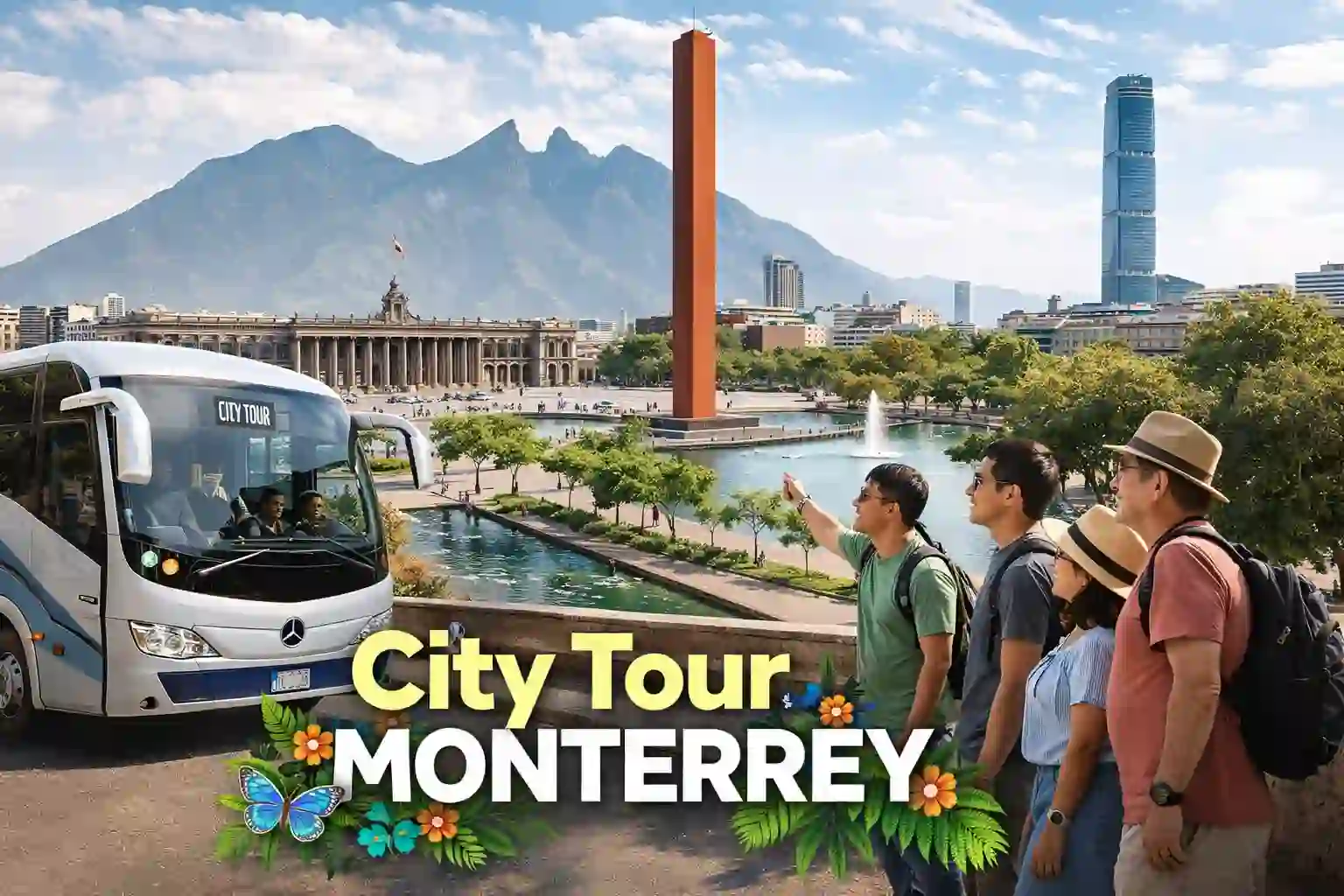
- Macroplaza arrival: One of world's largest public squares; see Faro del Comercio, Palacio de Gobierno, Cathedral.
- Metropolitan Cathedral: 18th-century baroque facade; neoclassical interior reflects city's evolution through centuries.
- Palacio de Gobierno: Nuevo León state government seat; pink limestone building with interior murals depicting regional history.
- MARCO Museum: Contemporary art museum in striking red and yellow building; current exhibitions vary (entrance included).
- Barrio Antiguo walk: Colonial quarter with cobblestone streets; see colorful houses, artisan shops, street art, bohemian cafés.
- Fundidora Park: Former steel foundry transformed into 142-hectare urban park; preserved blast furnaces, museums, gardens.
- Horno 3 Museum: Interactive steel industry museum inside original blast furnace; understand Monterrey's industrial legacy.
- Paseo Santa Lucía: Artificial river connecting Macroplaza to Fundidora; optional boat ride (additional cost).
- Cerro de la Silla viewpoint: Stop for photos with iconic saddle mountain; understand geological formation and cultural significance.
- Return to hotels: Drop-off at original pickup points; recommendations for evening activities.
Understanding Monterrey's Identity
Monterrey is Mexico's third-largest city but first in industrial output and per-capita income. Founded in 1596, it remained relatively small until the late 19th century when industrialization transformed it into Mexico's manufacturing heart. The city developed a distinct culture: entrepreneurial, less religious than central Mexico, more connected to Texas and U.S. markets than Mexico City. Regiomontanos (Monterrey natives) pride themselves on work ethic, directness, and pragmatism. The mountains — particularly Cerro de la Silla — define both literal landscape and metaphorical identity: rugged, distinctive, unmistakable from any angle.
Macroplaza Deep Dive
- Size and scale: Created 1980s by demolishing colonial blocks; controversial modernization project.
- Faro del Comercio: 70-meter orange laser beam tower; visible across city, pulses green laser at night.
- Fuente de la Vida: Monumental fountain by Luis Barragán; water, light, and sculpture integration.
- Teatro de la Ciudad: Neoclassical theater hosting performances; acoustically excellent interior.
- Museo de Historia Mexicana: Chronicles Mexico's story from pre-Hispanic to modern; northern perspective emphasized.
Practical Details
4-5 hours · Morning departure: 9:00 AM or 10:00 AM · Return: 1:00-2:00 PM · Daily departures year-round
- Moderate walking (2-3 km total); frequent stops for rest and photos
- Suitable for most ages and fitness levels; wheelchair accessible with advance notice
- Summer heat intense (35-40°C); morning tours more comfortable
- Bring comfortable walking shoes; some cobblestone streets in Barrio Antiguo
- Comfortable walking shoes (mix of pavement and cobblestones)
- Sun protection (hat, sunglasses, sunscreen) — Monterrey sun is intense
- Camera for architecture and mountain views
- Light jacket for air-conditioned museum spaces
- Cash for optional purchases (artisan goods, snacks, boat ride)
Who Is This Tour For?
- First-time visitors: Comprehensive introduction covering history, culture, and major landmarks efficiently.
- Architecture enthusiasts: Colonial baroque, industrial heritage, contemporary design — centuries of styles coexist.
- History buffs: Learn northern Mexico's distinct story from Spanish colony to industrial powerhouse.
- Art lovers: MARCO Museum showcases Mexican and Latin American contemporary art; rotating exhibitions.
- Cultural explorers: Understand regiomontano identity, entrepreneurial culture, and northern Mexican distinctiveness.
Best Times to Visit Monterrey
- Spring (March-May): Pleasant temperatures (22-28°C); jacaranda trees bloom purple across city.
- Autumn (October-November): Most comfortable weather; clear mountain views, fewer rain interruptions.
- Winter (December-February): Cool mornings (10-15°C), warm afternoons (20-25°C); occasional light rain, clearest air quality.
- Summer (June-September): Very hot (35-42°C) and humid; morning tours essential; afternoon thunderstorms common.
- Weekday mornings: Museums less crowded; better interaction with guide; easier navigation through Macroplaza.
Photography Spots & Tips
- Macroplaza overview: Shoot from Palacio de Gobierno steps for full square perspective with Cerro de la Silla backdrop.
- MARCO Museum: Ricardo Legorreta's bold colors photograph beautifully in bright sun; strong shadows create drama.
- Barrio Antiguo streets: Colorful colonial houses, street art, cobblestones — shoot mid-morning for best light without harsh shadows.
- Fundidora blast furnaces: Industrial ruins against sky; shoot from low angles to emphasize scale.
- Cerro de la Silla: Distinctive saddle profile visible throughout city; find foreground elements to frame mountain.
- Avoid midday glare: Monterrey's intense sun washes out colors; morning tours offer better photographic conditions.
Insider Tips
- Hydrate constantly: Monterrey's heat and altitude (540m) increase dehydration; drink water throughout tour.
- Ask about local food: Guide knows best cabrito restaurants, authentic taco spots, and traditional bakeries.
- Barrio Antiguo at night: Return after dark for live music, bars, and vibrant nightlife scene.
- Museum timing: MARCO has stronger permanent collection; MUNE focuses on Nuevo León regional history.
- Paseo Santa Lucía boat: If time permits, 15-minute boat ride offers unique perspective (100 pesos, not included).
- Mountain appreciation: Listen when guide explains Cerro de la Silla's geology and cultural meaning — it's key to understanding the city.
Fundidora Park History
Fundidora Monterrey operated from 1900 to 1986 as Latin America's first integrated steel mill. At its peak, 14,000 workers produced steel that built modern Mexico's infrastructure. When global competition forced closure in 1986, the city faced economic crisis and environmental disaster — 142 hectares of contaminated industrial wasteland. Rather than demolish, visionary urban planning transformed the site into Parque Fundidora, preserving blast furnaces, rail lines, and industrial structures as monuments while creating parks, museums, and cultural spaces. The Horno 3 (Blast Furnace 3) now houses an interactive museum explaining steel production; children play where molten metal once flowed. This adaptive reuse became a model for post-industrial cities worldwide.
Barrio Antiguo's Transformation
- Colonial origins: Original settlement area dating to 1596 founding; narrow streets follow Spanish colonial grid.
- 20th-century decline: Wealthy families moved to new suburbs; barrio became working-class, then neglected.
- 1980s revival: Artists and bohemians moved into cheap colonial houses; galleries and cafés followed.
- Street art hub: Murals and graffiti art transform building facades; walking outdoor gallery.
- Nightlife center: Thursday-Saturday nights bring live music, bars, and young professional crowds.
- Architecture preservation: Restored colonial houses painted vibrant colors; balconies, courtyards, and traditional details maintained.
What Makes Monterrey Unique
- Mountain-defined geography: Cerro de la Silla, Sierra Madre Oriental frame every view; no other Mexican city has such dramatic natural landmarks.
- Northern Mexican culture: Direct communication style, strong work ethic, entrepreneurial spirit — culturally more like Texas than Mexico City.
- Economic powerhouse: Headquarters for FEMSA (Coca-Cola), Cemex (cement), Alfa (conglomerate); Mexico's wealthiest per-capita city.
- Industrial heritage pride: Unlike many cities hiding manufacturing past, Monterrey celebrates steel legacy through preserved infrastructure.
- Contemporary architecture: Major international architects commissioned for museums and civic buildings; modern design valued alongside colonial preservation.
Combine With
- Cola de Caballo waterfall: Morning city tour, afternoon mountain nature experience. Book waterfall tour.
- Grutas de García caves: City culture followed by geological wonder; excellent two-day combination. Book cave tour.
- Chipinque Ecological Park: Afternoon hiking after morning city tour; mountain views and forest trails.
- Barrio Antiguo nightlife: Return independently after dark; live music, craft beer bars, street tacos.
- Baseball game: Estadio de Beisbol Monterrey; Mexican League games create festive atmosphere March-July.
Food & Dining Recommendations
- Cabrito (roasted goat): Monterrey's signature dish; try El Rey del Cabrito or Los Cavazos.
- Carne asada: Northern-style grilled beef; weekend tradition; Casa Reyna excellent choice.
- Machaca: Dried, spiced beef; breakfast staple; try at La Nacional.
- Glorias: Regional candy (caramel with pecans); perfect souvenir from Dulcería de Celaya.
- Craft beer: Growing scene; Barrio Antiguo has microbreweries like Cervecería Primus.
Museums & Cultural Spaces
- MARCO (Contemporary Art): Rotating exhibitions of Mexican and international artists; permanent collection includes Rufino Tamayo.
- MUNE (Northeast History): Regional focus from pre-Hispanic through modern; emphasizes Nuevo León's distinct development.
- Museo del Palacio: Inside state government palace; chronicles political history through rooms and murals.
- Horno 3: Interactive steel museum; hands-on exhibits explain industrial processes; kids love it.
- Planetario Alfa: Science museum with IMAX; separate admission, worth afternoon visit if interested.
Safety & Practical Considerations
- Tourist areas safe: Macroplaza, Barrio Antiguo, Fundidora well-patrolled; standard urban awareness sufficient.
- Day vs night: Daytime completely comfortable; nighttime stick to main areas, use official taxis or Uber.
- Heat management: Summer temperatures extreme (40°C+); tour includes air-conditioned transport, water provided.
- Language: English less common than tourist destinations; bilingual guide essential for context and navigation.
- Currency: Carry some cash pesos; not all vendors accept cards, ATMs readily available.
Understanding Cerro de la Silla
The Saddle Mountain dominates Monterrey's eastern skyline at 1,820 meters elevation. Its distinctive profile — resembling a horse saddle — makes it instantly recognizable and deeply symbolic for regiomontanos. The mountain formed 65 million years ago from limestone sediments deposited when the region lay beneath an ancient sea. Tectonic forces uplifted and folded the rock into the current shape. Four peaks create the saddle profile visible from the city. The mountain appears on Monterrey's coat of arms, government logos, and countless businesses. Hiking to the summit takes 4-5 hours; the city tour provides multiple viewpoints and photographic opportunities with guide explaining geological and cultural significance.
After the Tour
- Lunch in Barrio Antiguo: Return to colonial quarter; countless cafés and restaurants within walking distance of drop-off.
- Explore Fundidora deeper: Tour covers highlights; return independently to explore full 142 hectares, rent bikes.
- MARCO gift shop: High-quality art books, contemporary Mexican design objects; better than typical souvenirs.
- Evening at Paseo Santa Lucía: Riverside walk comes alive after dark; restaurants, bars, boat rides with city lights.
- Mirador del Obispado: Bishop's Palace viewpoint for sunset over city; taxi from downtown 15 minutes.