
Monterrey Mexico Travel Guide: 2–4 Day Itinerary, Safety & Travel Tips
Is Monterrey Worth Visiting?
Monterrey is worth visiting if you want a modern northern Mexican city with mountains, food culture, industrial heritage and easy access to nature. It is especially good for travelers who like cities that feel real, economically active and less shaped by international tourism.
Monterrey fits you if…
- You like mountains, viewpoints and nature close to the city.
- You want to understand northern Mexican identity.
- You enjoy industrial heritage, museums and modern urban spaces.
- You are planning a 2–4 day stopover or a northern Mexico route.
- You prefer authentic city life over resort-style tourism.
Monterrey may not fit you if…
- You mainly want colonial charm, beaches or slow small-town atmosphere.
- You dislike hot weather and plan to visit in peak summer.
- You want to explore everything on foot without using Uber or transport.
- You expect a classic tourist city with English everywhere.
- You have only one rushed night and no time for context.
Monterrey and the FIFA World Cup 2026
Monterrey is one of Mexico’s FIFA World Cup 2026 host cities. Matches will be played at Estadio Monterrey, widely known as Estadio BBVA, one of the city’s most recognizable modern landmarks.
For travelers, the World Cup gives Monterrey an extra reason to be on the radar. The city combines football, mountain scenery, modern infrastructure, northern Mexican food and access to day trips such as Grutas de García and Cola de Caballo.
World Cup 2026 planning note
- Venue: Estadio Monterrey / Estadio BBVA.
- Travel logic: plan match days separately from distant nature excursions.
- Where to stay: choose an area with reliable transport access, especially if you plan evening movement.
- Best trip length: 3–4 days work well if you want to combine a match, city center, Fundidora Park, Barrio Antiguo and one nature excursion.
- Useful internal links: combine your trip with the Monterrey City Tour, the Night City Tour or a nature day trip to Grutas de García.
Choose Your Monterrey Itinerary: 2, 3 or 4 Days
Monterrey works best when you plan by clusters: Macroplaza, Barrio Antiguo, Paseo Santa Lucía and Fundidora Park belong together; caves, waterfalls and mountain viewpoints need separate time blocks.
| Time | Best for | Core plan | Internal tour links |
|---|---|---|---|
| 2 days | Stopover, first visit, business trip extension | City core, Fundidora, Santa Lucía, one evening experience | City Tour · Night City Tour |
| 3 days | Balanced city + nature trip | City core, food/cantinas, one cave or waterfall day trip | Grutas de García · Cola de Caballo |
| 4 days | Relaxed plan, nature focus, football / World Cup trip | City, nature, food culture, match-day buffer or regional trip | Traditional Cantina Tour · nature excursions |
2-Day Monterrey Itinerary: Compact & Efficient
Day 1: City orientation
- Morning: Macroplaza, government palace, city center orientation.
- Midday: MARCO museum or shaded indoor break if it is hot.
- Afternoon: Paseo Santa Lucía toward Fundidora Park.
- Evening: Barrio Antiguo, dinner or a guided night route.
Day 2: Fundidora + local culture
- Morning: Fundidora Park and Horno 3 / Steel Museum.
- Midday: Lunch break, preferably not too far from your hotel.
- Afternoon: Barrio Antiguo, museums or light shopping.
- Evening: Cantina, carne asada or rooftop view.
3-Day Monterrey Itinerary: Best Standard Plan
Day 1: Downtown + Santa Lucía
Start with the city core: Macroplaza, MARCO, Barrio Antiguo and Paseo Santa Lucía. This gives you the easiest first orientation.
Monterrey City TourDay 2: Nature excursion
Choose Grutas de García if you want caves and geology, or Cola de Caballo if you prefer waterfall scenery and a softer outdoor day.
Grutas de GarcíaCola de Caballo Waterfall
Day 3: Food, parks and evening life
Use the third day for Fundidora if you missed it, a museum, San Pedro, or a traditional cantina evening.
Traditional Cantina Tour4-Day Monterrey Itinerary: Relaxed Plan with Nature
Day 1
City core: Macroplaza, MARCO, Barrio Antiguo, Santa Lucía.
OrientationDay 2
Fundidora Park, Horno 3, museums, evening in Barrio Antiguo.
Urban cultureDay 3
Nature day: Grutas de García, Cola de Caballo or Santiago area.
OutdoorDay 4
Flex day: San Pedro, shopping, food, cantinas, viewpoint, second excursion or World Cup match-day buffer.
FlexibleWhere to Stay in Monterrey: Neighborhood Guide
Your hotel area matters because Monterrey is not a city where every attraction is comfortably walkable. Choose your base according to safety feeling, evening plans and transport needs.
| Area | Best for | Evening feel | Transport logic |
|---|---|---|---|
| Centro / Macroplaza | First-time visitors, museums, city orientation | Practical, but can feel quiet or corporate at night | Good for daytime walking; use Uber at night if unsure |
| Barrio Antiguo | Nightlife, restaurants, colonial character | Livelier, especially Thursday to Saturday | Good walking base for central attractions |
| San Pedro Garza García | Comfort, upscale hotels, business travelers | Safe, polished, less historic | Usually requires rideshare to downtown or stadium-area movements |
| Valle Oriente | Modern hotels, business, shopping | Comfortable but less cultural | Best with Uber or car-based movement |
Getting Around Monterrey: Walking, Metro, Uber and Day Trips
Walking
Works best inside clusters: Macroplaza, Barrio Antiguo, Santa Lucía and parts of Fundidora. Heat and distance matter.
Metro
Useful for some corridors and budget movement, but not always the easiest visitor solution for every attraction.
Uber / rideshare
The most practical option for many visitors, especially at night, between neighborhoods, for stadium movement or when carrying luggage.
- Walk inside compact daytime clusters.
- Use rideshare for evening movement, heat, longer distances, stadium trips or unfamiliar areas.
- Use organized tours when a nature excursion would otherwise require complicated logistics.
Best Day Trips from Monterrey
The best Monterrey day trips are not random add-ons. They should fit your time, transport situation and weather. For most visitors, one good nature excursion is better than rushing two.
Grutas de García Caves
Best for geology, mountain views and a structured half-day or day-trip experience with cable car access and limestone chambers.
Cola de Caballo Waterfall
Best for families, soft nature, waterfall scenery and a more relaxed excursion into the Sierra Madre area.
Monterrey City Tour
Best for first-time orientation: Macroplaza, Barrio Antiguo, Fundidora Park and the city’s industrial-modern identity.
Monterrey Night City Tour
Best for evening atmosphere, cooler temperatures, illuminated landmarks and a less stressful way to experience the city after dark.
Traditional Cantina Tour
Best for food and drink culture, historic bars, botanas and understanding Monterrey’s social side beyond sightseeing.
Essential Things to Do in Monterrey
- Macroplaza: Main downtown orientation point and practical starting cluster.
- MARCO: Contemporary art museum and one of the city’s strongest cultural stops.
- Barrio Antiguo: Historic streets, restaurants, bars and evening atmosphere.
- Paseo Santa Lucía: Walkable waterway connecting the city center with Fundidora Park.
- Fundidora Park: Former steel mill turned major public park and cultural space.
- Horno 3: Steel Museum inside a preserved blast furnace.
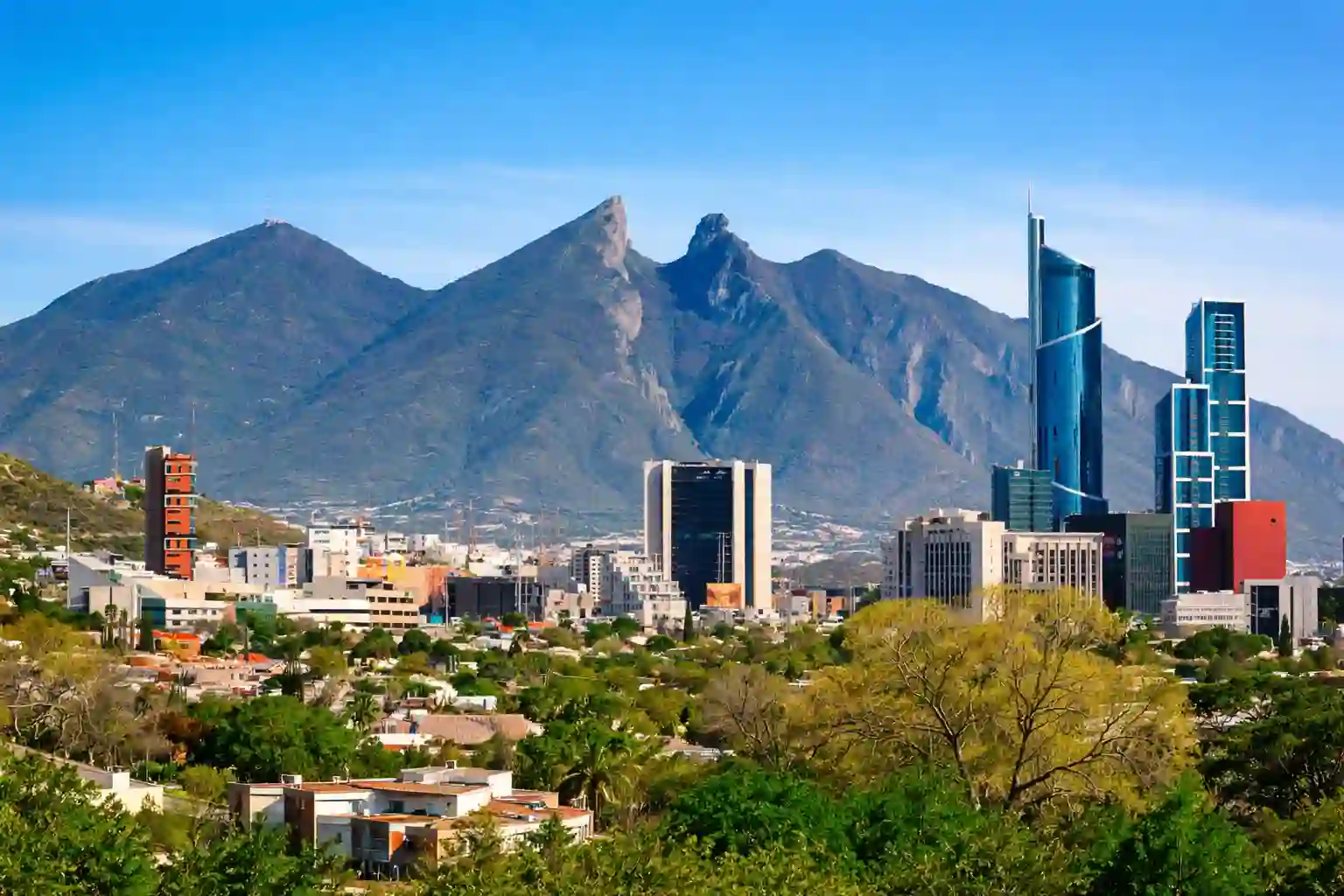
- Cerro de la Silla views: The mountain symbol of Monterrey and its visual identity.
- Estadio Monterrey / Estadio BBVA: Modern football landmark and FIFA World Cup 2026 venue.
- Cabrito and carne asada: Essential food experiences for understanding northern Mexico.
Budget, Language and Practical Tips
Budget
Monterrey can be mid-range or upscale depending on hotel area. Transport by rideshare is often practical and worth budgeting for.
Language
English is less automatic than in major tourist destinations. Basic Spanish is useful for taxis, restaurants and small shops.
Timing
In hot months, plan outdoor activities early or late and use midday for museums, food breaks or indoor spaces.
Understanding Monterrey’s Identity
Monterrey is Mexico’s third-largest city but feels fundamentally different from Mexico City or Guadalajara. Founded in 1596, it remained relatively small until late 19th-century industrialization transformed it into one of Latin America’s major manufacturing centers. Steel, glass, cement and corporate growth shaped the city’s identity.
This industrial wealth created a distinct culture: entrepreneurial, pragmatic, more direct in social style and often more connected to northern Mexico and Texas than to central Mexican stereotypes. The mountains — especially Cerro de la Silla — define both the literal skyline and the symbolic identity of the city.
Geography & Climate
- Location: Northeastern Mexico, south of the Texas border, at moderate elevation.
- Sierra Madre Oriental: Dramatic limestone mountains frame the city east and west.
- Cerro de la Silla: Iconic saddle-shaped mountain visible throughout the city.
- Climate: Hot semi-arid, with very hot summers and more comfortable spring and fall periods.
- Best weather: October-November and March-April are usually the most pleasant travel windows.
Food & Drink Culture
- Cabrito: Roasted young goat, the best-known regional specialty.
- Carne asada: A northern Mexican weekend tradition and social ritual.
- Machaca: Dried spiced beef, often served with eggs for breakfast.
- Flour tortillas: More common in northern Mexico than in many central or southern regions.
- Glorias: Regional candy made with caramel and pecans.
- Cantinas: Traditional bars with botanas and local social atmosphere.
- Craft beer: A growing scene that fits the city’s modern identity.
- Late dining: Dinner can start late, especially in warmer months.
Museums & Cultural Spaces
- MARCO: Contemporary art museum in the city center.
- MUNE: Museum focused on regional history and northeastern Mexico.
- Museo del Acero / Horno 3: Industrial heritage inside Fundidora Park.
- Museo del Palacio: State history and political context.
- Paseo Santa Lucía: Promenade and artificial river linking central Monterrey with Fundidora.
Shopping & Souvenirs
- Glorias candies: Portable local gift.
- Leather goods: Linked to northern ranching traditions.
- Craft beer: Local bottles from regional breweries.
- Contemporary design: Museum shops and Barrio Antiguo markets.
Monterrey vs Other Mexican Cities
- vs Mexico City: Monterrey is more compact, business-oriented and mountain-framed; CDMX is larger, denser and more historically layered.
- vs Guadalajara: Monterrey is more industrial and northern; Guadalajara carries stronger mariachi, tequila and western Mexico associations.
- vs Oaxaca: Monterrey is modern and pragmatic; Oaxaca is slower, more artisan-focused and more visibly indigenous in cultural profile.
- vs beach resorts: Monterrey is an authentic urban destination, not a tourism economy built around beaches.
About MundoDele
MundoDele combines Spanish learning, cultural context and travel guidance for people who want to understand Spanish-speaking destinations beyond generic sightseeing lists. The platform focuses on clear explanations, practical travel context and language awareness for learners, travelers and culturally curious readers.
This Monterrey guide is part of MundoDele’s English travel section. It connects travel planning with Spanish-speaking culture, local identity and practical orientation for visitors who want to experience Mexico with more context.
Spanish, Culture and Travel in Monterrey
Monterrey is a good place to notice how Spanish changes across regions. Northern Mexican Spanish can feel more direct, faster and culturally different from what many learners associate with central or southern Mexico.
If you are learning Spanish, a trip to Monterrey is not only about attractions. It is also a chance to hear regional expressions, understand everyday Mexican communication and connect language with real places, food and social situations.
Useful before your trip
Refresh basic travel Spanish for hotels, taxis, restaurants and small everyday situations.
Explore Spanish learning resourcesFor deeper preparation
Private Spanish lessons can help if you want to travel with more confidence and understand local culture better.
Private Spanish lessons