
Spain · North Spain · Basque Country · San Sebastián · Bilbao · Pintxos · Cider Houses
Basque Country Travel Guide: San Sebastián, Bilbao, Pintxos & Coast
Updated: July 2026 · Euskadi, San Sebastián, Bilbao, Guggenheim, cider houses, pintxos and coastal villagesThe Basque Country is the strongest North Spain choice if you want food, coast and culture in one compact region: San Sebastián for pintxos and beaches, Bilbao for the Guggenheim and urban culture, and cider houses for the rural food ritual.
Use this guide to choose your base, compare San Sebastián and Bilbao, plan food experiences, and connect the region with the wider North Spain route.
1 · Quick decision
Should you stay in San Sebastián or Bilbao?
Choose it for food and sea
Best if you want La Concha, Parte Vieja, pintxos bars, boat trips, coastal walks and a softer seaside atmosphere.
Open San Sebastián guideChoose it for art and city culture
Best if you want Guggenheim Bilbao, riverfront architecture, Casco Viejo, San Mamés and stronger transport logistics.
Open Bilbao guideChoose it for rural food culture
Best if you want sagardo, txotx, orchard context, cider barrels, cod omelette, txuleta and a traditional shared meal.
Open cider house guideChoose it for a longer route
Best if you want to connect Euskadi with Cantabria, Asturias or Galicia instead of visiting one region only.
Open North Spain guide2 · Complete guides
Open the Basque Country travel guides
San Sebastián Travel Guide
La Concha, Parte Vieja, pintxos food tours, walking tours, Santa Clara Island and coastal trips.
Open San Sebastián guide
Bilbao Travel Guide
Guggenheim Bilbao, Casco Viejo, river tours, San Mamés, pintxos and day trips to the coast.
Open Bilbao guide
Traditional Basque Cider House Tour
Orchard, cellar, txotx ritual, sagardo, cod omelette, txuleta and the classic cider house menu.
Open cider house guide3 · Food culture
Why food shapes the Basque Country trip
The Basque Country is not only a sightseeing region. Food gives the trip its rhythm: pintxos in San Sebastián, market and river culture in Bilbao, cider houses in the hills, seafood on the coast and txuleta in traditional grills.
Stand, choose, move
Pintxos work best as a route. You stand at the bar, order one or two things, drink something small and move on.
White wine with lift
Txakoli is the sharp, fresh Basque white wine that fits seafood, anchovies and many pintxos.
Cider house culture
Basque cider is dry, food-oriented and tied to the txotx ritual: cider poured directly from the barrel.
The steak anchor
The cider-house meal often ends around txuleta, a thick bone-in steak cooked simply and shared.
4 · Itinerary logic
How many days do you need in the Basque Country?
One city plus one experience
Stay in San Sebastián or Bilbao. Add one food tour, walking tour, boat trip or cider house experience.
San Sebastián and Bilbao
Split the trip between both cities and add one coastal or rural food day.
Basque Country as a full region
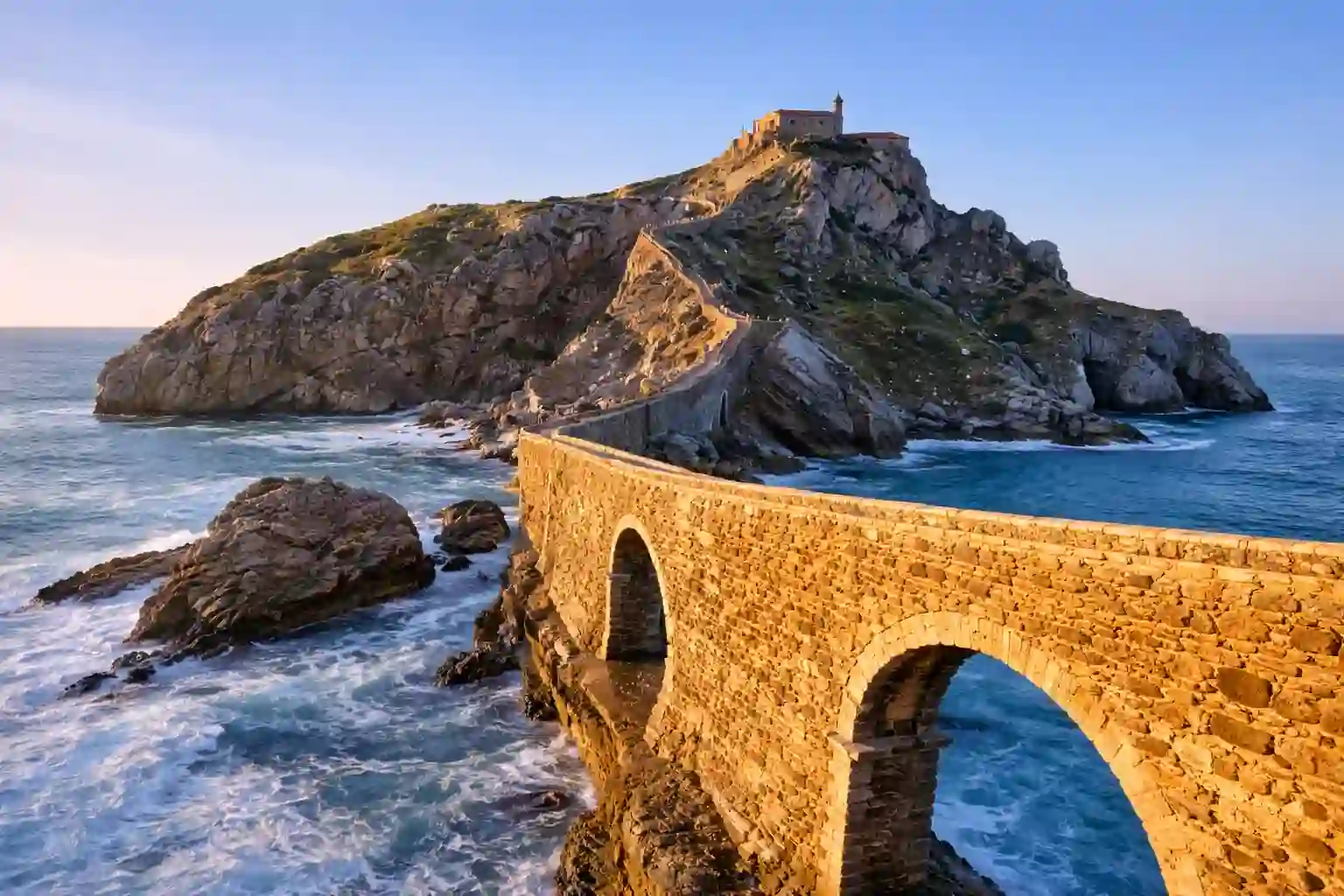
Add Hondarribia, Pasaia, Gaztelugatxe, Gernika, Getaria or a slower coast route.
5 · Regional orientation
What are Gipuzkoa, Bizkaia and Álava?
San Sebastián and the eastern coast
Gipuzkoa is the province for San Sebastián, Hondarribia, Pasaia, Getaria, Zarautz and many food-focused routes.
Bilbao and the western coast
Bizkaia is the province for Bilbao, the Guggenheim, San Mamés, the Nervión estuary, Gaztelugatxe, Mundaka and Gernika.
Interior, wine and Vitoria-Gasteiz
Álava gives the Basque Country an inland layer: Vitoria-Gasteiz, Rioja Alavesa, vineyards and a quieter capital.
6 · Bookable experiences
Compare Basque Country tours
This widget brings together useful Basque Country experiences around San Sebastián, Bilbao, cider houses and coastal routes. Check the live booking page for current price, meeting point, language, transport, food inclusions and cancellation policy.
7 · Continue planning
Plan more around the Basque Country
North Spain Travel Guide
Connect the Basque Country with Cantabria, Asturias, Galicia and the green Atlantic side of Spain.
Open North Spain guide
San Sebastián Food Tour
Best if you want pintxos, local bars, wine and a guided route through the Parte Vieja.
Open food tour guide
Gaztelugatxe, Mundaka & Gernika
Best if you want the dramatic Bizkaia coast, history, fishing villages and the Gaztelugatxe walkway.
Open coast tour guideLearn Spanish
Prepare Spanish for restaurants, pintxos bars, train stations, tours, markets and hotel questions.
Learn SpanishSpanish Culture
Add background on food, regional traditions, festivals and everyday cultural details in Spain.
Open culture guideSpain Destinations
Continue from North Spain to Madrid, Catalonia, Valencia, Andalusia or the Balearic Islands.
Open Spain destinations8 · Spanish and Basque words
Useful words for the Basque Country
Food and travel words
- los pintxos – small bar bites
- la sidra – cider
- el mercado – market
- la excursión – day trip
- el casco viejo – old town
- la costa – coast
Basque words you will see
- Euskadi – Basque Country
- Euskara – Basque language
- Donostia – San Sebastián
- Bilbo – Bilbao
- sagardo – Basque cider
- txotx – cider poured from the barrel
More: Learn Spanish with MundoDELE.
FAQ
Frequently asked questions about the Basque Country
Is the Basque Country worth visiting?
Yes. The Basque Country is one of Spain’s strongest regions for food, coast, culture and city breaks. San Sebastián is best for pintxos and beaches; Bilbao is best for architecture, museums and urban culture.
Should you stay in San Sebastián or Bilbao?
Stay in San Sebastián if your priority is food, beaches and a softer seaside atmosphere. Stay in Bilbao if your priority is Guggenheim architecture, city culture, transport connections and day trips into Bizkaia.
How many days do you need in the Basque Country?
Three days are enough for one city and one strong experience. Five to seven days are better if you want San Sebastián, Bilbao, cider houses and coastal villages.
What food is the Basque Country known for?
The Basque Country is known for pintxos, txuleta steak, salt cod, seafood, Idiazabal cheese, txakoli wine and Basque cider served in cider houses.
What is the best first experience?
In San Sebastián, start with a pintxos or walking tour. In Bilbao, start with the Guggenheim area or a city walking tour. For rural food culture, choose a cider house tour.
Do people speak Spanish in the Basque Country?
Yes. Spanish is widely spoken. Euskara is also visible in signs, place names and local identity. In tourist areas, English is common enough for basic travel needs.
Short conclusion
The Basque Country is best planned around food, coast and one strong city base
Choose San Sebastián for pintxos and sea, Bilbao for art and city culture, and a cider house tour for the most distinctive Basque food ritual. For a first trip, combine San Sebastián and Bilbao instead of choosing only one.