
Spain travel planning
Spain Travel Destinations: Regions, Cities, Nature & When to Visit
Discover where to go in Spain by travel style, season and cultural interest. This guide helps you compare regions, choose iconic cities, explore natural landscapes, understand regional identity and connect travel with Spanish learning.
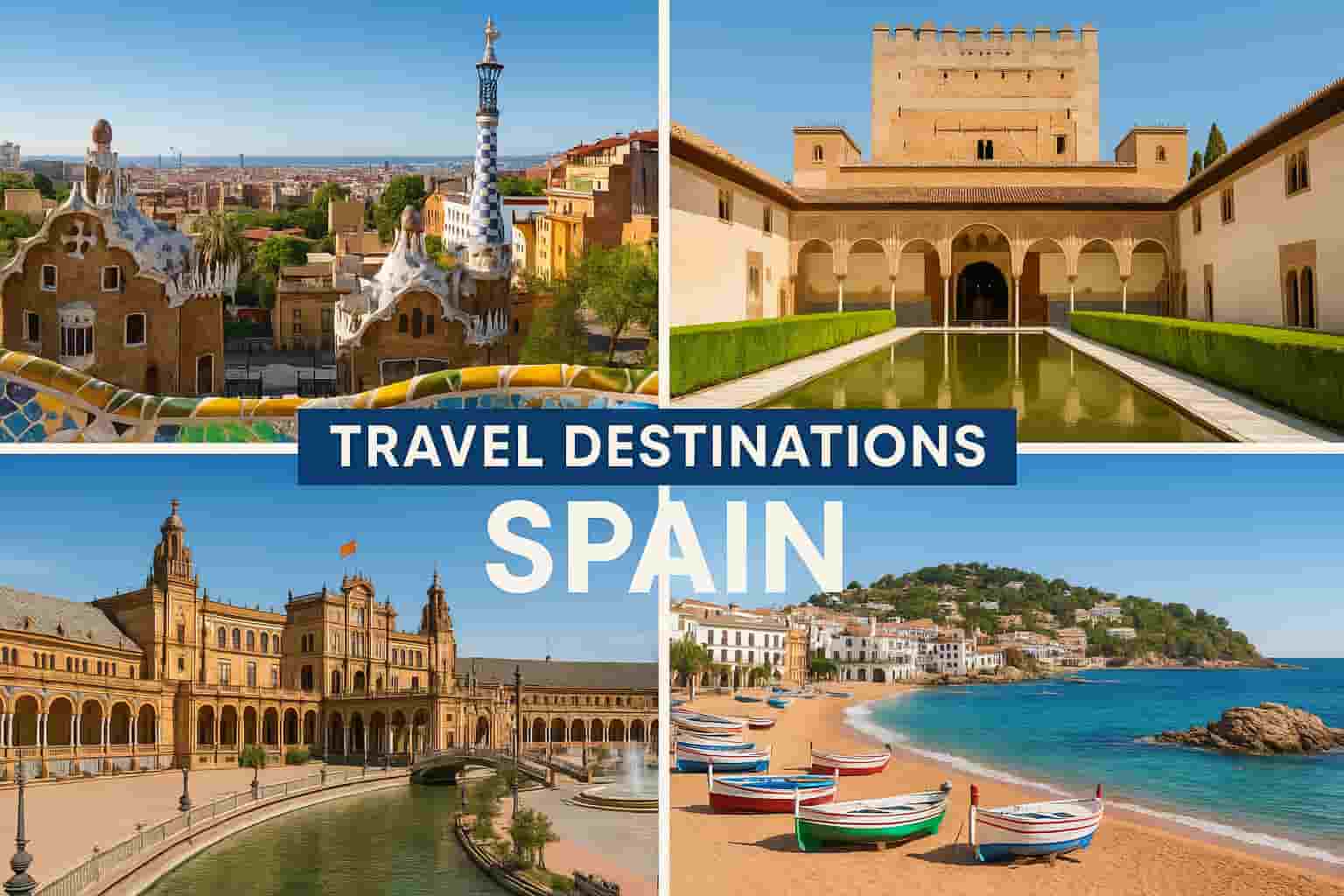
Quick guide
Where should you go in Spain?
Spain is best planned by region and travel style. The north feels green, coastal and Atlantic. The east is Mediterranean and urban. The centre is historic and wide open. The south brings Andalusian culture, Moorish architecture, flamenco and intense summer heat. The islands offer beach, volcanic and slow-travel routes.
Use this guide as a planning layer: first choose your type of trip, then compare regions, then select cities, nature routes and cultural experiences that match your season.
Classic Spain route
Madrid, Barcelona, Seville, Granada and Valencia give a strong first overview of cities, art, food and architecture.
Beach and Mediterranean
Costa Brava, Valencia, Andalusian coast and the Balearic Islands work well for sea, food and summer travel.
Mountains and parks
Sierra Nevada, Picos de Europa, Doñana, Cabo de Gata and northern Spain offer strong nature routes.
Destination chooser
Choose your Spain destination by travel style
The best destination depends on what you want to experience. Spain can mean museums, tapas, hiking, beaches, pilgrim routes, languages, festivals or regional identity.
Madrid
Best for the Prado, Reina Sofía, royal history, parks, day trips and central travel connections.
Madrid travel guideBarcelona
Best for Gaudí, Mediterranean urban life, beaches, Catalan culture and modernist architecture.
Spain destinations hubSeville and Granada
Best for flamenco, Moorish architecture, tapas, plazas, patios, the Alhambra and historic old towns.
Seville travel guideBasque Country and Galicia
Best for pintxos, seafood, Atlantic landscapes, strong regional identity and culinary travel.
Culture in SpainBalearic Islands and coast
Best for coves, islands, summer holidays, Mediterranean light and relaxed coastal itineraries.
Explore more destinationsToledo, Córdoba and Santiago
Best for layered history, religious heritage, old towns, walking routes and cultural depth.
Spanish culture guidesSpain by region
Where to go in Spain: regions from north to south
Spain is divided into distinct regions, each with its own landscape, climate and culture. Knowing the geography helps you choose the right destination for hiking, history, food, beaches or language learning.
| Region / area | Best for | Travel feeling | Good season logic |
|---|---|---|---|
| North: Basque Country, Asturias, Galicia | Green landscapes, food, Atlantic coast, local identity. | Lush, coastal, traditional and less Mediterranean. | Summer and early autumn are attractive for milder temperatures. |
| East: Catalonia, Valencia, Balearic Islands | Mediterranean cities, beaches, architecture, paella, islands. | Urban, coastal, bright and strongly regional. | Spring, early summer and autumn are especially comfortable. |
| Centre: Madrid, Castilla-La Mancha, Extremadura | Museums, history, day trips, royal heritage, wide landscapes. | Historic, central, open and often dry. | Spring and autumn are best for city and inland travel. |
| South: Andalusia and Murcia | Flamenco, Moorish architecture, tapas, beaches, white villages. | Warm, expressive, historical and culturally dense. | Spring and autumn are easier; summer can be very hot inland. |
| Islands: Canary Islands | Volcanic landscapes, winter sun, hiking, beaches, mild climate. | Atlantic, volcanic, subtropical and year-round. | Strong choice for winter sun and nature travel. |
Top destinations
Top 10 must-see places in Spain
These destinations capture Spain’s diversity: royal cities, Mediterranean architecture, Moorish palaces, food capitals, pilgrimage routes, medieval towns and islands.
1. Barcelona
Gaudí architecture, beach atmosphere, Catalan culture and a strong city-break structure.
2. Madrid
Royal capital, world-class museums, parks, food markets and day trips.
Plan Madrid3. Granada
Alhambra, Albaicín, mountain views and one of Spain’s strongest Andalusian atmospheres.
4. Seville
Flamenco, tapas, Moorish palaces, Cathedral, Giralda, Las Setas and spring festivals.
Plan Seville5. Valencia
Futuristic architecture, beaches, rice culture and the birthplace of paella.
Plan Valencia6. San Sebastián
Basque food culture, pintxos, coastal elegance and one of Spain’s great culinary scenes.
7. Córdoba
Mezquita, patios and a powerful mix of Islamic, Jewish and Christian history.
8. Santiago de Compostela
Pilgrimage destination, Galician culture and a deep spiritual landscape.
9. Toledo
Hilltop city of swords, cathedrals, legends and layered religious history.
10. Ibiza
Crystal coves, sunsets, yoga retreats, old-town heritage and island rhythms beyond nightlife.
Interactive map
Discover Spain on the map
Use the map to connect major destinations with geography. Click a button or marker to zoom into a city or region.
Nature and landscapes
Spain’s natural wonders: beaches, mountains and more
Spain’s nature is as diverse as its culture. From sunlit coasts to dramatic peaks and wetlands, these regions show the country’s ecological and geographical variety.
Costa Brava
Wild coves, clear water and Mediterranean pine forests. Best for coastal walks, villages and swimming.
Sierra Nevada
Snowy slopes in winter, alpine trails in summer and mountain scenery near Granada.
Doñana National Park
One of Europe’s important wetland regions and a major area for birds and wildlife.
Picos de Europa
Limestone cliffs, deep gorges, villages and mountain routes in northern Spain.
Cabo de Gata
Volcanic rock formations, quiet beaches and a desert-like coastal landscape in Andalusia.
Canary Islands
Volcanic landscapes, mild weather, beaches, hiking and year-round outdoor travel.
Regions and identity
Spain and identity: regions, languages and autonomy
Spain is a mosaic of identities. Autonomous communities bring their own history, culture, language and local perspective into the national fabric. This matters for travel because every region feels different.
Catalan culture
Catalan language, modernist architecture, strong regional government and Mediterranean identity.
Euskara and food culture
A unique non-Romance language, strong identity, pintxos and Atlantic urban landscapes.
Galician and pilgrimage
Galician language, maritime culture, Celtic echoes and the Camino de Santiago.
Flamenco and Moorish heritage
Flamenco culture, white villages, patios, Islamic architecture and strong festival traditions.
Rice, coast and festivals
Valencian language context, paella origins, Mediterranean beaches and Las Fallas.
Atlantic island identity
Volcanic landscapes, island culture, subtropical climate and long-distance travel logic.
Food map
Culinary Spain: regions through taste
Spanish cuisine changes strongly by region. Food is one of the easiest ways to understand geography, climate, identity and local vocabulary.
Valencia
Paella Valenciana connects rice, agriculture, family meals and regional pride.
Basque Country
Pintxos turn small bites into a social and culinary ritual.
Andalusia
Gazpacho and salmorejo make climate visible through food.
Madrid
Cocido madrileño reflects the capital’s colder inland winter food tradition.
Galicia
Tarta de Santiago and seafood connect pilgrimage, Atlantic landscapes and local identity.
Catalonia
Market food, seafood, rural dishes and modern gastronomy sit close together.
Travel timing
When to visit Spain: seasons and festivals
Spain is active all year. The best season depends on whether you want beaches, museums, festivals, hiking, city breaks or quieter travel.
| Season | Weather logic | Best for | Planning note |
|---|---|---|---|
| Spring: March–May | Mild and blooming in many regions. | City trips, sightseeing, Semana Santa, Fallas, Córdoba patios. | Book early for major festival periods. |
| Summer: June–August | Hot inland, lively on the coast and islands. | Beaches, islands, music events, nightlife and mountain escapes. | Avoid intense midday heat in inland Andalusia and Madrid. |
| Autumn: September–November | Cooler, harvest season and comfortable travel. | Wine routes, food travel, cities, hiking and fewer crowds. | Strong season for flexible itineraries. |
| Winter: December–February | Cold in the north and centre, milder in the south and islands. | Museums, culture, Christmas, Reyes Magos, skiing, winter sun. | Good for low-season city travel outside holidays. |
Best all-round months
April, May, September and October are often easiest for mixed city, culture and outdoor travel.
Best for beaches
June to September works well for coastal regions and islands, with stronger heat inland.
Best for culture without crowds
November to February can work well for museums, food, cities and slower cultural travel.
Continue planning
More MundoDele guides for Spain travel and Spanish learning
Use these internal pages to connect destination planning with Spanish learning, culture and specific city guides.
FAQ
Frequently asked questions about Spain travel timing
What is the best time to visit Spain for good weather?
Spring from March to May and early autumn from September to October are usually the easiest seasons for pleasant weather, city trips, hiking and sightseeing across many regions.
Which Spanish destinations are best for a first trip?
Madrid, Barcelona, Seville, Granada, Valencia and the Balearic Islands are strong first-trip choices. They combine culture, food, architecture, transport and clear travel infrastructure.
When are the biggest festivals in Spain?
Major festivals include Semana Santa in spring, Las Fallas in March, Feria de Abril in Seville and many regional summer festivals. Dates can change, so check the exact year before booking.
Is winter a good season to visit Spain?
Yes. Winter is good for museums, food, cultural travel, Christmas traditions, skiing and milder regions such as Andalusia or the Canary Islands.
When is the off-season for Spain travel?
November to February, excluding holiday periods, is usually lower season for many city destinations. It is useful for museums, food, culture and fewer crowds.
Which regions are best for summer vacations?
Coastal regions such as Costa Brava, the Balearic Islands, Costa del Sol and northern Atlantic Spain are popular in summer. Inland cities can be very hot, so plan mornings, evenings and shade carefully.