
Sierra de Guadarrama National Park – Hiking, Nature & Day Trips from Madrid
Why visit Sierra de Guadarrama?
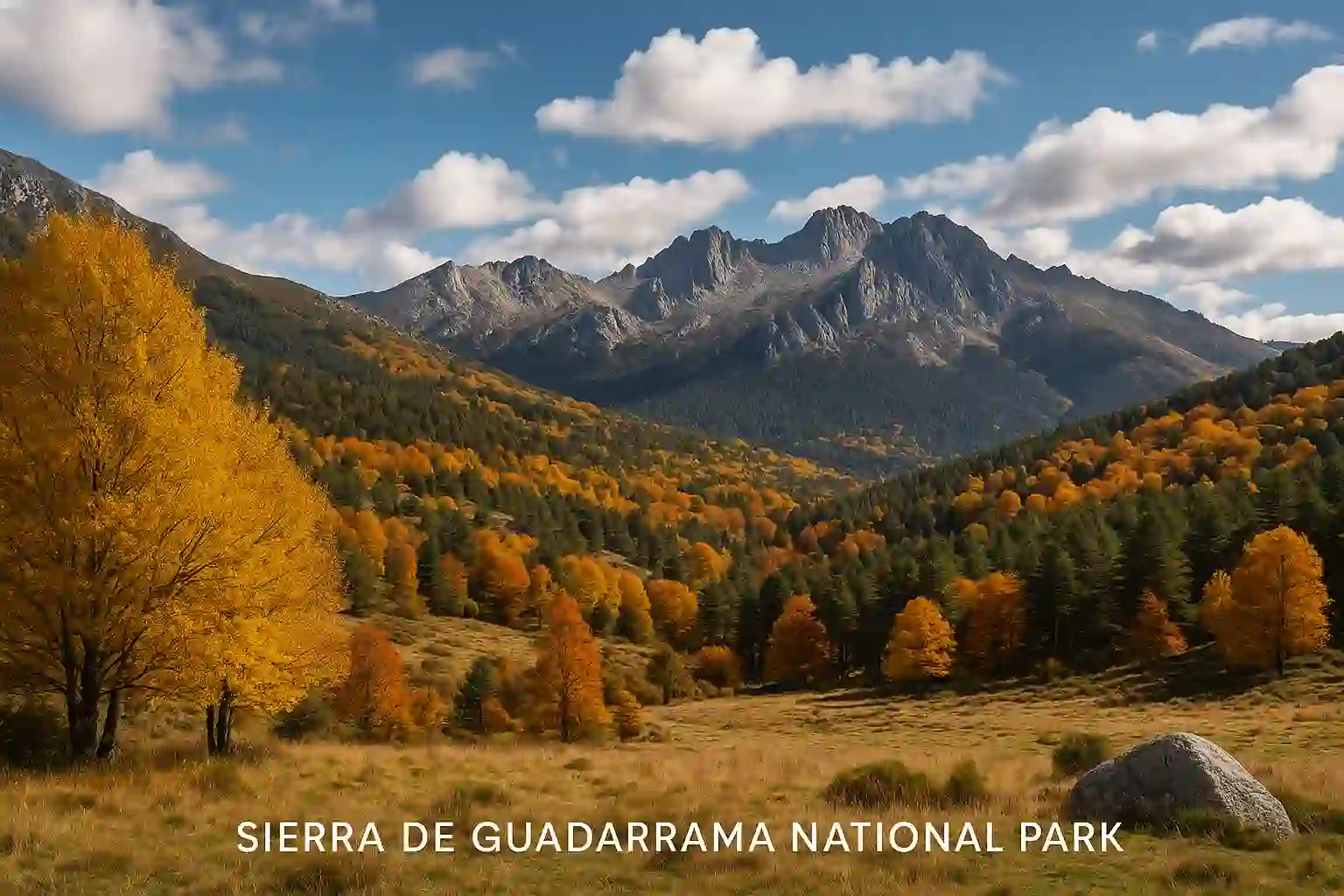
Declared a National Park in 2013, Sierra de Guadarrama preserves unique ecosystems of the Iberian Peninsula. It stretches across two provinces, Madrid and Segovia, and includes more than 30 peaks above 2,000 meters. The park is home to eagles, wild boars and Iberian wolves, making it not only scenic but ecologically vital.
Main highlights
- Peñalara Peak: the highest mountain in the park at 2,428 m, with glacial lakes along the trails.
- La Pedriza: a granite landscape of surreal rock formations, popular with climbers and hikers.
- Monastery of El Paular: historic landmark surrounded by forests in Rascafría valley.
- Wildlife: more than 1,200 species including griffon vultures, mountain goats and red deer.
Who is it for?
The park appeals to hikers, nature photographers, families and those looking for a day trip away from Madrid’s bustle. With trails ranging from easy walks to challenging climbs, there’s something for every level of outdoor enthusiast.
Best time to visit
Spring and autumn are the most popular seasons, offering mild weather and vibrant colors. In summer, trails are cooler than the city, while winter brings snow to higher peaks, turning the area into a skiing and snowshoeing hub.
- Bring layers – mountain weather can change quickly.
- Carry water and snacks; some routes are remote.
- Wear sturdy hiking shoes for rocky trails.
How to get there
By car, the park is just over an hour from Madrid. Public buses run to towns like Navacerrada and Rascafría, but guided tours are the most convenient option for day trippers. These tours usually include transport, guides and selected hiking routes.
Tickets & booking
- Guided tours: €50–70 per person, often including transport and guide.
- Duration: full-day tours last 7–9 hours.
- Languages: English and Spanish guides available.
- Booking: online reservation recommended, especially on weekends.
Why combine Guadarrama with language learning?
Many students and travelers pair outdoor experiences with Spanish immersion. After a day in the mountains, continuing with an intensive Spanish course creates a balance between physical activity and cultural learning. Nature, language and culture go hand in hand.