
Traditional Cantina Tour – Drinks, Botanas & Downtown Culture
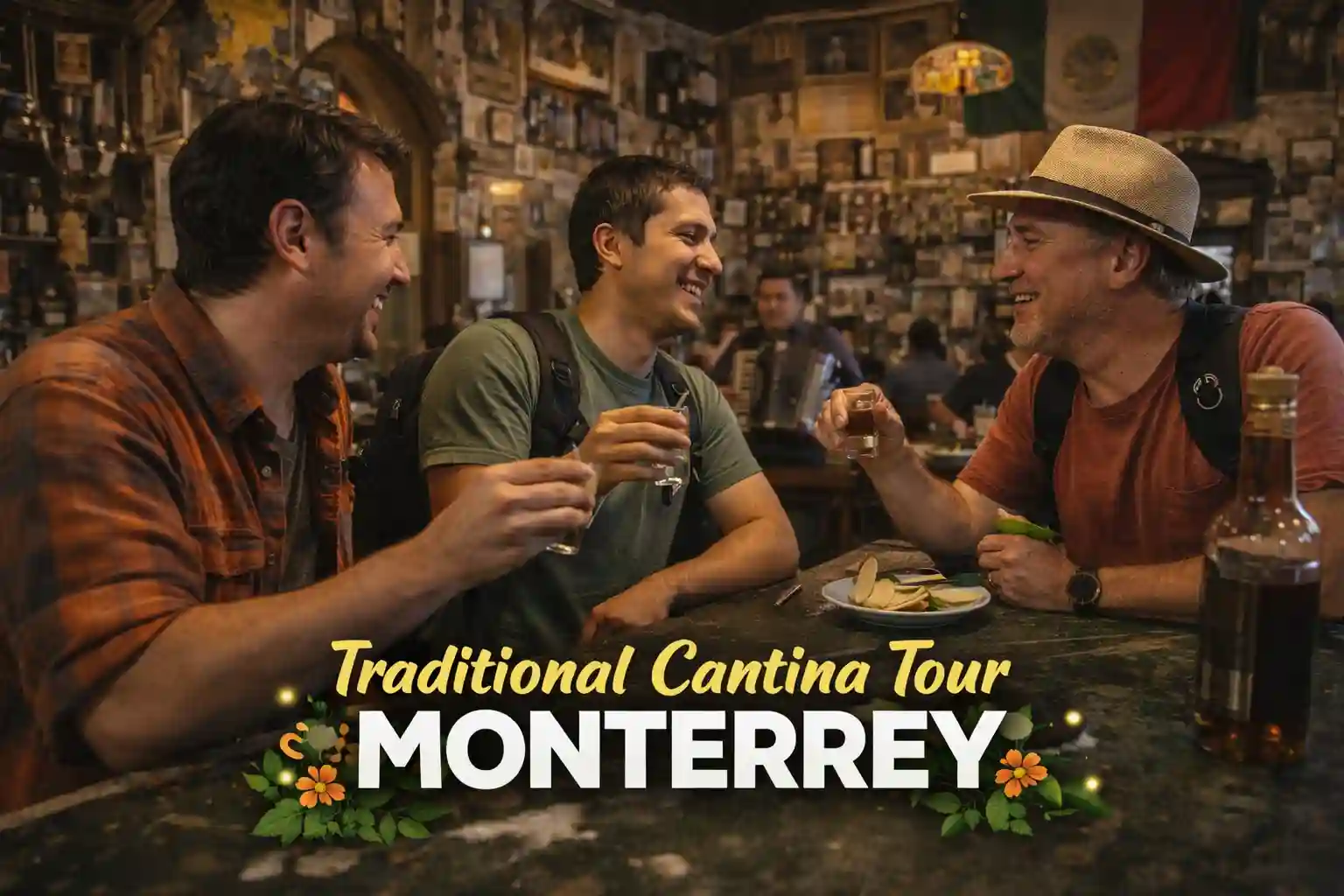
Why This Cantina Experience Stands Out
- Authentic social institution: Cantinas aren't tourist bars but century-old community gathering spaces; understand Mexican drinking culture properly.
- Botana tradition: Complimentary snacks arrive with each drink round; from peanuts to elaborate tostadas, part of cantina economics and hospitality.
- Historic establishments: Visit cantinas operating since 1920s-1940s; original wood bars, vintage decor, family ownership spanning generations.
- Local guide context: Navigate unwritten cantina rules, understand regional drinks, learn history and cultural significance of each establishment.
- Downtown atmosphere: Experience Monterrey's working-class drinking culture; lawyers, construction workers, artists all share the same bar.
What's Included
- Professional local guide
- 3-4 traditional cantinas visited
- 3-4 alcoholic drinks included
- Botanas (snacks) at each cantina
- Walking tour of downtown area
- Cultural and historical context
- Local drinking customs explained
- Optional food stops (additional cost)
Tour Experience
- Meeting point: Central downtown location; guide introduces cantina culture, history, and evening plan.
- First cantina: Classic establishment, often 80+ years old; order traditional northern Mexican beer, receive botanas, observe regular clientele.
- Cantina etiquette lesson: Guide explains customs — how to order, tip, interact; unwritten rules that separate tourists from knowing visitors.
- Second stop: Different style cantina; try regional spirits (mezcal, sotol, or quality tequila); more elaborate botanas arrive.
- Downtown walk: Short stroll between cantinas; guide narrates neighborhood history, points out architectural details, explains social dynamics.
- Third cantina: Perhaps more upscale or specialized; craft beer focus, mezcalería, or cantina with live music tradition.
- Local interaction: Guide facilitates conversation with bartenders and regulars; hear stories, recommendations, insider perspectives.
- Optional food stop: Street taco stand or late-night eatery (not included but guide recommends if interested).
- Final cantina or bar: Conclude tour at establishment with evening energy; option to stay independently or return to hotels.
Understanding Mexican Cantina Culture
Cantinas evolved as working-class social clubs — places men gathered after work to drink, eat, discuss politics, and escape family obligations. Historically male-only (laws changed 1980s-1990s), they developed specific customs: botanas provided free to ensure patrons didn't drink on empty stomachs, bartenders extended credit to regulars, and political debates happened at the bar rather than homes. Northern Mexican cantinas differ from central/southern ones — less mariachi sentimentalism, more direct conversation, stronger business culture influence. Monterrey's cantinas reflect the city's industrial working-class heritage: practical, unpretentious, focused on quality drinks and honest hospitality rather than tourist-friendly atmosphere.
The Botana Tradition Explained
- Economic model: Botanas included in drink price; prevents drunk patrons, encourages additional rounds.
- Progressive complexity: First round: peanuts or chips. Second: tostadas or ceviche. Third: more elaborate dishes.
- Regional variations: Northern Mexico emphasizes meat-based botanas; Monterrey adds machaca, carne seca, chicharrón.
- Social function: Shared plates encourage conversation; eating slows drinking pace; bartender judges patron state by food consumption.
- Quality indicator: Good cantinas take botanas seriously; elaborate free food signals establishment pride and financial health.
Practical Details
3-3.5 hours · Evening departure: 7:00 PM or 8:00 PM · Walking pace relaxed with sitting time · Ends 10:00-11:30 PM · Thursday-Saturday recommended
- Easy walking totaling 1-2 km between cantinas; mostly flat downtown streets
- Drinking pace moderate; 3-4 drinks over 3+ hours with substantial food
- Standing/sitting mix; bar seating often available but not guaranteed
- Must be 18+ years old (Mexico's legal drinking age)
- Cash (500-800 pesos recommended) for additional drinks, tips, food purchases
- Valid ID proving legal drinking age
- Comfortable walking shoes suitable for downtown sidewalks
- Light jacket (air conditioning in cantinas can be cold)
- Open mind and curiosity about local culture
Who Is This Tour For?
- Culture seekers: Interested in authentic Mexican social institutions beyond tourist presentations.
- Social drinkers: Enjoy alcohol in cultural context; appreciate quality spirits and regional beer traditions.
- History enthusiasts: Fascinated by how drinking culture reflects broader social and economic history.
- Local interaction lovers: Want to meet actual Monterrey residents in their natural social environment.
- Experienced travelers: Appreciate guided introduction to spaces they might feel uncomfortable entering alone.
Best Times for Cantina Tours
- Thursday-Saturday evenings: Cantinas most lively; regular clientele present, bartenders in good spirits, authentic atmosphere.
- Friday afternoon variation: Some tours start 5:00-6:00 PM catching after-work crowd; different energy than evening tours.
- Avoid Sundays: Many traditional cantinas closed; those open have subdued family atmosphere.
- Year-round activity: Indoor venues unaffected by weather; consistent experience regardless of season.
- Later start preferred: 8:00 PM departure allows cantinas to fill with regulars; more authentic interactions.
Drinks You'll Encounter
- Carta Blanca / Tecate: Classic northern Mexican lagers; brewed in Monterrey, ice-cold, perfect with botanas.
- Michelada: Beer with lime, salt, hot sauce, served in salt-rimmed glass; hangover cure and refreshing tradition.
- Tequila (quality reposado): Aged tequila sipped neat; traditional cantinas stock excellent brands rarely exported.
- Mezcal (artisanal): Smoky agave spirit gaining popularity; guide explains production regions and flavor profiles.
- Sotol: Northern desert spirit from wild plant; uniquely regional, earthy flavor, increasing craft production.
- Whisky (blended Scotch): Surprisingly popular in northern Mexico; business culture influence, served with mineral water.
Insider Tips
- Pace yourself: Botanas are substantial; eating them prevents over-intoxication and enhances experience.
- Cash is king: Most traditional cantinas cash-only; ATMs nearby but bring sufficient pesos.
- Tip bartenders directly: 20-30 pesos per round appreciated; ensures good service and respect for establishment.
- Ask guide for recommendations: Returning independently later? Guide provides names, addresses, best times.
- Try regional specialties: Sotol rarely available outside northern Mexico; mezcals different from Oaxaca versions.
- Observe before participating: Watch how regulars interact; mimicking local behavior shows respect.
- Photography discretion: Ask permission before photographing regulars; bars and architecture fine, people require consent.
What Makes This Tour Authentic?
- No tourist cantinas: Visit establishments serving primarily local clientele; tourists welcome but not the target audience.
- Knowledgeable local guide: Native regiomontanos who drink in these cantinas personally; insider access and respect from bartenders.
- Historical depth: Learn how cantina culture reflects Monterrey's industrial working-class history and northern Mexican identity.
- Economic understanding: Discover why botanas exist, how credit systems work, cantina business models.
- Contemporary relevance: See how traditional cantinas adapt to changing Mexico; women's presence, craft beer influence, modernization tensions.
Cantina Etiquette & Customs
- Greeting ritual: Nod or brief acknowledgment to bartender and regulars upon entering; shows respect.
- Ordering directly: State your drink clearly; cantinas aren't cocktail lounges, bartenders appreciate directness.
- Botana acceptance: Eat what arrives; refusing botanas insults cantina's hospitality tradition.
- Tab vs cash: Regulars run tabs; tourists typically pay per round; follow guide's lead.
- Political discussions: Cantinas are debate spaces; passionate political talk normal, stay respectful if joining.
- Closing time flexibility: Official closing hours exist but enforcement relaxed for regulars; guide knows when to move on.
Historical Cantinas You Might Visit
- La Tumba: Operating since 1943; unchanged vintage interior, legendary botanas, serious tequila selection.
- El Cero Cero: 1920s establishment; named for double-zero tequila blend, survived prohibition era, family-owned.
- La Parroquia: Central location near cathedral; mixed clientele from lawyers to artists, elaborate afternoon botanas.
- Los Equipales: Traditional furniture (equipales are Mexican leather/wood chairs); emphasis on mezcal and sotol.
- La Polar: Worker-focused cantina; authentic working-class atmosphere, generous portions, direct service.
Combine With
- Night city tour: Start with illuminated landmarks tour, continue with cantina experience. Book night tour.
- Day city tour foundation: Morning historical context, evening application in actual social spaces. Book day tour.
- Barrio Antiguo extension: Post-tour, explore nearby colonial quarter's live music venues and modern bars.
- Weekend market morning: Balance previous night's drinking with fresh air at Saturday/Sunday mercados.
Northern Mexican Drinking Culture
Northern Mexico's drinking traditions differ significantly from central and southern regions. Less romantic sentimentalism (mariachi sadness), more straightforward social lubrication. Beer dominates over pulque or aguardiente. Business discussions happen over drinks — deals sealed with handshakes accompanied by whisky. Women's cantina presence increased dramatically since 1980s legal changes, though some old-guard establishments maintain implicitly male atmosphere through decor and customs. Monterrey's industrial wealth created middle-class drinking culture: quality spirits over quantity, craft beer experimentation, but maintained working-class cantina aesthetic and egalitarian bar ethos where executives and laborers drink side-by-side.
Safety & Practical Considerations
- Moderate pace built-in: Tour structure includes walking, sitting, eating; prevents rapid intoxication.
- Guide monitoring: Experienced guides watch group consumption; adjust pace if needed, ensure everyone comfortable.
- Safe establishments: Selected cantinas in secure areas; guide knows owners and bartenders personally.
- Group safety: Never alone; walking between venues done together; guide handles any issues.
- Transportation options: Guide arranges taxis or Uber for anyone needing direct hotel return.
- Water availability: Bottled water provided; staying hydrated crucial in drinking context.
Food Beyond Botanas
- Street tacos post-tour: Classic ending; guide knows legendary late-night taco stands near cantina zone.
- Tortas ahogadas: Guadalajara sandwich drowned in sauce; surprisingly popular in Monterrey cantinas and street stands.
- Cabrito preparation: Some cantinas have kitchens serving full meals; roasted goat excellent with beer.
- Menudo availability: Weekend mornings, many cantinas serve tripe soup; traditional hangover cure.
- Northern specialties: Machaca, carne seca, chicharrón appear in botanas; taste regional preservation traditions.
Understanding the Social Geography
Downtown Monterrey's cantina concentration reflects historical urban patterns. Working-class neighborhoods surrounding industrial zones developed cantinas as escape valves — men living in crowded housing sought public social space. Post-WWII economic boom created middle-class cantina culture: better quality establishments, business meeting venues, family-owned institutions spanning generations. Modern gentrification threatens traditional cantinas — rising rents, changing demographics, younger generation's preference for craft beer bars over classic cantinas. This tour captures institutions whose future remains uncertain; experiencing them now means witnessing living history before it potentially transforms or disappears.
Women & Cantina Culture
- Historical exclusion: Women legally barred until 1982 federal law; cultural resistance continued decades longer.
- Current reality: Women welcome in most cantinas; some old establishments maintain subtle exclusionary atmosphere.
- Tour inclusion: Mixed-gender groups comfortable on tours; guide selects welcoming establishments.
- Local women's participation: Younger regiomontanas reclaim cantina spaces; challenging traditional gender dynamics.
- Respect both ways: Women tourists should expect respectful treatment; understanding historical context helps navigate lingering awkwardness.
Craft Beer Movement Impact
- Traditional cantina response: Some embrace craft beer, others resist; creates interesting generational/philosophical divide.
- Hybrid establishments: New cantinas blend traditional botana service with craft beer selection; appealing to younger clientele.
- Monterrey craft scene: Growing local breweries (Primus, Calavera, Colima) challenge Carta Blanca/Tecate dominance.
- Pricing tensions: Craft beers cost 3-4x traditional lagers; changes cantina economics and clientele mix.
- Quality debate: Traditionalists argue craft beer pretentious; modernizers claim it elevates drinking culture.
After the Tour
- Continue in recommended cantinas: Guide provides addresses of favorites; returning independently shows respect and interest.
- Barrio Antiguo nightlife: Ten-minute walk to colonial quarter's bars and live music venues.
- Late-night tacos essential: Follow guide's taco stand recommendations; perfect tour ending.
- Plan return visits: Note which cantinas appealed most; afternoon returns offer different atmosphere.
- Share the experience: Cantina culture remains unknown to most tourists; spread word about authentic drinking traditions.