
Grutas de García Cave Tour – Cable Car, Stalactites & Mountain Views
Why This Cave System Stands Out
- Geological age: Formed 50-65 million years ago; among North America's oldest accessible cave systems.
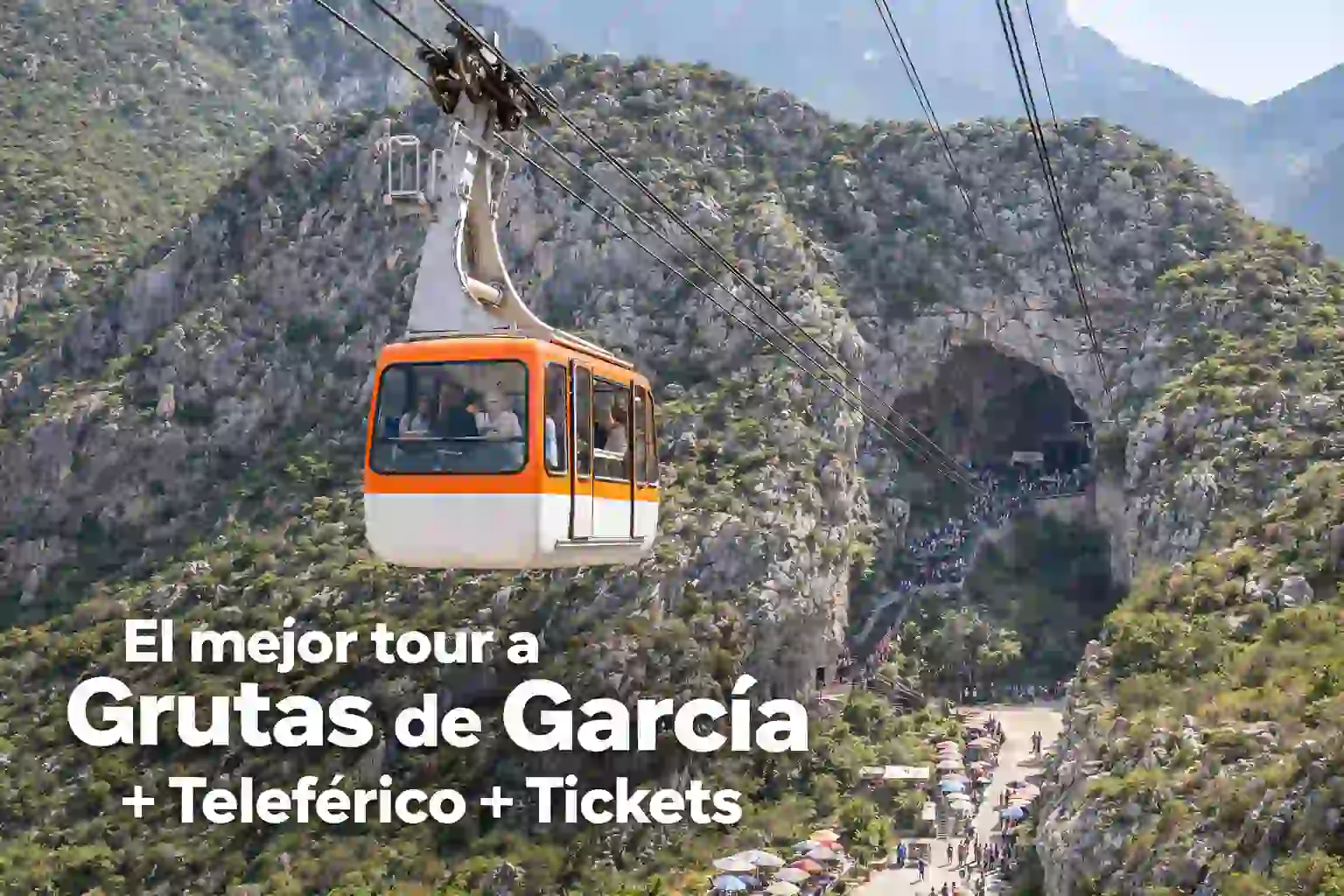
- Swiss cable car: Scenic 650-meter ascent in glass-enclosed gondolas; panoramic views across Nuevo León valleys.
- Massive chambers: 16 interconnected rooms up to 30 meters high; cathedral-like scale with dramatic formations.
- Living cave: Active water drip continues building stalactites and stalagmites; witness geology in real-time.
- Historical discovery: Accidentally found by parish priest Padre Juan Antonio Sobrevilla while seeking shelter from storm.
What's Included
- Round-trip hotel pickup from Monterrey
- Professional bilingual guide
- Round-trip cable car tickets
- Grutas de García entrance fee
- Guided cave tour (approximately 1 hour)
- Safety helmets (provided)
- All transportation
- Free time for photography
Journey Highlights
- Morning pickup: Depart Monterrey hotels; 40-minute scenic drive through Sierra Madre Oriental foothills.
- Cable car ascent: Board Swiss gondola at base station; 7-minute ride climbs 650 meters with valley views unfolding below.
- Mountain arrival: Disembark at 1,700 meters elevation; crisp air, dramatic rock formations, and cave entrance ahead.
- Cave entrance: Descend natural stairway into cool darkness; temperature drops 10-15°C immediately.
- Cathedral Room: First massive chamber reveals scale; 25-meter ceiling dripping with stalactites, columns thick as trees.
- Virgin's Mantle: Iconic flowstone formation resembling draped fabric; constant water drip catches light beautifully.
- Sound & Light: Strategic lighting reveals formations' colors — rust reds from iron, whites from calcium, greys from manganese.
- Deepest chamber: Descend to lowest accessible point; silence broken only by water droplets echoing through stone.
- Return ascent: Climb back toward daylight; eyes gradually adjust from cave darkness to mountain brightness.
- Cable car descent: Ride back down with new appreciation for mountain's geological history; valley spreads wide below.
Understanding Cave Formation
Grutas de García formed during the Cretaceous Period when this region lay beneath an ancient sea. Marine sediments compressed into limestone; then tectonic forces lifted the seabed into mountains. Over millions of years, slightly acidic rainwater dissolved the limestone, creating chambers. Water seeping through rock above deposits calcium carbonate — forming stalactites (hanging down), stalagmites (growing up), and columns (where they meet). A single stalactite grows approximately 2.5 cm per century; some formations here required 500,000+ years to form.
The 16 Main Chambers
- Entrance Hall: Natural vestibule where temperature and light begin transitioning; first glimpse of scale ahead.
- Cathedral Room: Largest chamber at 30 meters high; nicknamed for resemblance to Gothic cathedral interior.
- Virgin's Mantle: Most photographed formation; translucent flowstone drapes like fabric over rock face.
- Frozen Waterfall: Massive calcite deposit resembling cascading water stopped mid-flow.
- The Altar: Flat formation with candle-like stalagmites rising from surface.
- The Theater: Acoustic chamber where voices echo dramatically; guides demonstrate sound properties.
- The Palm Grove: Tall, slender stalagmites resembling desert palm cluster.
- The Gallery: Long corridor lined with diverse formations; geology textbook in three dimensions.
Cable Car Experience
Swiss-engineered Doppelmayr system installed 1991 · 650-meter elevation gain · 7-minute ride duration · 4-person enclosed gondolas · Panoramic windows on three sides
- Valley floor perspective: Agricultural patchwork, small villages, and Monterrey skyline in distance.
- Mountain geology: Exposed limestone layers, erosion patterns, and desert vegetation clinging to slopes.
- Sierra Madre range: Surrounding peaks stretch north and south; sense of mountain system scale.
- Weather changes: Rising through microclimates; often clearer and cooler at summit.
Practical Details
6-7 hours total (including transport) · Cave tour: 60-75 minutes · Departures: 9:00 AM or 10:00 AM daily · Return to Monterrey: 3:00-4:00 PM
- 300+ stairs inside cave (mix of descending and ascending)
- Moderate fitness level required; take breaks as needed
- Uneven surfaces, slippery areas, low ceilings in places
- Not wheelchair accessible; challenging for mobility limitations
- Children must be supervised closely; minimum age typically 5 years
- Closed-toe shoes with good grip (essential; cave floors can be wet)
- Light jacket or sweater (cave is 12-15°C year-round)
- Camera with good low-light capability (flash allowed in most areas)
- Water bottle (stay hydrated at altitude)
- Cash for snacks or souvenirs at summit
Who Is This Tour For?
- Geology enthusiasts: Textbook formations visible up close; guide explains geological processes throughout.
- Photography lovers: Dramatic lighting, unique formations, and scale create compelling compositions.
- Adventure seekers: Combines cable car thrill with underground exploration; memorable contrast to urban Monterrey.
- Families with older children: Educational and exciting; children 8+ typically enjoy the experience most.
- History buffs: Learn about cave discovery, early exploration attempts, and regional geology.
Best Times to Visit
- Morning departures: Better light for photography; cooler temperatures for cable car ride; fewer crowds inside cave.
- October-April: Comfortable outdoor temperatures (15-25°C); clear skies most common for valley views.
- Weekdays: Significantly fewer visitors; more personalized guide attention; easier photography without crowds.
- After rain: Cave water drip more active; formations glisten; increased sense of living geology.
- Avoid summer midday: Cable car ride can be hot (35°C+); cave offers relief but ascent/descent uncomfortable.
Photography Tips for Cave Tours
- High ISO essential: Set camera to 1600-3200 ISO; cave lighting is atmospheric but dim.
- Stabilize shots: Use railings, walls, or bring small tripod; slow shutter speeds required.
- Flash sparingly: Ruins ambient lighting atmosphere; use only for detail shots when permitted.
- Shoot formations backlit: Position yourself so cave lights behind formations create glow through calcite.
- Include scale references: Photograph people next to formations to convey massive size.
- Bracket exposures: Extreme contrast between lit formations and dark backgrounds; multiple exposures capture range.
- Cable car shots: Clean windows before ascent; shoot valley views through glass during ride.
Insider Tips
- Wear layers: Hot outside, cold in cave (12°C), comfortable at summit; easy to adjust crucial.
- Go slow on stairs: Combination of altitude, stairs, and excitement affects breathing; pace yourself.
- Listen for water: Constant dripping sounds reveal active formation; guide points out where new growth occurs.
- Touch only designated areas: Skin oils damage formations; respect barriers protecting delicate structures.
- Summit restaurant: Basic café at cable car top station; coffee and snacks available before/after cave.
- Bring small bills: Restrooms (small fee), souvenirs, and snacks operate cash-only.
- Ask about bats: Small bat colony visible in certain chambers; guide knows where to look safely.
What Makes the Tour Exceptional?
- Triple experience: Cable car engineering marvel, mountain scenery, and underground wonder all in one trip.
- Accessible ancient geology: Unlike many cave systems requiring caving expertise, Grutas de García offers walkways through primordial formations.
- Scale and variety: 16 distinct chambers showcase different geological processes and formation types.
- Regional uniqueness: One of Nuevo León's premier natural attractions; different from coastal or jungle Mexico experiences.
- Knowledgeable guides: Staff trained in geology, history, and safety; passionate about sharing cave's story.
Combine With
- Cola de Caballo waterfall: 30 minutes further south; horseback riding and waterfall hike make excellent afternoon addition. Book combined tour.
- Santiago pueblo mágico: Colonial town near caves; excellent traditional restaurants for lunch after cave tour.
- Fundidora Park: Urban contrast; explore Monterrey's industrial heritage and modern cultural spaces.
- Barrio Antiguo evening: Return to Monterrey historic quarter for dinner and nightlife after day trip.
Understanding Nuevo León Geology
The Sierra Madre Oriental mountain range formed 60-70 million years ago when tectonic forces folded and uplifted ancient seabeds. Grutas de García sits within this limestone belt — remnants of Cretaceous shallow seas. The region's semi-arid climate prevents excessive erosion, preserving cave structures that might collapse in wetter environments. Monterrey's dramatic mountain backdrop (Cerro de la Silla, Sierra Madre peaks) shares this geological history; Grutas de García offers underground perspective on the same forces that created the visible landscape.
Safety & Conservation
- Helmets provided: Mandatory in all chambers; protects from low ceilings and accidental bumps.
- Handrails throughout: Metal railings guide path through all chambers; well-maintained and secure.
- Emergency lighting: Backup systems ensure visibility even during power failures.
- Guide training: All guides certified in first aid; experienced in cave-specific emergency protocols.
- Protected natural monument: State-protected status limits commercial development.
- Visitor capacity controls: Maximum group sizes prevent overcrowding and formation damage.
- No-touch policy: Strict rules protect formations from oils, dirt, and erosion caused by touching.
- Environmental monitoring: Regular studies track cave health, air quality, and formation growth.
Historical Discovery Story
In 1843, Padre Juan Antonio Sobrevilla sought shelter from a sudden mountain storm. Following his mule deeper into what appeared to be a small overhang, he discovered it opened into vast chambers. Initial explorations used torches and rope; early visitors descended by rope ladder into darkness. The caves remained relatively unknown until the 1930s when regional tourism began developing. Modern infrastructure — stairs, lighting, cable car — arrived in stages from the 1950s through 1990s. Today's experience balances accessibility with preservation, allowing thousands to witness what was hidden for 65 million years.
Local Culture & Traditions
- Regional pride: Grutas de García represents Nuevo León's natural heritage; featured in state tourism campaigns.
- School field trips: Generations of regiomontanos (Monterrey locals) visit on educational excursions; shared cultural touchstone.
- Weekend family destination: Popular Sunday outing combining nature, education, and cable car excitement.
- Mountain village economy: Villa de García (nearest town) thrives partly on cave tourism; restaurants and shops cater to visitors.
After the Tour
- Santiago Pueblo Mágico: 20-minute drive; colonial architecture, artisan markets, and traditional Nuevo León cuisine.
- Cola de Caballo: Continue to horsetail waterfall; short hike or horseback ride to 25-meter cascade.
- Local restaurants: Try cabrito (roasted goat), carne asada, and regional specialties in Villa de García.
- Scenic drive: Return via different route through mountain villages and agricultural valleys.
- Monterrey evening: Back in time for dinner at Barrio Antiguo or Fundidora Park cultural events.