
Marbella Old Town Tapas & Walking Tour – Historic Centre Discovery
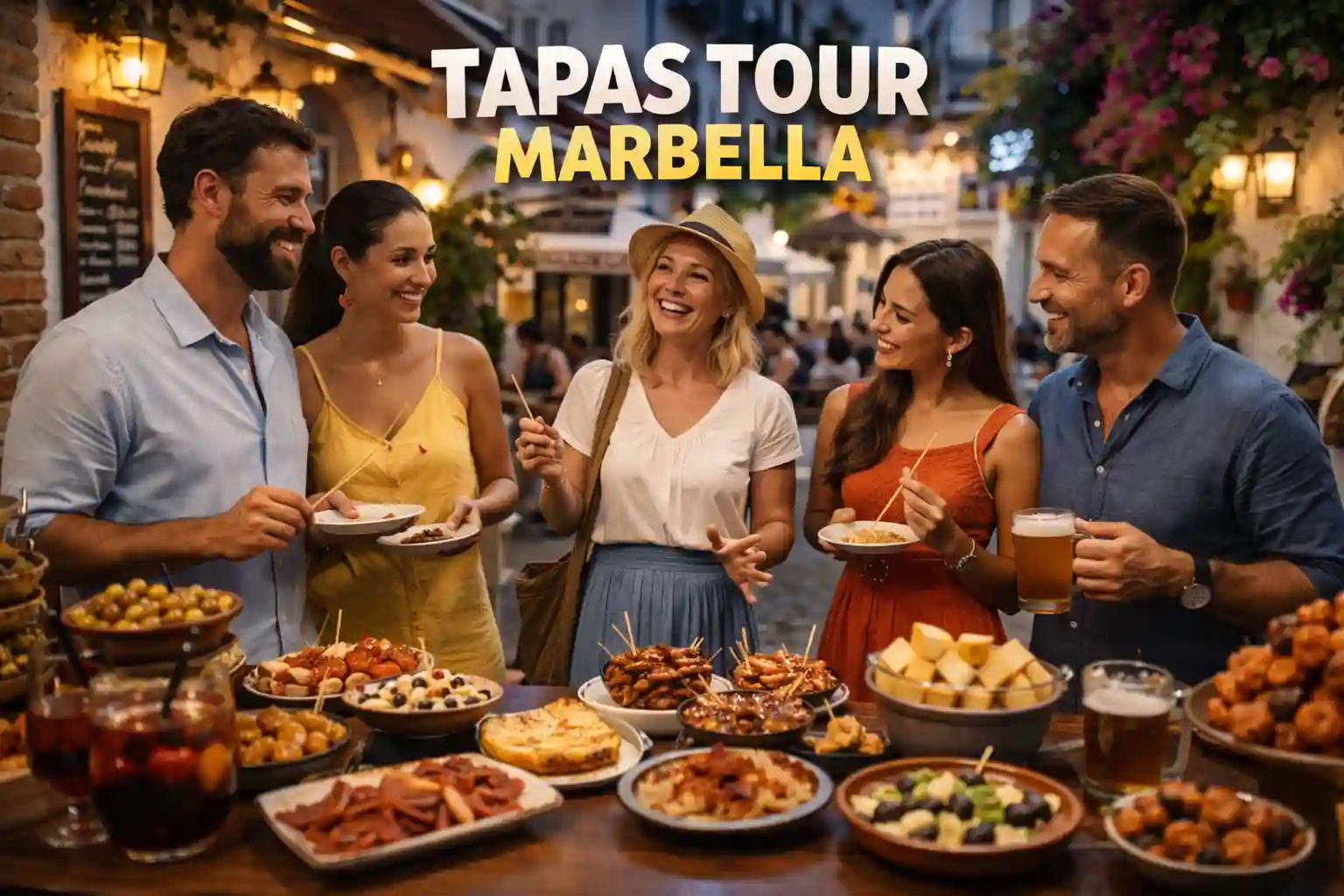
Why This Tour Stands Out
- Local guide: Marbella native shares neighborhood stories, restaurant tips, and family recipes passed through generations.
- Authentic venues: Family-run bars and bodegas where locals eat — no tourist traps or chain restaurants.
- Historic context: Walking tour weaves food stops with architecture, Moorish heritage, and old town evolution.
- Generous tastings: Multiple tapas at each stop plus wine, beer, or soft drinks — enough to replace dinner.
- Small groups: Maximum 12 guests ensures personalized attention and easy bar access.
What's Included
- 3-hour guided walking tour
- Local English-speaking guide
- 4-5 traditional tapas stops
- Multiple tastings at each venue
- Wine, beer, or soft drinks included
- Historic old town highlights
- Restaurant recommendations for later
- Small group (max 12 people)
Tour Highlights
- Plaza de los Naranjos: Starting point beneath orange trees; learn about Marbella's founding and town hall history.
- Moorish quarter: Narrow whitewashed lanes reveal North African influence; stop at centuries-old bodega.
- Traditional tapas bars: Taste jamón ibérico, boquerones (marinated anchovies), salmorejo, tortilla española, and local specialties.
- Market area: Pass through local vendors; seasonal produce and regional ingredients explained.
- Hidden courtyards: Discover patios and passageways tourists miss; photo opportunities between tastings.
What You'll Taste
- Jamón ibérico de bellota: Acorn-fed ham sliced paper-thin; nutty, silky texture
- Boquerones en vinagre: White anchovies marinated in garlic and vinegar — Málaga coastal classic
- Salmorejo cordobés: Thick tomato-bread cold soup; richer cousin to gazpacho
- Tortilla española: Potato-egg omelette; debate over runny vs. firm center
- Gambas al ajillo: Sizzling garlic shrimp in olive oil; bread for mopping essential
- Pimientos de Padrón: Blistered green peppers; most mild, one in ten spicy surprise
- Local cheese: Andalusian goat or sheep cheese with quince paste
Plus house specialties, seasonal variations, and regional wines paired by your guide.
Practical Details
3 hours · Evening tours (typically 6:30 PM or 7:00 PM start) · Check seasonal variations
Plaza de los Naranjos (exact spot confirmed after booking) · Old town center · Easily walkable from most hotels
- Moderate walking (2-3 km); comfortable shoes recommended
- All venues wheelchair accessible (inform guide if needed)
- Dietary restrictions accommodated (note when booking)
- Evening timing means cooler temperatures, lively atmosphere
Who Is This Tour For?
- First-time visitors: Orientation to old town layout plus best restaurants for return visits.
- Food lovers: Deep dive into Andalusian flavors, ingredients, and cooking traditions.
- Couples & friends: Social atmosphere; meet fellow travelers over shared plates.
- Solo travelers: Instant group dining experience; no awkward solo restaurant moments.
- History buffs: Architecture and urban evolution explained between bites.
Understanding Spanish Tapas Culture
Tapas isn't just small plates — it's social ritual. Locals rarely sit for full meals; instead, they "tapear" (go for tapas), moving between bars, standing at counters, and debating which venue makes the best tortilla. The tradition encourages sampling variety, pacing drinks with food, and extending conversations across multiple stops. This tour replicates that rhythm: arrive, taste, discuss, move on. By the end, you'll understand why Spaniards eat dinner at 10 PM.
Best Times to Go
- Shoulder season (Apr–May, Sep–Oct): Pleasant walking temperatures; locals out in full force.
- Evening tours: Bars at peak energy; cooler air after hot afternoons.
- Weeknight departures: More relaxed bar atmosphere; easier conversations with owners.
- Avoid post-beach timing: Come refreshed, not sun-exhausted; you'll appreciate flavors more.
Insider Tips
- Skip lunch: Tour provides substantial food; arrive hungry to enjoy everything.
- Ask about dishes: Guides love explaining regional variations and family recipes.
- Take notes: Jot down restaurant names for return visits; guides share hidden gems.
- Pace your drinks: Wine/beer at each stop adds up; alternate with water.
- Cash for extras: If you want additional drinks or snacks beyond included items.
- Stay afterward: Final stop often becomes impromptu group gathering; join if you're enjoying the company.
What Makes a Great Tapas Bar?
- Locals standing: If Spaniards are at the counter, not sitting, food's probably excellent.
- Napkins on floor: Traditional bars let napkins fall; clean floors sometimes mean tourist focus.
- Handwritten specials: Chalkboards with daily dishes signal fresh, seasonal cooking.
- Loud atmosphere: Good tapas bars buzz with conversation; silence suggests something's off.
- Simple menu: Venues doing 5-10 things perfectly beat those with 50 mediocre options.
Combine With
- Morning beach time: Swim and sun before tour; evening timing works perfectly.
- Pre-tour shopping: Old town boutiques open until 8 PM; browse before meeting.
- Post-tour flamenco: Many shows start 9:30–10 PM; tapas tour ends just in time.
- Next-day market visit: Apply your food knowledge at Mercado Municipal; buy ingredients to take home.
- Wine bar nightcap: Guide recommendations for after-tour drinks if you're not ready to stop.
Dietary Accommodations
- Vegetarian: Easy to accommodate; Spanish cuisine has strong veggie traditions (salmorejo, tortilla, pimientos, cheese).
- Vegan: Possible but requires advance notice; some substitutions necessary.
- Gluten-free: Many naturally GF options (jamón, seafood, salads); inform guide for careful selection.
- Seafood allergy: Easily managed; plenty of land-based tapas available.
- Notify when booking: Advance warning ensures best experience; last-minute restrictions harder to manage.