
Monterrey Travel Guide – Mexico's Mountain City
Why Visit Monterrey
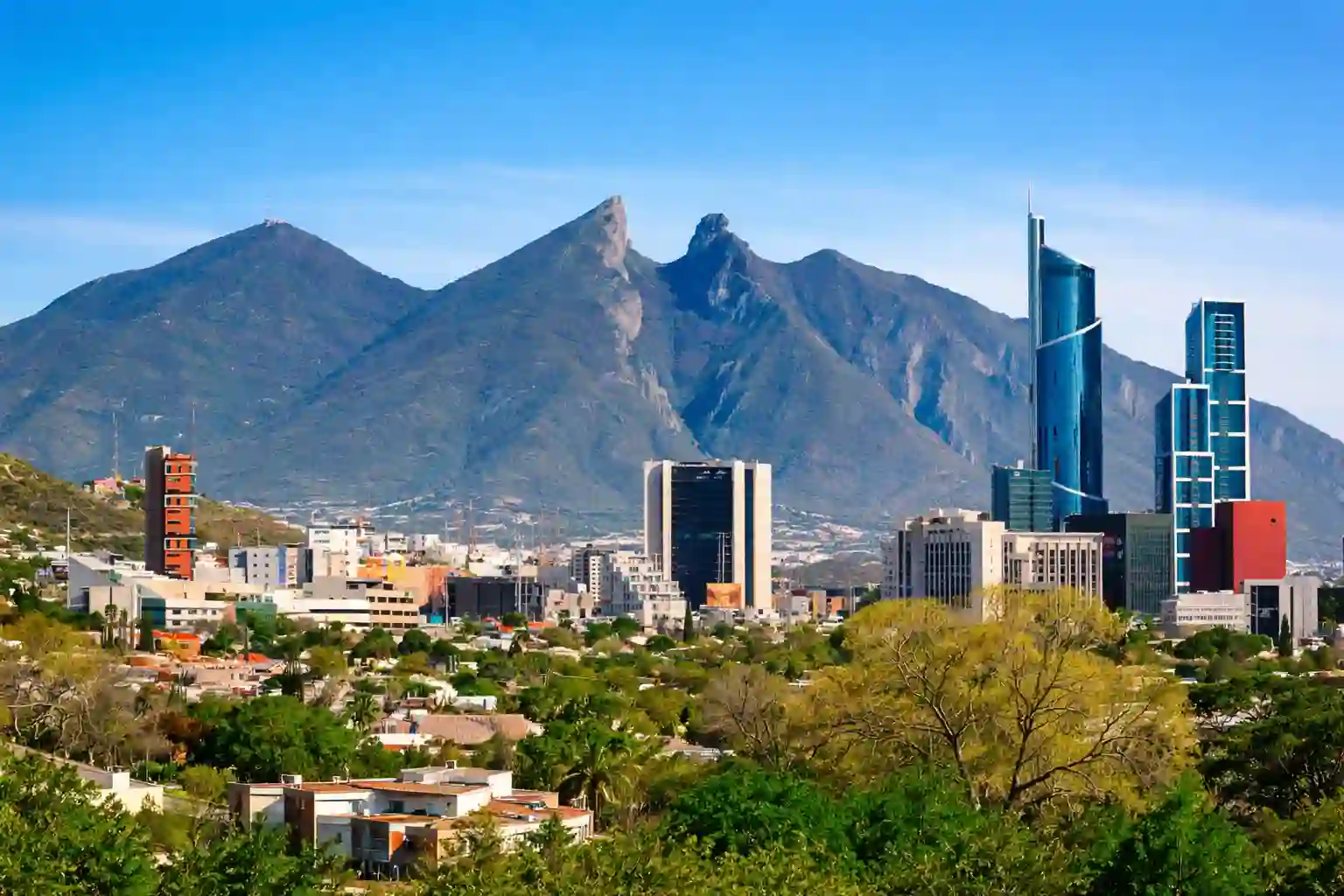
- Dramatic geography: Cerro de la Silla (Saddle Mountain) looms over everything; Sierra Madre Oriental creates impossible skyline backdrop.
- Authentic northern Mexico: Experience culture distinct from central/southern stereotypes; entrepreneurial, direct, mountain-influenced identity.
- Industrial heritage reimagined: Fundidora steel mill transformed into world-class park; history preserved as public art.
- Accessible nature escapes: Waterfalls, caves, and mountain trails within 40-60 minutes of downtown; urban base, nature day trips.
- Underrated food scene: Cabrito (roasted goat), carne asada culture, craft beer explosion, traditional cantinas — culinary identity beyond tacos.
Essential Monterrey Experiences
Monterrey City Tour
Macroplaza, MARCO museum, Barrio Antiguo colonial quarter, Fundidora Park. Comprehensive introduction to history, architecture, and regiomontano culture.
Night City Tour
Faro laser show, illuminated landmarks, Paseo Santa Lucía, traditional dinner. Experience city when locals actually use it — comfortable temperatures, dramatic lighting.
Grutas de García Caves
Swiss cable car, 65-million-year-old limestone caves, 16 massive chambers. Ancient geology meets modern access — stalactites, stalagmites, mountain views.
Cola de Caballo Waterfall
Horseback riding through pine forests, 25-meter cascade, Sierra Madre setting. Family-friendly nature escape combining mountain trails with waterfall photography.
Traditional Cantina Tour
Historic bars, complimentary botanas, regional spirits, drinking culture immersion. Authentic social institutions where generations gather — not tourist nightlife.
Understanding Monterrey's Identity
Monterrey is Mexico's third-largest city but feels fundamentally different from Mexico City or Guadalajara. Founded 1596, it remained relatively small until late 19th-century industrialization transformed it into Latin America's manufacturing heart. Steel, glass, cement — modern Mexico was built with materials produced here. This industrial wealth created distinct culture: entrepreneurial, pragmatic, less religious than central Mexico, more connected to Texas than to Mexico City. The mountains — particularly Cerro de la Silla — define both literal landscape and metaphorical identity: rugged, distinctive, unmistakable. Regiomontanos (Monterrey natives) pride themselves on directness, work ethic, and self-made success. Understanding this context transforms sightseeing into cultural comprehension.
Geography & Climate
- Location: Northeastern Mexico, 225 km south of Texas border, 540 meters elevation.
- Sierra Madre Oriental: Dramatic limestone mountains frame city east and west; peaks reach 2,700+ meters.
- Cerro de la Silla: Iconic saddle-shaped mountain (1,820m) dominates eastern skyline; visible throughout city.
- Climate extremes: Hot semi-arid; summer 35-42°C, winter 10-25°C; low humidity except July-September.
- Best weather: October-November (fall), March-April (spring); comfortable temperatures, clear mountain views.
Getting There & Around
- Mariano Escobedo Airport: 24 km northeast of downtown; direct flights from major US cities, Mexico City, connections throughout Latin America.
- Metro system: Three lines covering main corridors; clean, efficient, but limited tourist-area coverage.
- Uber/taxis: Widely available, affordable; most practical for visitors exploring beyond metro routes.
- Walkability: Downtown pedestrian-friendly; distances between neighborhoods require transport.
- Car rental: Useful for nature excursions (Grutas, Cola de Caballo) but unnecessary for city exploration.
Where to Stay
- Walking distance to major attractions
- Business hotels and historic properties
- Excellent restaurant access
- Can feel corporate on weekends
- Colonial character, nightlife hub
- Boutique hotels, converted houses
- Walking to museums and cantinas
- Noise Thursday-Saturday nights
- Wealthy suburb, upscale shopping
- International chain hotels
- Safe, clean, somewhat sterile
- Requires transport to downtown
- Modern business district
- Shopping centers, restaurants
- Mountain proximity
- Limited cultural attractions
What Makes Monterrey Unique
- Northern Mexican identity: Direct communication, strong work ethic, entrepreneurial spirit — culturally closer to Texas than Mexico City.
- Economic powerhouse: Home to FEMSA (Coca-Cola bottler), Cemex (cement), Alfa (conglomerate); Mexico's highest per-capita income.
- Industrial heritage pride: Unlike cities hiding manufacturing past, Monterrey celebrates steel legacy through preserved blast furnaces.
- Mountain obsession: Cerro de la Silla appears on government logos, business names, cultural identity; hiking popular weekend activity.
- Contemporary architecture: Major international architects commissioned; modern design valued alongside colonial preservation.
Food & Drink Culture
- Cabrito (roasted goat): Regional specialty; young goat slow-roasted over mesquite; try at El Rey del Cabrito or Los Cavazos.
- Carne asada: High-quality grilled beef; weekend tradition; every family has secret marinade recipe.
- Machaca: Dried spiced beef; breakfast staple scrambled with eggs; reflects northern preservation traditions.
- Flour tortillas: Thicker, chewier than central Mexico's corn tortillas; wheat-growing northern preference.
- Glorias: Regional candy (caramel with pecans); perfect souvenir from Dulcería de Celaya.
- Cantinas: Traditional bars with free botanas; social institutions spanning generations.
- Craft beer: Growing scene with breweries like Primus, Calavera, Colima challenging Carta Blanca dominance.
- Mezcal & sotol: Northern spirits distinct from Oaxacan mezcal; desert plant flavors.
- Late dining: Dinner reservations 9:00-10:00 PM normal; heat drives evening social culture.
Multi-Day Itinerary Suggestions
- Day 1: City orientation: Morning city tour covering Macroplaza, museums, Barrio Antiguo; afternoon rest; evening night city tour with dinner.
- Day 2: Nature escape: Full-day Grutas de García caves or Cola de Caballo waterfall; return afternoon; evening cantina tour or independent Barrio Antiguo exploration.
- Day 3: Deep dive: Morning Fundidora Park full exploration (rent bikes, visit museums); afternoon shopping or Chipinque Park hiking; evening at rooftop bar.
- Day 4: Regional exploration: Day trip to Santiago Pueblo Mágico, Presa la Boca lake, or combination cave + waterfall tour.
Best Times to Visit
- October-November (fall): Ideal weather 18-28°C; clear mountain views; fewer tourists than spring; comfortable outdoor exploration.
- March-April (spring): Pleasant temperatures 20-30°C; jacaranda trees bloom purple; good visibility; slightly busier than fall.
- December-February (winter): Cool mornings 10-15°C, warm afternoons 20-25°C; clearest air quality; occasional light rain.
- June-September (summer): Very hot 35-42°C; afternoon thunderstorms; humidity increases; focus on morning activities and evening tours.
Safety & Practical Tips
- Generally safe city: Tourist areas (Macroplaza, Barrio Antiguo, San Pedro) secure; standard urban awareness sufficient.
- Day vs night: Daytime completely comfortable citywide; nighttime stick to main areas, use official taxis or Uber.
- Heat management: Summer extreme (40°C+); stay hydrated, morning activities preferred, AC refuges essential.
- Language: English less common than tourist destinations; basic Spanish helpful; younger professionals often bilingual.
- Currency: Carry some cash pesos; not all vendors accept cards; ATMs widely available.
- Altitude consideration: 540m elevation generally comfortable; nearby mountains reach 2,700m (Cola de Caballo excursions).
Beyond the City
- Santiago Pueblo Mágico: Colonial town 40 minutes south; architecture, traditional restaurants, artisan markets.
- Chipinque Ecological Park: Mountain park on city's edge; hiking trails, lookout points, pine forests.
- Presa la Boca: Mountain reservoir; boat rentals, lakeside restaurants, weekend escape.
- Real de Catorce: Ghost town 5 hours west; silver mining history, desert landscapes, long day trip or overnight.
- Copper Canyon connection: Monterrey sits at southern end of Sierra Madre system; multi-day trips north to Chihuahua.
Cultural Context
Northern Mexico developed differently from central and southern regions. Distance from Mexico City meant relative autonomy; proximity to United States created economic and cultural exchange. Monterrey's industrialization attracted workers nationwide, creating cosmopolitan working-class culture. The city's wealth came from manufacturing, not colonial extraction or tourism, instilling pride in production rather than heritage. This shapes everything: direct communication style (less formal than Mexico City), entrepreneurial mindset, pragmatic problem-solving approach. Religious influence weaker than elsewhere — churches important but not socially dominant. Women entered workforce earlier and in greater numbers. These factors create distinctly modern Mexican identity often misunderstood by visitors expecting colonial charm or beach resort polish.
Museums & Cultural Spaces
- MARCO (Contemporary Art): Ricardo Legorreta-designed museum; Mexican and international artists; rotating exhibitions.
- MUNE (Northeast History): Regional focus from pre-Hispanic through modern; emphasizes Nuevo León's distinct development.
- Museo del Acero (Steel Museum): Inside original Horno 3 blast furnace; interactive exhibits explain industrial heritage.
- Museo del Palacio: State government palace; political history through rooms and murals.
- Planetario Alfa: Science museum with IMAX; separate admission, worth afternoon if interested.
- Paseo Santa Lucía: Not museum but 2.5 km artificial river; art installations, boat rides, promenade connecting Macroplaza to Fundidora.
Shopping & Souvenirs
- Glorias candies: Regional specialty from Dulcería de Celaya; caramel with pecans, portable gifts.
- Leather goods: Northern ranching tradition; quality boots, belts, bags at Mercado Juárez.
- Craft beer: Local brewery bottles; Primus, Calavera available in specialty shops.
- Contemporary art: MARCO museum gift shop; high-quality Mexican design objects, books.
- Artisan markets: Barrio Antiguo weekend markets; textiles, ceramics, jewelry from regional craftspeople.
Monterrey vs Other Mexican Cities
- vs Mexico City: Monterrey: mountains, modern, business-focused, direct culture. CDMX: colonial/contemporary mix, artistic, formal social codes.
- vs Guadalajara: Monterrey: industrial heritage, northern identity. Guadalajara: mariachi tradition, tequila, more conservative.
- vs Oaxaca: Monterrey: contemporary, efficient, economic. Oaxaca: indigenous culture, artisan focus, slower pace.
- vs beach resorts: Monterrey: authentic urban Mexico, business/culture mix. Cancún/Cabo: tourism economy, international atmosphere.