
Premium Tequila Route Tour – Distillery Visit & Professional Tasting
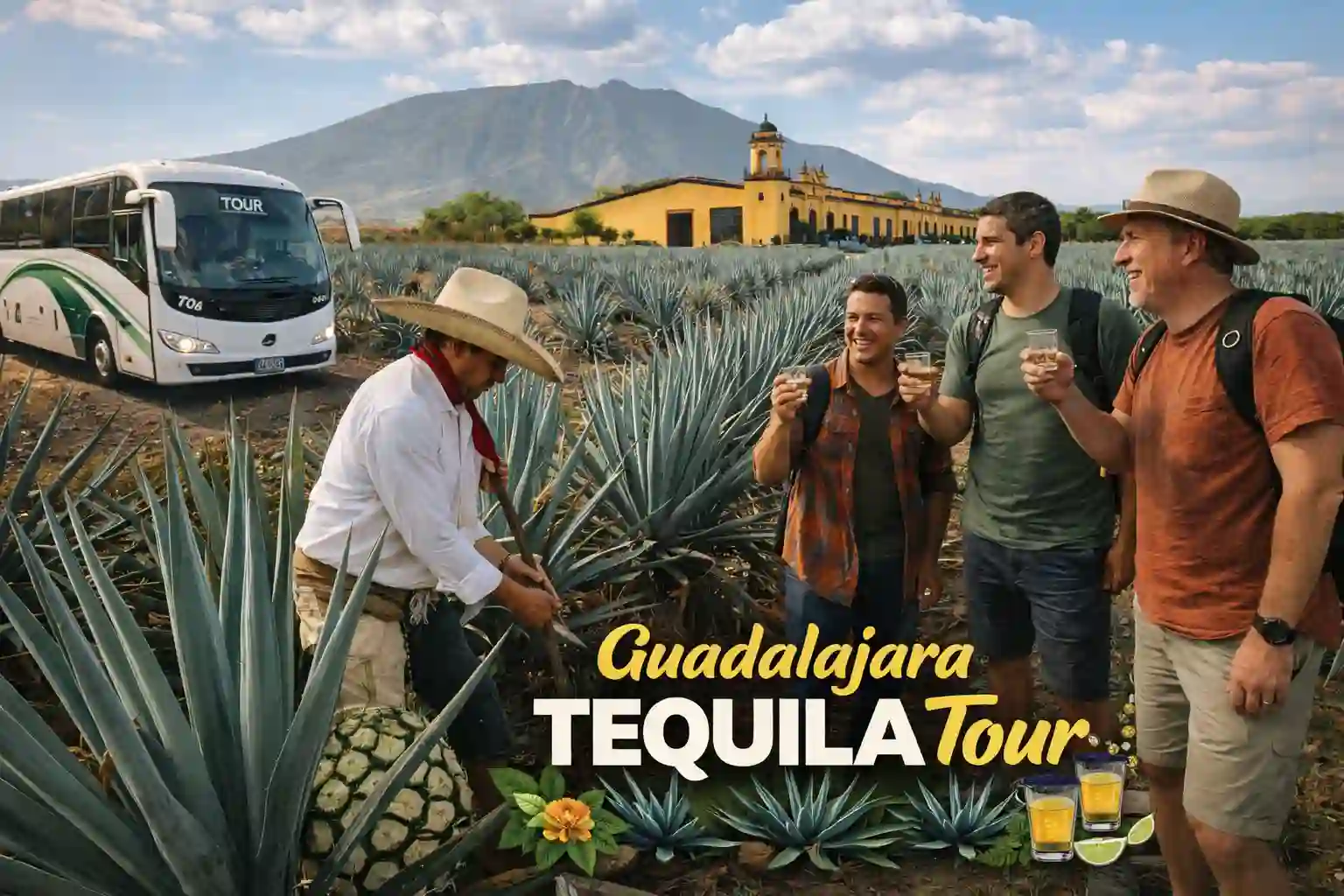
Why This Tequila Experience Stands Out
- Premium distillery access: Visit high-end producers focusing on quality over volume; taste expressions rarely exported.
- Professional tasting methodology: Learn nosing, palate analysis, finish evaluation; certified sommelier techniques applied to tequila.
- Agave landscape immersion: Drive through UNESCO World Heritage agave fields; understand terroir's impact on flavor.
- Production transparency: See complete process from harvested piñas to bottling; access working distillery operations.
- Small group expertise: Maximum 12 people; extensive Q&A with master distillers and tequila experts.
What's Included
- Round-trip transport from Guadalajara
- Professional bilingual tequila guide
- Premium distillery tour
- Professional tasting session (6-8 expressions)
- Agave field visit with explanation
- Traditional lunch (authentic Jalisco cuisine)
- Tequila town exploration time
- Bottled water throughout
Tour Experience
- Morning departure: Leave Guadalajara 9:00-10:00 AM; scenic drive through Jalisco highlands toward agave country.
- Agave landscape introduction: Stop at viewpoint overlooking blue agave fields; guide explains cultivation, jimador work, 7-10 year growth cycle.
- Tequila town arrival: Enter UNESCO World Heritage site; cobblestone streets, colonial architecture, tequila history permeating everything.
- Distillery entrance: Premium producer selected for quality and educational value; no tourist-trap operations.
- Harvesting demonstration: Watch jimador expertly trim agave piña using traditional coa tool; understand skilled labor behind each bottle.
- Production walk-through: See ovens where piñas steam, crushing process (traditional tahona vs modern roller mill), fermentation tanks, copper pot stills.
- Aging cellar visit: Walk among oak barrels; learn how American vs French oak, barrel age, and time create reposado, añejo, extra añejo distinctions.
- Professional tasting session: Guided tasting of 6-8 expressions; learn proper nosing technique, palate mapping, finish analysis.
- Traditional lunch: Authentic Jalisco cuisine at local restaurant; birria, tortas ahogadas, or regional specialties paired with tequila.
- Town exploration: Free time to visit plaza, church, artisan shops; optional purchases at distillery boutique.
- Return to Guadalajara: Afternoon drive back; Q&A session, personal recommendations from guide.
Understanding Tequila Production
Tequila can only be produced in specific Mexican regions, primarily Jalisco. It must contain minimum 51% blue agave (Weber Azul variety), though premium tequilas use 100% agave. Plants mature 7-10 years before harvest. Jimadores cut the piña (heart) weighing 40-90 kg, removing sharp leaves. Piñas steam 24-48 hours, converting starches to fermentable sugars. Crushing extracts aguamiel (agave juice). Fermentation takes 3-5 days, creating low-alcohol liquid. Double distillation in copper pot stills produces clear tequila (blanco/silver). Aging in oak barrels creates reposado (2-12 months), añejo (1-3 years), extra añejo (3+ years). Each step affects final flavor profile; premium producers optimize every variable.
Tequila Classifications Explained
- Blanco (Silver): Unaged or aged under 60 days; pure agave flavor, bright, peppery; best shows terroir and distillation quality.
- Reposado (Rested): Aged 2-12 months in oak; golden color, vanilla and caramel notes, smooth agave base.
- Añejo (Aged): Aged 1-3 years; darker amber, complex oak influence, caramel, spice, mellow agave undertones.
- Extra Añejo: Aged 3+ years; deep mahogany, intense oak, similar to fine cognac, agave nearly hidden.
- Joven (Gold): Blend of blanco and aged; sometimes with caramel coloring; variable quality, generally avoided by connoisseurs.
- Cristalino: Aged tequila filtered to remove color; clear like blanco but with aged complexity; modern innovation.
Practical Details
8-9 hours total · Departure: 9:00-10:00 AM · Drive time: 90 minutes each way · Distillery visit: 2.5-3 hours · Lunch: 1 hour · Return: 5:00-6:00 PM
- Moderate walking through distillery facilities; uneven surfaces, stairs
- Standing during production demonstrations; seating available for tastings
- Suitable for most ages (21+ for tastings due to alcohol)
- Warm conditions at distilleries (minimal AC); wear comfortable clothing
- Comfortable walking shoes (distillery floors can be wet)
- Sun protection (hat, sunglasses, sunscreen) for agave field visit
- Light jacket (some aging cellars cool)
- Camera for agave landscapes and production process
- Cash for optional purchases (300-1000 USD if buying premium bottles)
- Palate preparation (avoid strong flavors at breakfast; coffee, citrus diminish tasting ability)
Who Is This Tour For?
- Spirits enthusiasts: Appreciate quality distillation; interested in production methodology and terroir influence.
- Serious tequila drinkers: Want to upgrade knowledge beyond mixto vs 100% agave; learn proper tasting technique.
- Culinary travelers: Understand regional products and traditional food culture; value artisan production processes.
- Wine/whisky connoisseurs: Apply existing tasting skills to new spirit category; discover complexity beyond stereotypes.
- Cultural explorers: Interested in UNESCO heritage landscapes and traditional Mexican craft preservation.
Best Times for Tequila Tours
- October-April (dry season): Clear skies enhance agave landscape views; comfortable temperatures for distillery visits.
- Harvest season (November-January): Increased jimador activity; witness actual piña harvesting in fields.
- Weekdays preferred: Distilleries operating at full capacity; see complete production process rather than quiet weekends.
- Morning departures ideal: Fresh palate for tasting; return to Guadalajara with evening free.
- Avoid major holidays: Distilleries closed or operating reduced schedules during Christmas week, Semana Santa.
Professional Tasting Technique
- Visual examination: Note clarity, color depth, legs (viscosity); indicates aging and quality.
- Nosing properly: Hold glass below nose, gentle inhale; let alcohol evaporate 30 seconds before deep smell.
- Identify aromas: Agave (herbaceous, vegetal), oak (vanilla, caramel), fermentation (fruit, floral), production (pepper, citrus).
- First sip technique: Small amount, coat palate, hold 3-5 seconds before swallow; identify initial flavors.
- Second sip analysis: Larger sip, chew it gently; discover mid-palate complexity and texture.
- Finish evaluation: Note how long flavors persist, what changes, whether pleasant or harsh burn.
- Cleanse between tastings: Water and plain crackers reset palate; avoid strong flavors.
Insider Tips
- Skip breakfast citrus/coffee: Acidic foods and caffeine diminish tasting sensitivity; eat neutral carbs instead.
- Pace your tasting: 6-8 expressions over 90 minutes; sipping not shooting; goal is education not intoxication.
- Ask technical questions: Master distillers appreciate genuine interest; inquire about fermentation times, still design, barrel sourcing.
- Budget for purchases: Premium bottles at distillery often 30-50% cheaper than retail; rare expressions unavailable elsewhere.
- Shipping considerations: Distillery can sometimes ship internationally; confirm regulations and costs for your country.
- Take notes: Bring small notebook or phone; record favorites with tasting notes for future reference.
- Photograph respectfully: Production areas fine; commercial secrets (yeast strains, exact formulas) off-limits.
What Makes Premium Tours Different
- Quality over quantity: Visit one excellent distillery deeply vs superficial stops at multiple tourist operations.
- Expert guides: Certified tequila sommeliers or distillery professionals; not generic tour operators reading scripts.
- Access level: See working production areas, meet master distillers, taste expressions not available commercially.
- Educational depth: Learn chemistry, biology, economics of tequila; understand why quality costs more.
- Small groups: Maximum 12 people; extensive Q&A possible; personalized recommendations.
Agave Agriculture & Jimador Culture
Blue agave cultivation requires 7-10 years from planting to harvest. Jimadors — specialized agricultural workers — plant hijuelos (agave pups), maintain fields, and harvest at perfect ripeness. The coa de jima (curved blade tool) has been used for generations to precisely trim leaves and extract the piña. Skilled jimadors harvest 80-100 piñas daily, each weighing 40-90 kg. This backbreaking labor is highly respected; master jimadors pass knowledge through families. Modern agave shortages (due to increased demand and disease) elevated jimador importance and wages. UNESCO recognition of agave landscape acknowledges both natural and cultural significance — the relationship between plant, land, worker, and product spanning centuries.
Distillery Architecture & Design
- Traditional hacienda style: Colonial architecture with thick walls, inner courtyards, tile roofs; functional and aesthetic.
- Working facilities: Industrial equipment integrated with historic structures; modern efficiency, traditional atmosphere.
- Aging cellars: Dark, temperature-controlled; oak barrel rows create cathedral-like spaces.
- Tasting rooms: Designed for sensory evaluation; natural light, neutral colors, proper glassware.
- Gardens and grounds: Many distilleries maintain agave demonstration plots, tropical plants, outdoor spaces.
Traditional Lunch Experience
- Birria: Slow-cooked goat or beef stew; Jalisco specialty; rich, spiced, served with fresh tortillas.
- Tortas ahogadas: Pork sandwich "drowned" in spicy tomato sauce; Guadalajara invention, regional pride.
- Carne en su jugo: Beef in its juice with beans, bacon, cilantro; comforting bowl, perfect post-tasting.
- Pozole rojo: Hominy stew with pork; one of Mexico's most iconic dishes, strong Jalisco tradition.
- Fresh tortillas: Made on-site at traditional restaurants; nixtamalized corn, hand-pressed, comal-cooked.
Tequila Town Exploration
- Main plaza: Colonial-era square dominated by Parish of Santiago Apóstol; locals gather, mariachi sometimes perform.
- Museo del Tequila: Small museum explaining regional history, production evolution, cultural significance.
- Artisan shops: Local crafts, blown glass tequila decanters, leather goods, regional textiles.
- Street vendors: Tejuino (fermented corn drink), esquites (corn cups), fresh fruit with chile-lime.
- Architecture: Preserved colonial buildings; some distilleries date to 1800s, churches to 1700s.
Understanding Tequila Economics
Premium 100% agave tequila requires 15-20 pounds of mature agave per bottle. At current prices (fluctuating with agave shortages), raw material alone costs $8-12 per bottle before production, aging, bottling, distribution. This explains why quality tequila cannot be cheap. Agave prices spiked 500% between 2016-2021 due to increased global demand, disease, and producers switching to mezcal. Many distilleries contract farmers years in advance or own agave fields to secure supply. Aged expressions require additional barrel costs and capital tied up for years. Understanding these economics helps appreciate why $50-80 bottles represent fair pricing for authentic craftsmanship rather than marketing markup.
Tequila vs Mezcal Distinctions
- Source agave: Tequila only from blue agave (Agave tequilana Weber). Mezcal from 30+ agave species.
- Geographic origin: Tequila primarily Jalisco. Mezcal primarily Oaxaca, also other states.
- Cooking method: Tequila uses industrial ovens. Mezcal traditionally underground pit, creating smoky flavor.
- Production scale: Tequila industrialized, large volume. Mezcal often artisanal, small batch.
- Flavor profiles: Tequila: agave sweetness, pepper, citrus. Mezcal: smoke, earth, wild agave complexity.
- Regulations: Both have Denominación de Origen protection; mezcal standards less strict historically.
Cocktail Culture vs Sipping Culture
- Premium sipping tequila: Neat in proper glass (caballito or snifter); appreciate complexity like fine whisky.
- Mixto for cocktails: Lower-quality tequila (51% agave minimum) acceptable for margaritas; saves money, flavors masked.
- Blanco for cocktails: If using 100% agave in cocktails, blanco best choice; bright flavor, cost-effective.
- Añejo for sipping: Aged expressions too complex and expensive for mixed drinks; enjoy neat.
- Paloma popularity: Grapefruit soda cocktail actually more popular in Mexico than margaritas.
Sustainability & Modern Challenges
Tequila industry faces sustainability challenges from increased global demand. Agave monoculture reduces genetic diversity, making crops vulnerable to disease. Rapid harvesting during shortages means plants harvested before full maturity, reducing sugar content and quality. Water usage in production significant; responsible distilleries invest in recycling systems. Waste agave fiber (bagasse) traditionally discarded; now some producers convert to biogas or animal feed. Labor issues persist — jimador work remains physically demanding and seasonally uncertain. Premium producers increasingly focus on sustainable practices: organic farming, water conservation, fair labor standards, genetic diversity preservation. Consumers supporting these producers encourage industry-wide improvements.
After the Tour
- Evening in Guadalajara: Return with new appreciation; visit upscale tequila bars like La Tequila or Pare de Sufrir.
- Apply knowledge: Order añejo neat, practice nosing technique, identify flavors learned during tour.
- Purchase considerations: If bought bottles at distillery, ensure proper packing for flight home.
- Share expertise: Educate friends about tequila quality; dispel shot-taking stereotypes.
- Plan return visits: Different distilleries offer unique perspectives; some enthusiasts visit multiple producers.