
Spanish Culture: Traditions, Customs & the Art of Living Well
Discover the vibrant tapestry of Spanish culture — from passionate flamenco and colorful festivals to regional diversity, culinary traditions, and a lifestyle that celebrates every moment.
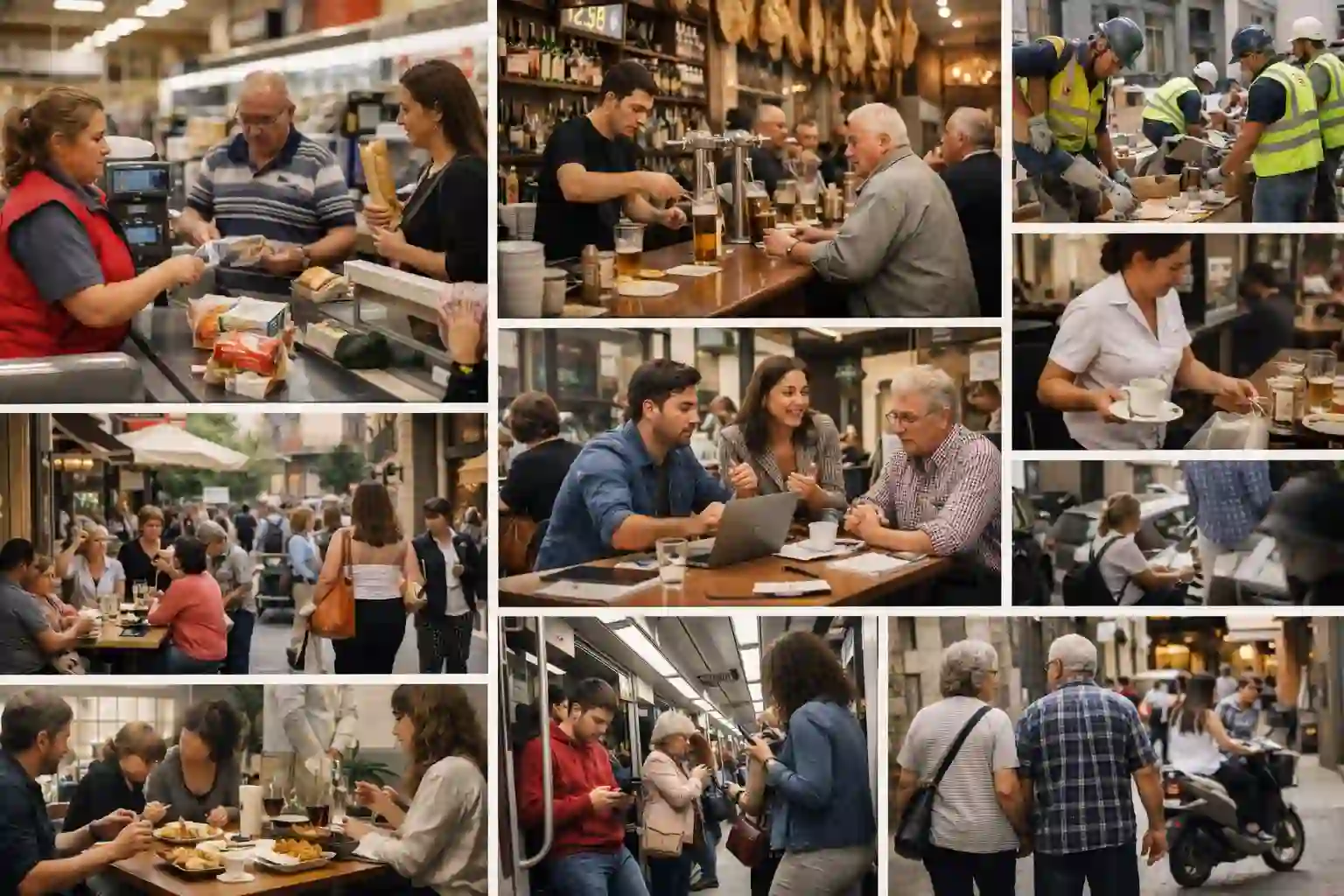
At a Glance
Spanish culture is a rich blend of Roman, Moorish, and Christian influences spanning over 2,000 years. Key elements: Flamenco (UNESCO Heritage), tapas and late dining culture, siesta lifestyle, vibrant festivals year-round, 17 regional identities with distinct languages and traditions. Spain celebrates 3,000+ festivals annually! Perfect for: Culture enthusiasts, food lovers, festival seekers. Best experienced: Spring festivals, summer beaches, fall harvest celebrations.
Spanish Culture — Complete Guide to Traditions & Lifestyle
Table of Contents
Spanish Culture Overview
Spanish culture is one of the richest and most diverse in Europe, shaped by over 2,000 years of history. From Roman aqueducts to Moorish palaces, from medieval cathedrals to modernist masterpieces, Spain's cultural heritage reflects countless influences that have merged into something uniquely Spanish.
At its heart, Spanish culture is about passion, family, and celebration. Whether it's the intensity of flamenco, the joy of festivals, or the leisurely pace of Sunday lunch with extended family, Spaniards approach life with gusto. The Spanish concept of "vivir con pasión" (living with passion) isn't just a phrase — it's a way of life.
Key Cultural Values
- Family First: Family bonds are central to Spanish society. Sunday lunches with extended family are sacred, and multiple generations often live in close proximity
- Social Connection: Spaniards prioritize relationships over schedules. Meeting friends for tapas or coffee is never rushed
- Work to Live: Unlike work-obsessed cultures, Spaniards work to enable life, not the other way around. Long lunches and late dinners are non-negotiable
- Celebration Culture: Any excuse for a fiesta! Spain celebrates over 3,000 festivals annually, from village patron saints to national holidays
- Regional Pride: Strong local identities coexist with Spanish national identity. Each region fiercely celebrates its unique traditions
Historical Influences
Spanish culture is a rich tapestry woven from diverse historical threads:
- Roman Legacy (218 BC - 5th century AD): Language foundation, infrastructure, legal traditions
- Moorish Period (711-1492): Architecture, agriculture, science, mathematics — the Alhambra in Granada exemplifies this influence
- Catholic Reconquista: Religious traditions, Semana Santa processions, cathedral construction
- Golden Age (16th-17th century): Literature, art, global empire — works of Cervantes, Velázquez
- Modern Era: Democratic transition, EU membership, global cultural influence
Traditions & Festivals
Spain's festival calendar is packed year-round. Every town has its own patron saint celebration, and major festivals attract millions of visitors. These aren't tourist shows — they're living traditions deeply rooted in local identity. Learn more about Spanish traditions and festivals.
Major National Festivals
Semana Santa (Holy Week): The week before Easter features elaborate religious processions throughout Spain. Seville hosts the most famous celebrations with 60+ brotherhood processions carrying ornate floats through streets lined with thousands of spectators.
Feria de Abril (Seville): Two weeks after Easter, Seville transforms into a massive fair with over 1,000 casetas (decorated tents), flamenco dancing, traditional dress, and celebration from afternoon until dawn for an entire week.
San Fermín (Pamplona): The famous Running of the Bulls (July 7-14) is actually part of a larger festival honoring the city's patron saint, featuring concerts, fireworks, traditional dances, and 24-hour street parties.
La Tomatina (Buñol): The world's largest food fight! On the last Wednesday of August, 20,000+ people throw 120 tons of overripe tomatoes at each other in this small Valencian town — pure, messy joy.
Las Fallas (Valencia): March 15-19 features enormous satirical sculptures (fallas) built throughout the year, displayed across Valencia, then ceremonially burned on the final night. UNESCO World Heritage tradition!
Carnival de Cádiz: Cádiz hosts one of Spain's most famous carnivals with satirical singing groups (chirigotas), costumes, and 11 days of celebration. Also UNESCO Heritage!
Daily Traditions
- Siesta: Traditional afternoon rest (2-5 PM), though less common in big cities now. Shops close, streets empty, life pauses
- Paseo: Evening stroll, especially on weekends. Families dress up and walk through town squares and promenades
- Sobremesa: Lingering conversation after meals — sometimes longer than the meal itself! Rushing from the table is considered rude
- Sunday Lunch: Extended family gathers for a multi-hour feast, the week's most important social event
- Verbenas: Outdoor summer festivals in neighborhoods with music, dancing, food stalls
Food Culture & Gastronomy
Spanish food culture is about far more than eating — it's a social ritual, an art form, and a daily celebration. Spain's cuisine varies dramatically by region, but certain principles unite it all: fresh local ingredients, seasonal cooking, social dining, and taking time to enjoy meals.
Meal Structure & Timing
- Desayuno (Breakfast, 8-9 AM): Light — coffee with tostada con tomate (toast with tomato) or churros con chocolate
- Almuerzo (Mid-morning snack, 11 AM): Bocadillo (sandwich) or pincho in a bar
- Comida (Lunch, 2-4 PM): Main meal of the day! 2-3 courses, often menu del día (set lunch) in restaurants
- Merienda (Afternoon snack, 5-6 PM): Coffee and pastry, especially for children
- Cena (Dinner, 9-11 PM): Lighter than lunch, often tapas or simple dishes
Tapas Culture
Going for tapas isn't just eating — it's a social event called "ir de tapas" (going out for tapas). Groups move from bar to bar, having one or two small plates and a drink at each, standing at the bar, chatting loudly. It's about the experience, not filling up.
Classic tapas: Jamón ibérico (Iberian ham), patatas bravas (fried potatoes with spicy sauce), gambas al ajillo (garlic shrimp), croquetas, tortilla española (potato omelet), pulpo a la gallega (Galician octopus), pimientos de padrón (fried peppers).
Regional Specialties
- Andalusia: Gazpacho, pescaíto frito (fried fish), salmorejo. Discover more in Andalusia
- Catalonia: Pa amb tomàquet, escalivada, crema catalana. Explore Barcelona's food scene
- Basque Country: Pintxos, marmitako, idiazabal cheese — considered Spain's culinary capital
- Valencia: Paella valenciana (the original!), fideuà, horchata
- Galicia: Pulpo, empanadas, Albariño wine, seafood galore
- Madrid: Cocido madrileño, callos, bocadillo de calamares. Visit Madrid for authentic tastes
Wine & Drinks
Spain is the world's largest wine producer by area! Rioja and Ribera del Duero reds are world-famous, while sherry from Jerez, Cava from Catalonia, and Albariño from Galicia showcase regional diversity. Tinto de verano (red wine with lemonade) and sangría are summer staples.
Arts & Architecture
Spanish art and architecture have profoundly influenced Western culture. From prehistoric cave paintings to contemporary avant-garde, Spain's artistic legacy is unmatched.
Architectural Masterpieces
Moorish Architecture: The Alhambra in Granada represents the pinnacle of Islamic architecture in Europe — intricate geometric patterns, stunning courtyards, and gardens. Seville's Royal Alcázar and Córdoba's Mezquita showcase similar beauty.
Gaudí's Barcelona: Antoni Gaudí revolutionized architecture with organic forms inspired by nature. His masterpiece Sagrada Família remains unfinished after 140+ years. Park Güell and Casa Batlló showcase his fantastical vision.
Gothic & Renaissance: Seville Cathedral (world's largest Gothic cathedral), Toledo's medieval streets, Salamanca's golden sandstone plazas.
Painting & Visual Arts
- El Greco (1541-1614): Byzantine-influenced elongated figures, mystical religious scenes
- Diego Velázquez (1599-1660): Court painter, "Las Meninas" masterpiece at Prado Museum
- Francisco Goya (1746-1828): From royal portraits to dark "Black Paintings," chronicler of Spanish history
- Pablo Picasso (1881-1973): Co-founder of Cubism, "Guernica" at Reina Sofía Museum. See Picasso Museum in Málaga
- Salvador Dalí (1904-1989): Surrealist icon, melting clocks, bizarre dreamscapes
- Joan Miró (1893-1983): Abstract colorful works. Visit Fundació Joan Miró in Barcelona
Literature
Miguel de Cervantes wrote "Don Quixote" (1605), considered the first modern novel. Spain's Golden Age produced Lope de Vega, Calderón de la Barca. 20th century brought Nobel Prize winners: Juan Ramón Jiménez, Vicente Aleixandre, Camilo José Cela.
Music & Dance
Flamenco — The Soul of Andalusia
Flamenco is far more than entertainment — it's a profound artistic expression of joy, sorrow, passion, and struggle. Recognized as UNESCO Intangible Cultural Heritage, flamenco combines three elements:
- Cante (song): Emotional, raw vocals often about love, death, suffering
- Baile (dance): Intense footwork (zapateado), dramatic arm movements, powerful presence
- Toque (guitar): Complex fingerstyle technique, rhythmic foundation
Best experienced live in intimate tablaos in Seville, Granada, or Málaga. The passion and duende (spirit) must be felt in person.
Regional Music
- Sevillanas: Folk dances from Seville, performed at Feria de Abril
- Sardana: Catalonian circle dance, symbol of Catalan identity
- Jota: Energetic couples dance from Aragon
- Muñeira: Celtic-influenced music from Galicia, bagpipes featured
- Chotis: Traditional Madrid couples dance
Contemporary Music
Spain has vibrant pop, rock, and electronic scenes. Latin influences from Spain's connection to Latin America create unique fusion styles. Summer music festivals attract international artists and millions of attendees.
Regional Diversity
Spain isn't monolithic — it's a nation of nations with 17 autonomous communities, each with distinct identity, and some with their own languages. This diversity is Spain's greatest cultural wealth.
Major Cultural Regions
Andalusia: Quintessential Spanish image — flamenco, bullfighting, whitewashed villages, Moorish palaces, passionate lifestyle. Explore Andalusia's cities from Seville to Málaga.
Catalonia: Proud distinct identity with Catalan language, unique traditions like Castells (human towers), culinary innovation, Mediterranean culture. Barcelona is the cultural capital.
Basque Country: Unique Basque language (unrelated to any other!), world-renowned cuisine, strong cultural identity, green landscapes contrasting with Spain's south.
Galicia: Celtic heritage, bagpipe music, lush green landscape, seafood culture, Santiago de Compostela pilgrimage destination.
Valencia: Birthplace of paella, Las Fallas festival, Mediterranean warmth, futuristic City of Arts and Sciences.
Madrid: Cosmopolitan capital, central Castilian culture, world-class museums, vibrant nightlife. Discover Madrid's cultural scene.
Balearic Islands: Mediterranean island lifestyle, mix of Spanish and unique island traditions. Explore Ibiza, Mallorca, Menorca.
Languages of Spain
- Spanish/Castellano: Official language nationwide, 460+ million speakers worldwide
- Catalan: Catalonia, Valencia (Valencian variant), Balearic Islands
- Basque/Euskara: Basque Country and Navarre — pre-Indo-European language!
- Galician: Galicia — similar to Portuguese
- Aranese: Val d'Aran valley — Occitan language variant
Lifestyle & Daily Life
The Spanish Schedule
Spanish daily rhythm differs significantly from northern Europe or North America. Everything happens later:
- Work hours: Typically 9 AM-2 PM, break, then 5-8 PM (though changing in cities)
- Lunch: 2-4 PM, main meal, sometimes 2-hour break
- Dinner: Rarely before 9 PM, often 10-11 PM
- Going out: Bars fill around 11 PM, clubs don't start until 1-2 AM
- Late nights: Weekend nights out regularly last until 6-7 AM
Social Customs
Greetings: Two kisses (cheek to cheek, starting right) for friends and family. Handshakes for formal situations. Strangers might get a single kiss after warm conversation.
Punctuality: Being 10-15 minutes "late" to social gatherings is normal and expected. Only business meetings demand strict punctuality.
Loudness: Spaniards talk loudly — it's not arguing, it's normal conversation! Bars and restaurants are noisy, animated spaces.
Personal space: Closer than Anglo-Saxon cultures. Conversations happen at closer distance, touching while talking is normal.
Family Life
Family is the cornerstone of Spanish society. Multiple generations often live in the same neighborhood, sharing meals regularly. Sunday lunch with extended family is sacred — 3-4 hours of eating, drinking, talking, children playing. Grandparents actively involved in childcare while parents work.
Outdoor Living
Spaniards live outdoors whenever weather permits. Terrazas (outdoor café tables) fill with people having coffee, beer, meals. Parks bustle with families, squares host impromptu gatherings. This outdoor culture reflects Spain's social, communal nature.
Language & Communication
Spanish Language
Spanish (Español/Castellano) is the world's second-most spoken native language with 460+ million speakers. It's relatively easy to learn for English speakers, with consistent pronunciation and logical grammar rules.
Learning even basic Spanish dramatically enhances cultural understanding and connection with locals. Spaniards genuinely appreciate efforts to speak their language, even imperfectly. Consider taking Spanish lessons to deepen your cultural experience.
Communication Style
- Direct but warm: Spaniards say what they think but with warmth and humor
- Expressive: Lots of hand gestures, facial expressions, emotional language
- Interruptions: Talking over each other is normal, not rude — shows engagement!
- Humor: Sarcasm, wordplay, and joking are constant in conversation
- Topics: Nothing off-limits — politics, religion, personal life all discussed openly
Essential Phrases
- Hola — Hello
- Gracias / De nada — Thank you / You're welcome
- Por favor — Please
- ¿Cómo estás? — How are you?
- ¡Buen provecho! — Enjoy your meal!
- ¡Salud! — Cheers!
- La cuenta, por favor — The check, please
Explore more about learning Spanish to enhance your cultural journey.
Experience Spanish Culture — Book Cultural Tours
Ready to Experience Spanish Culture?
From passionate flamenco to vibrant festivals, from tapas culture to architectural masterpieces — Spain's cultural richness awaits. Immerse yourself in traditions that have evolved over millennia and discover why Spanish culture captivates millions of visitors each year.